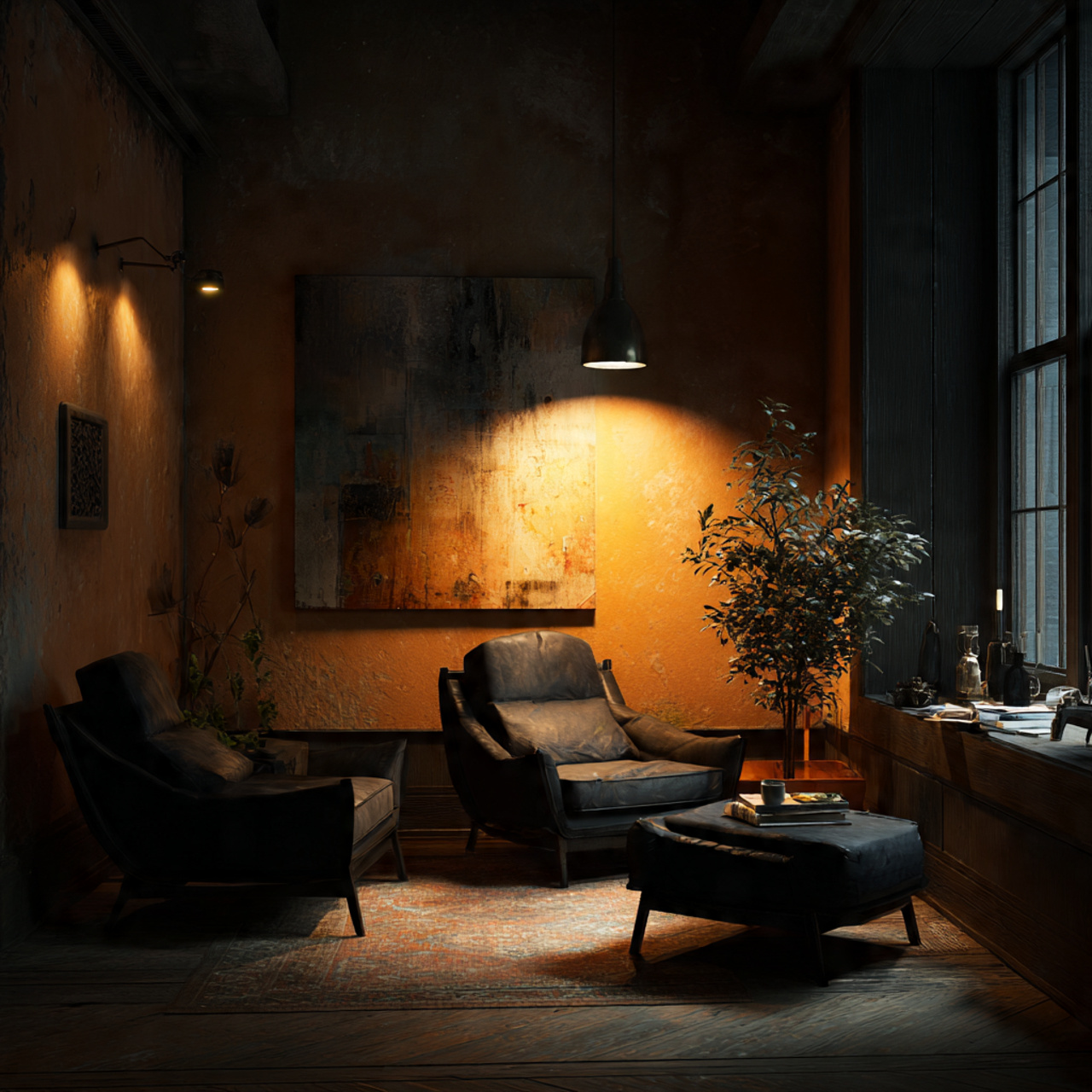
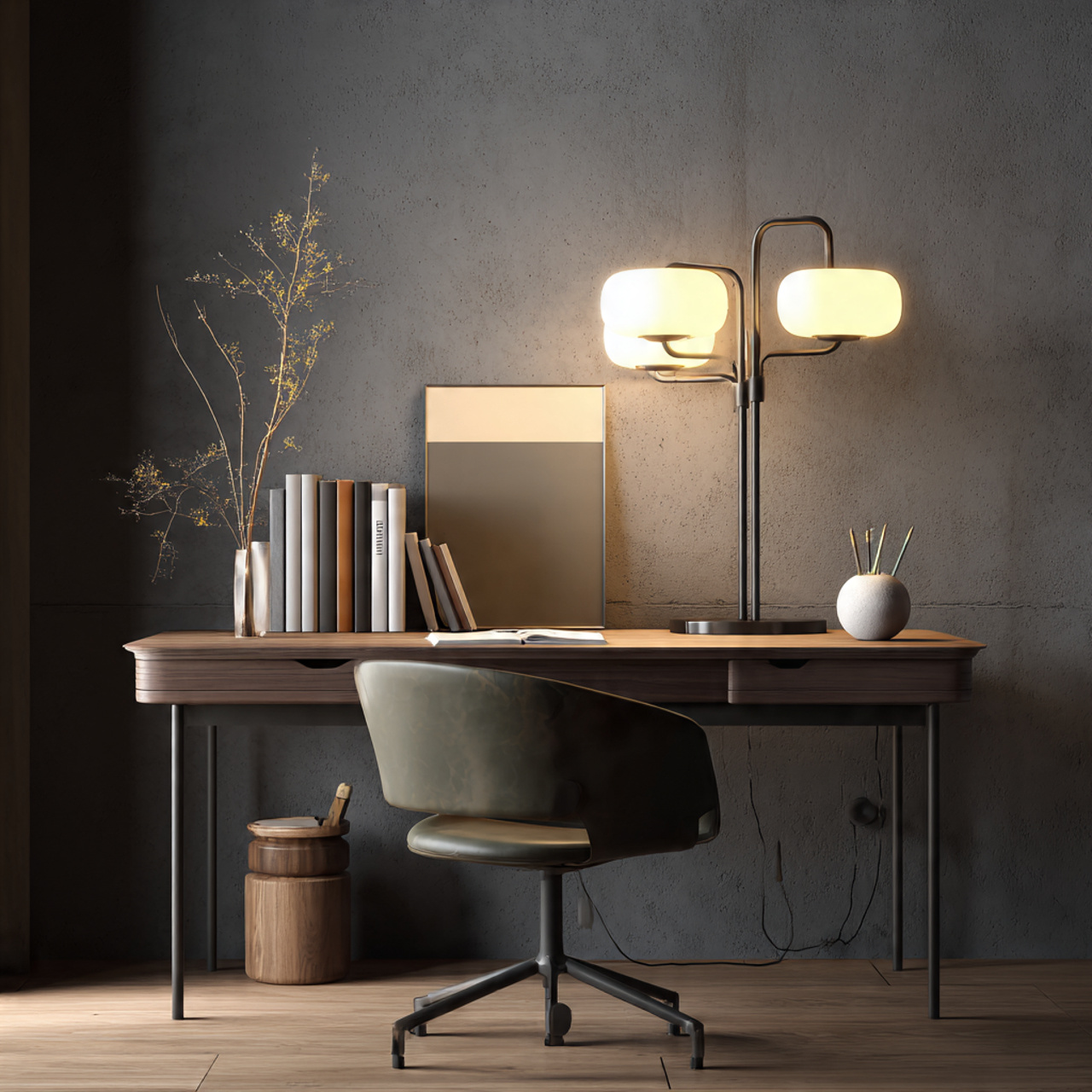
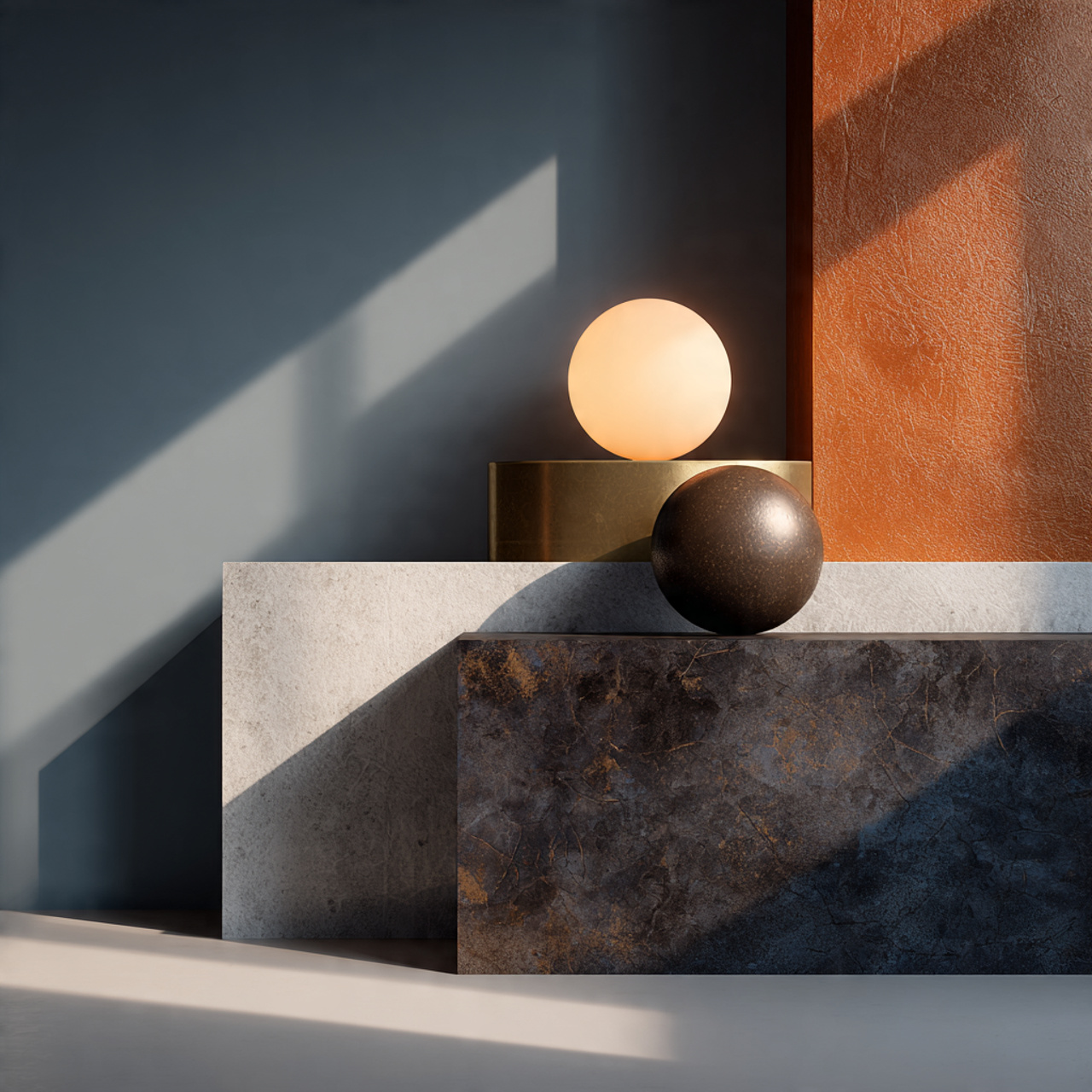
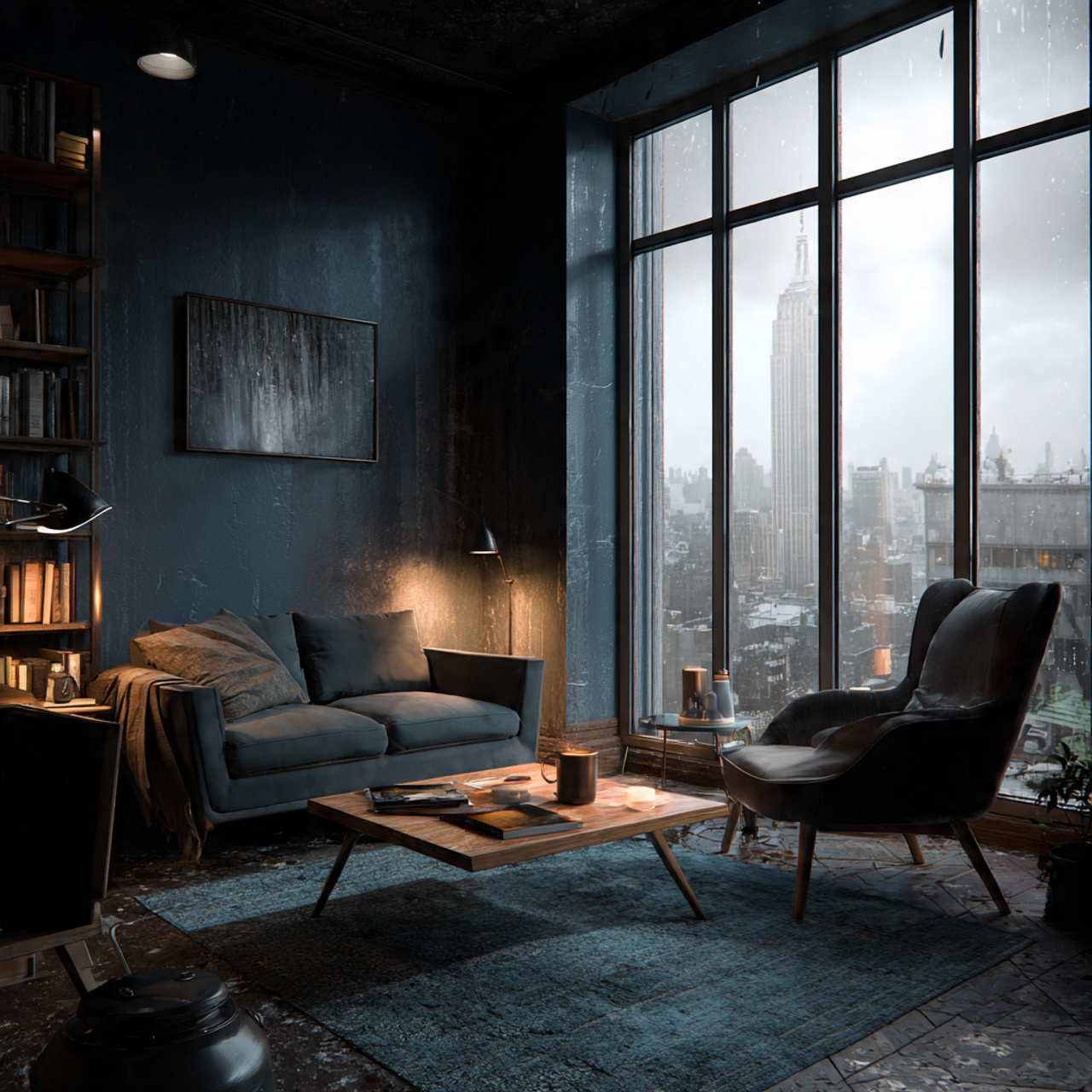
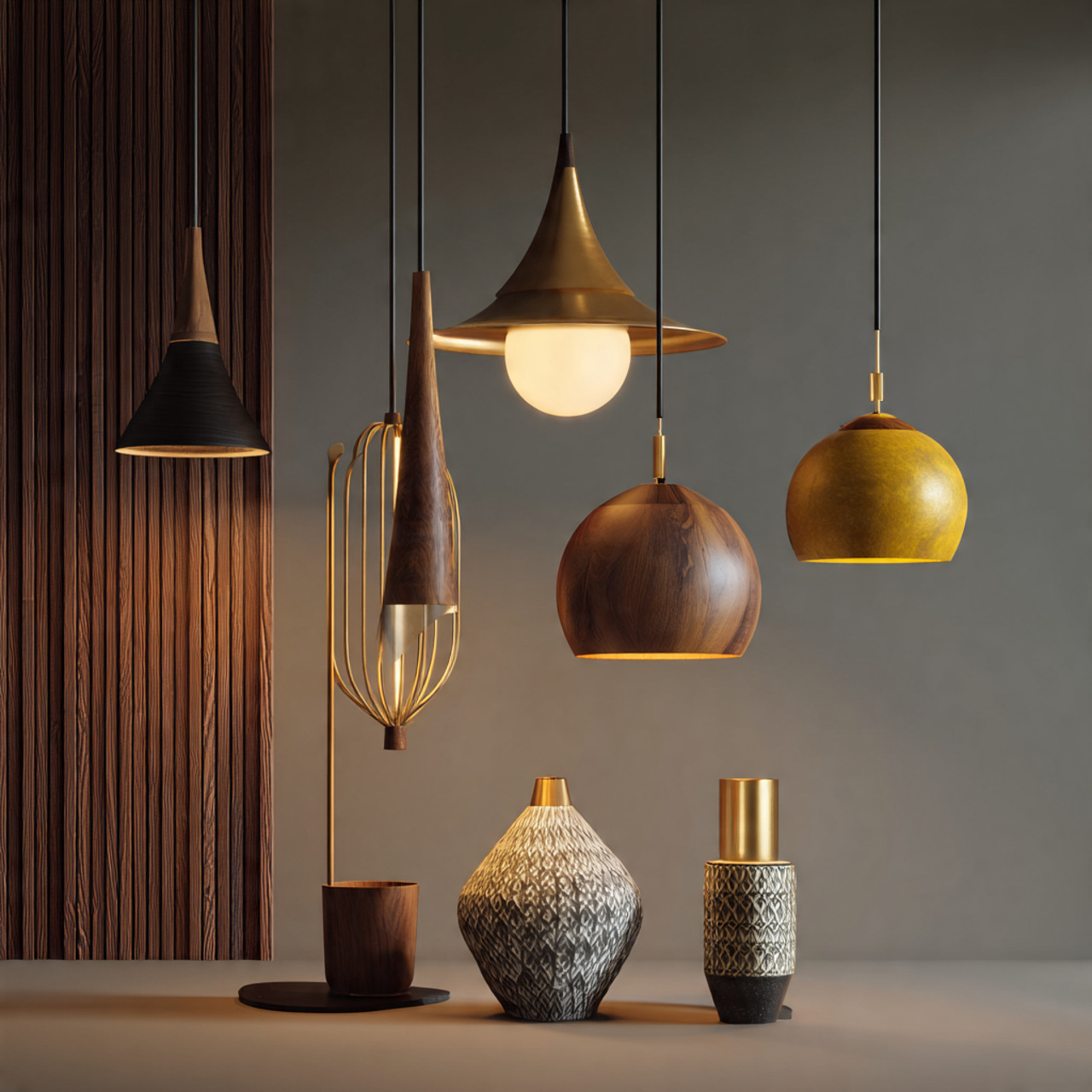
Lighting & Lamps
Designed for Mood and Function
Explore lighting and lamp ideas that balance brightness, warmth, and placement—built to support daily living without glare or clutter.
Light Your Space the Right Way
Good lighting combines layers and placement to support how each room is used. Use this snapshot to choose lighting that feels balanced and comfortable.
Room Type
Living rooms need layered ambient light, while kitchens and workspaces require focused task lighting.
Lighting Layers
Combine ambient, task, and accent lighting to avoid flat or harsh illumination.
Brightness Control
Dimmers and warm bulbs help adjust light levels for different times of day.
Placement Reality
Lights should be placed where activities happen, not just where fixtures look good.
Lighting Foundations That Always Feel Right
Before choosing fixtures or styles, get these lighting fundamentals right. They determine comfort, visibility, and how a space feels throughout the day.
Layering & Balance
- Use ambient light to set overall brightness.
- Add task lighting where activities occur.
- Use accent lighting to create depth, not glare.
Rule: One light source is never enough.
Glare & Comfort
- Avoid exposed bulbs at eye level.
- Use shades or diffusers to soften light.
- Position lights to bounce, not blast.
Rule: If it hurts the eyes, the lighting is wrong.
Color Temperature
- Warm light feels calm in living spaces.
- Neutral light supports focus in work areas.
- Keep color temperature consistent within a room.
Rule: Mixed temperatures break visual comfort.
Choose a Lighting Approach That Feels Comfortable
These lighting approaches focus on balance, warmth, and usability. Choose the setup that supports how you use each space from morning to night
Ambient-First
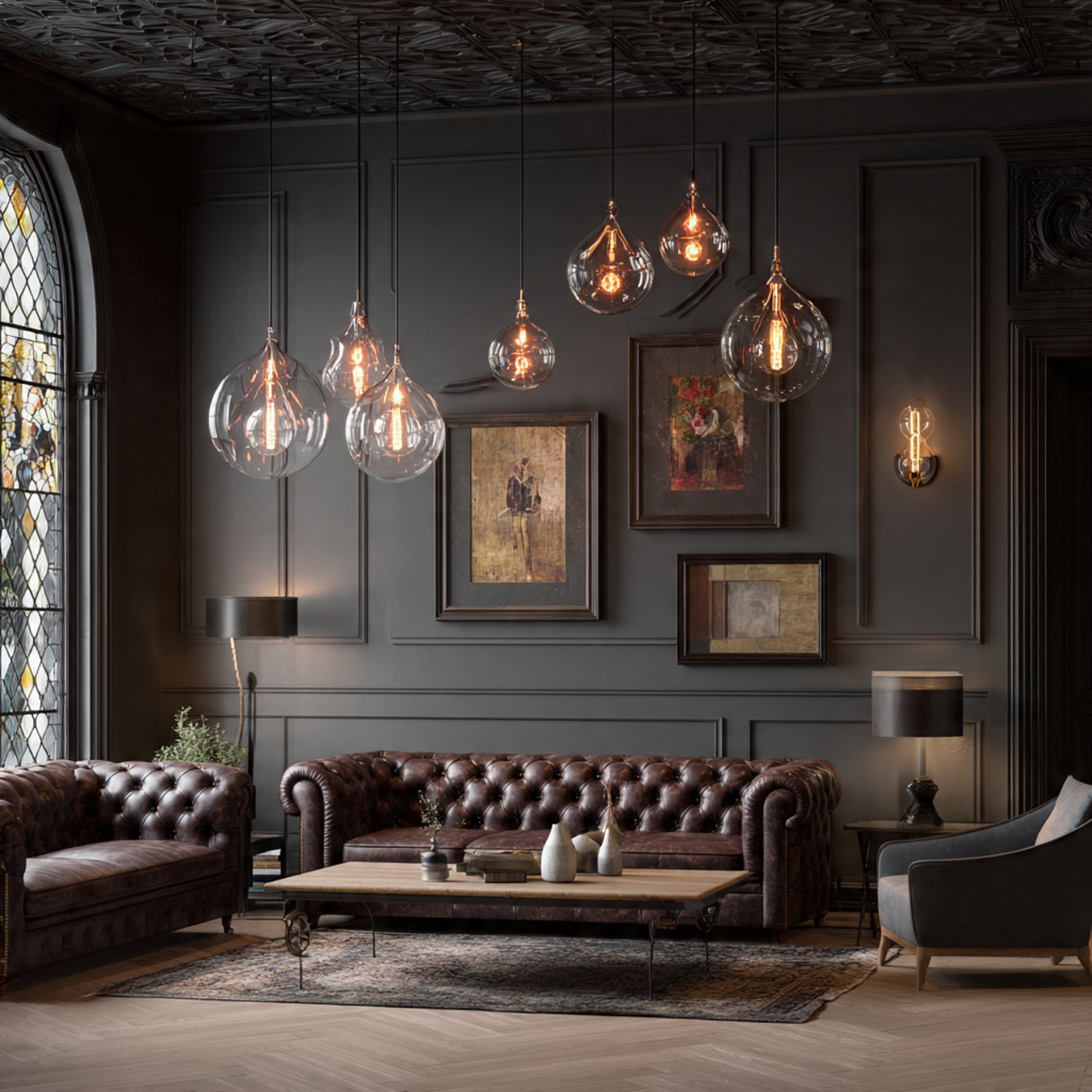
Soft, even ambient light creates a calm base that makes rooms feel welcoming.
Best for:
Living rooms, bedrooms, and relaxed spaces.
Task-Focused
Focused lighting supports reading, cooking, and work without eye strain.
Best for:
Kitchens, home offices, and study areas.
Layered & Balanced
Ambient, task, and accent lighting work together for flexibility and comfort.
Best for:
Multi-use rooms and open layouts.
Accent & Atmospheric
Accent lights add depth and warmth without overpowering the space.
Best for:
Evening ambiance and feature areas.
How to Choose Lighting That Feels Good to Live With
The right lighting supports comfort and visibility without glare. Use this guide to choose bulbs, lamps, and controls that feel balanced day and night.
Bulbs & Brightness
Brightness and color temperature determine comfort more than fixture style.
- Look for:
- Warm to neutral bulbs for living spaces
- Adequate lumens based on room size
- Consistent color temperature within a room
Avoid:
Cool, harsh bulbs in relaxing areas
Mixing bulb temperatures in one space
Shades & Diffusers
Shades soften light and reduce glare.
- Look for:
- Fabric, frosted, or opaque shades
- Diffused light output
- Shades that hide bulbs from direct view
Avoid:
Exposed bulbs at eye level
Clear shades that create glare
Lamp Types & Placement
Different lamp types serve different lighting needs
- Look for:
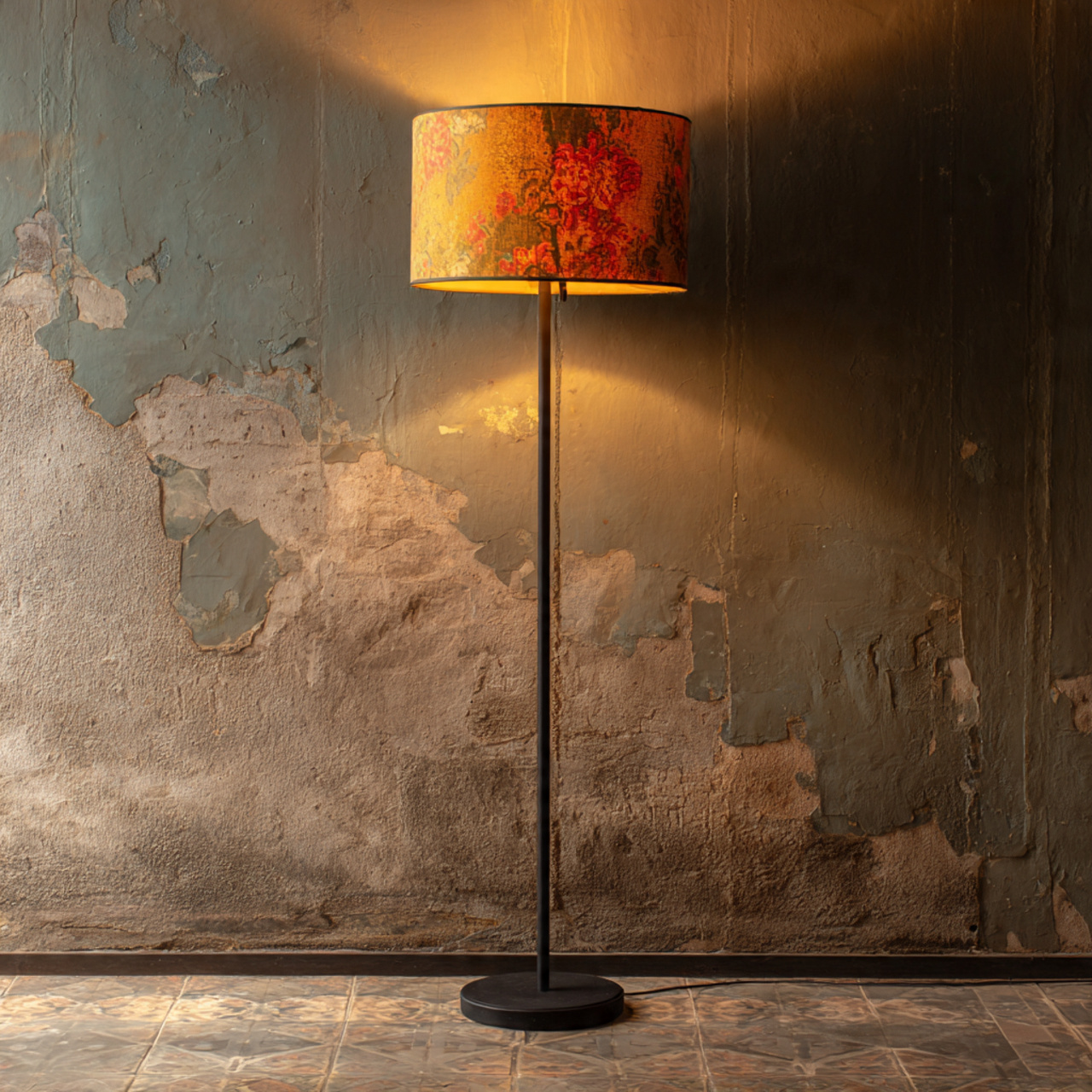
- Floor lamps for ambient fill
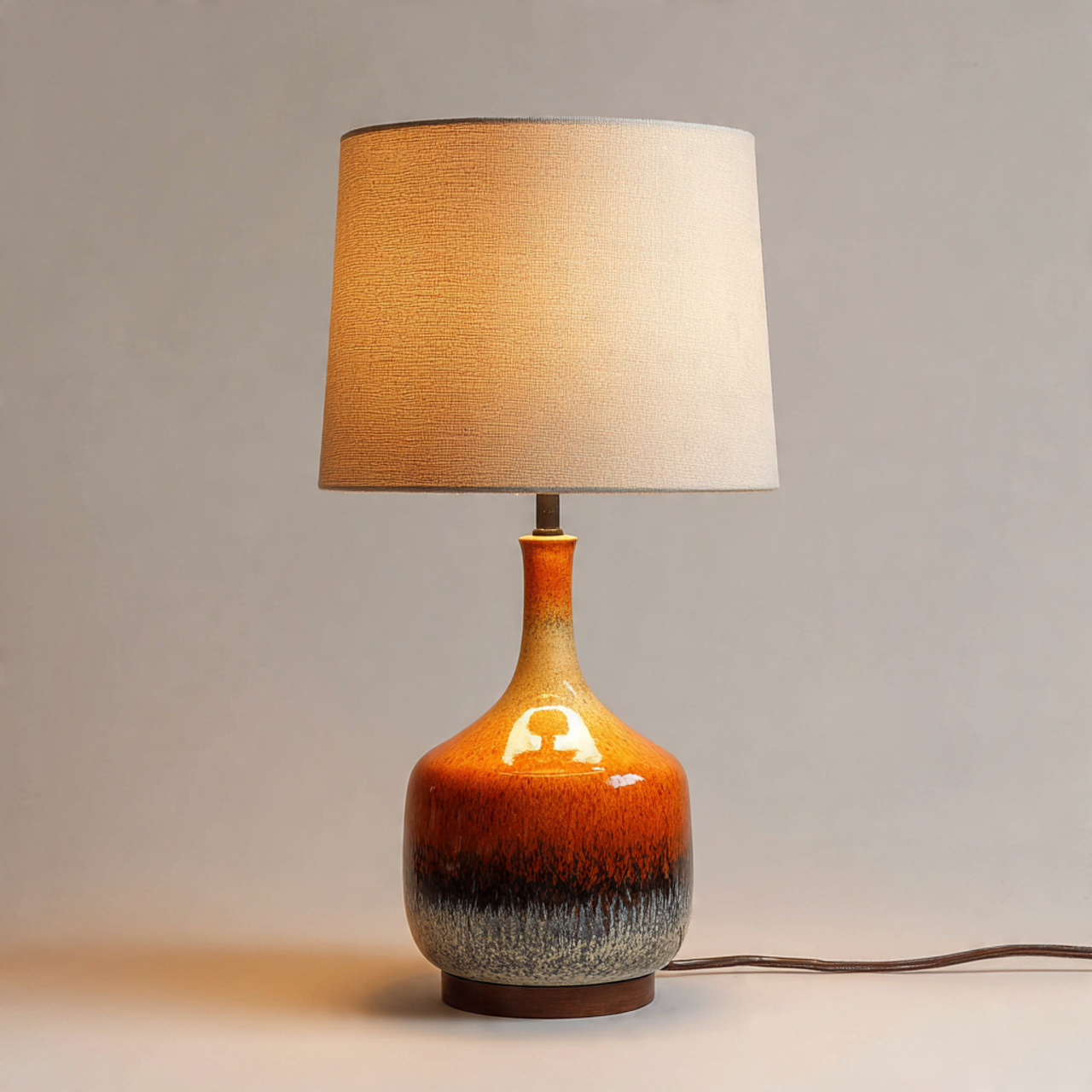
- Table lamps for task lighting
- Floor lamps for ambient fill
Avoid:
One lamp trying to do everything
Poorly placed lights that cast shadows
Controls & Adjustability
Control options make lighting adaptable.
- Look for:
- Dimmers for brightness control
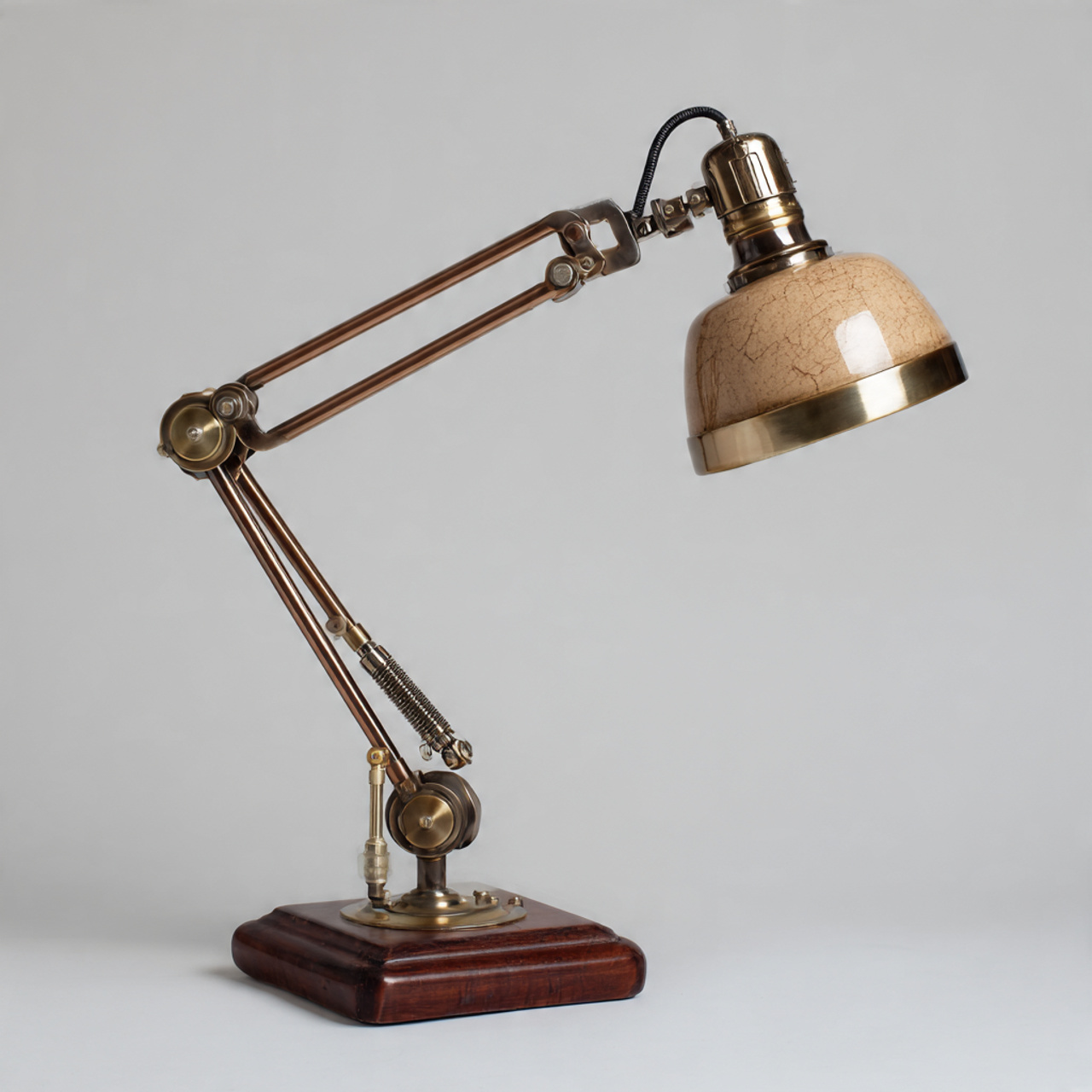
- Adjustable heads or arms
- Multiple switches for layered lighting
Avoid:
Fixed, overly bright setups
No way to adjust light levels
Ravnora Curated Lighting Picks
Lighting chosen for warmth, diffusion, and placement—designed to support daily living without glare or harsh shadows.
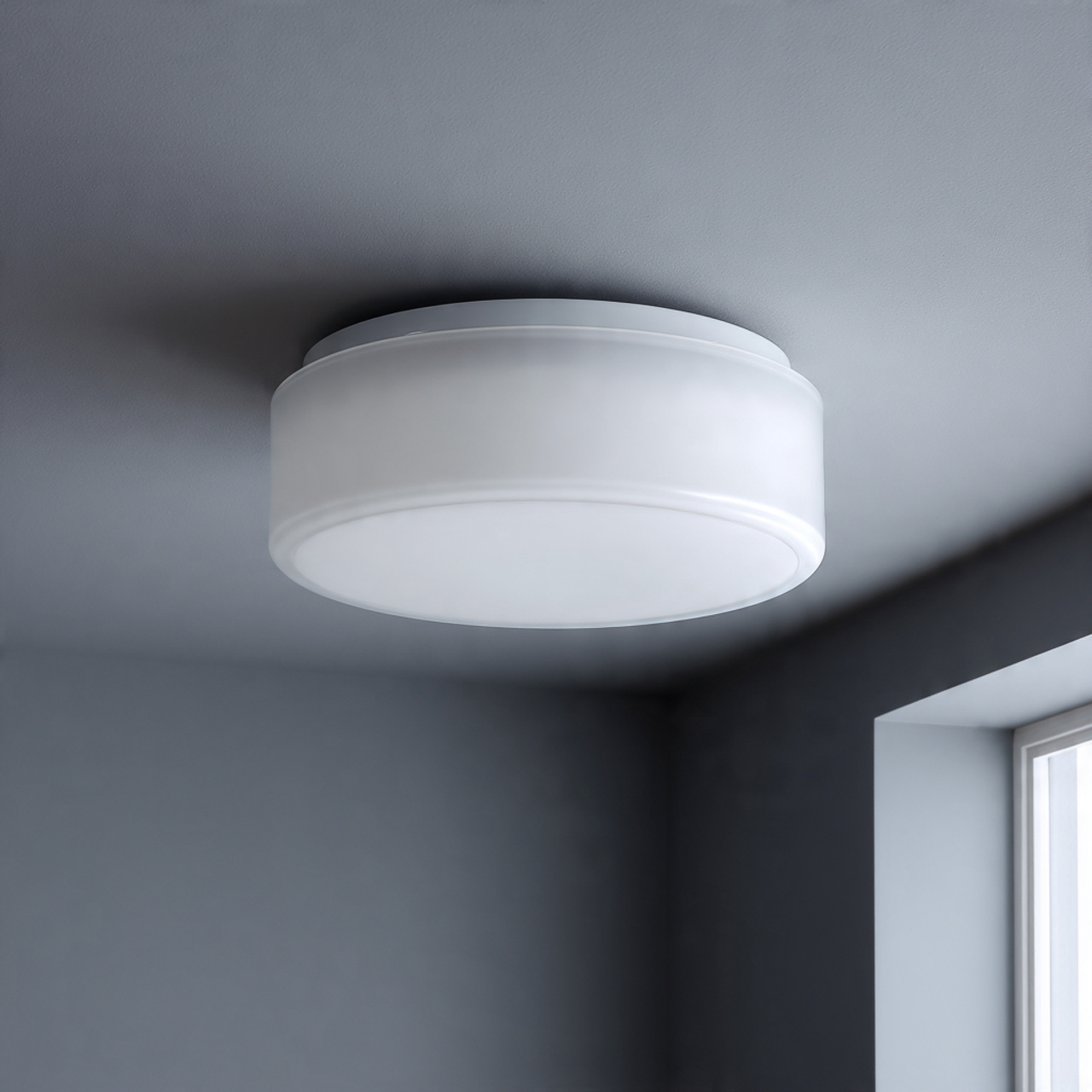
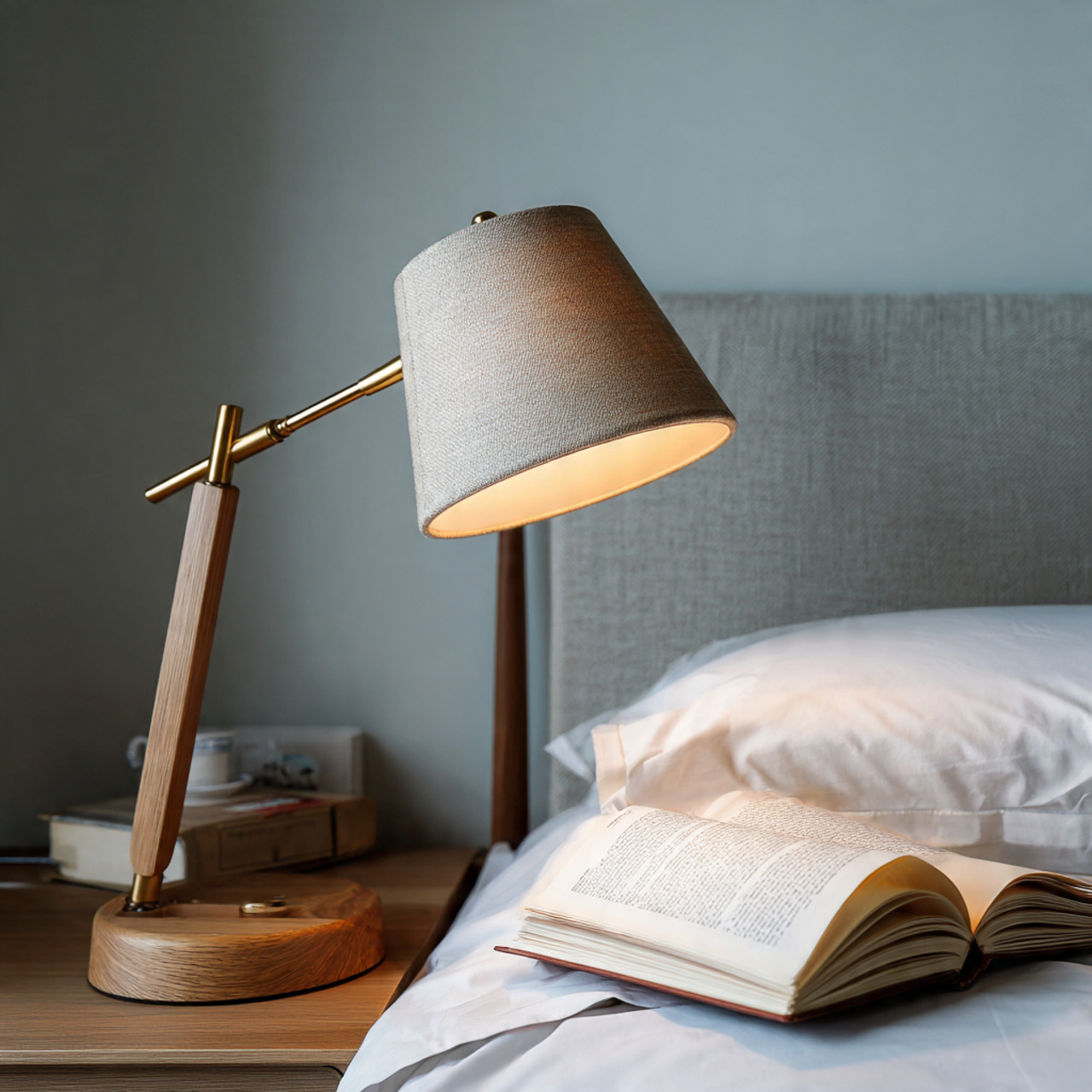
BLOCK 1 — AMBIENT LIGHTING
Create a soft, even base layer for comfort.
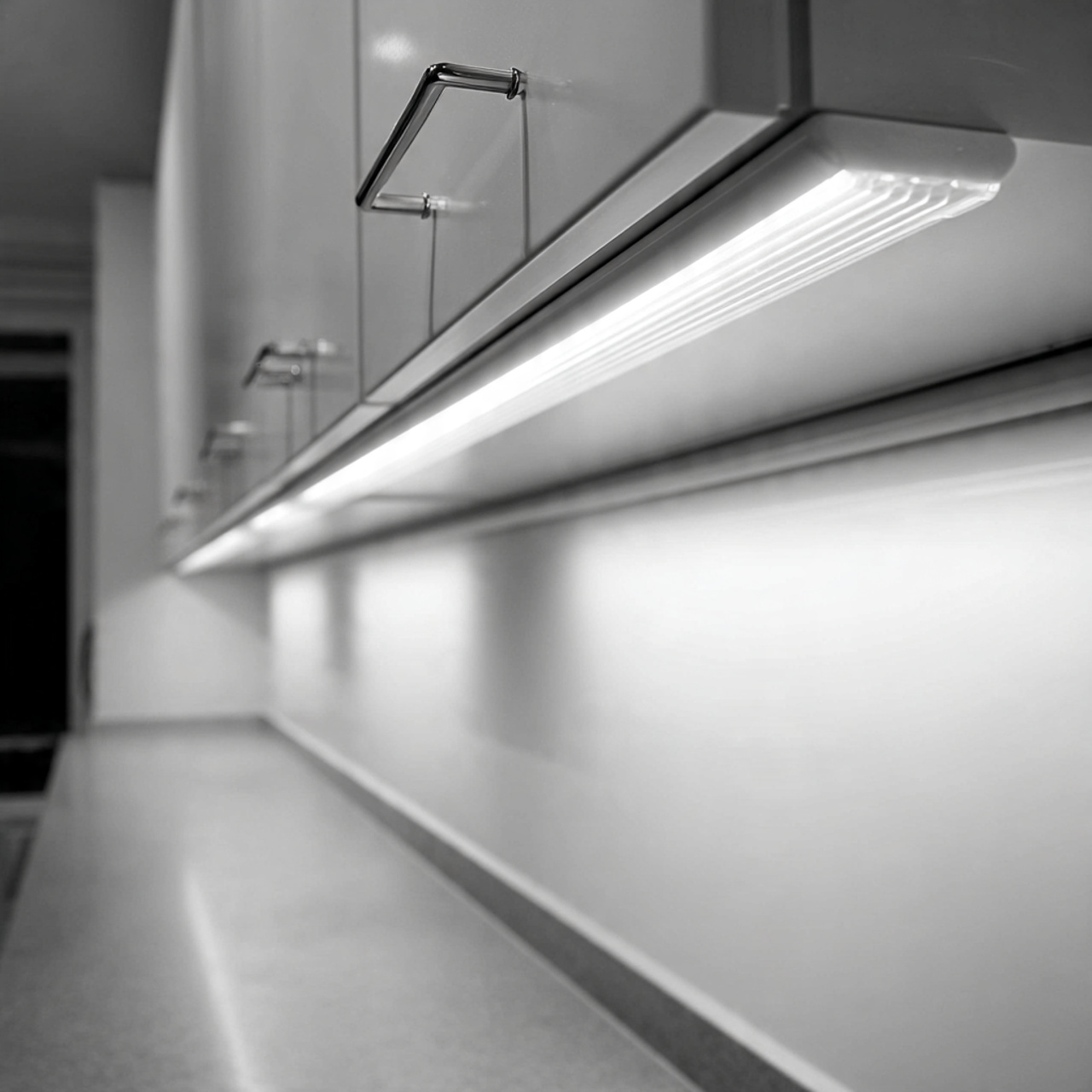
BLOCK 2 — TASK LIGHTING
Focused light where activities happen.
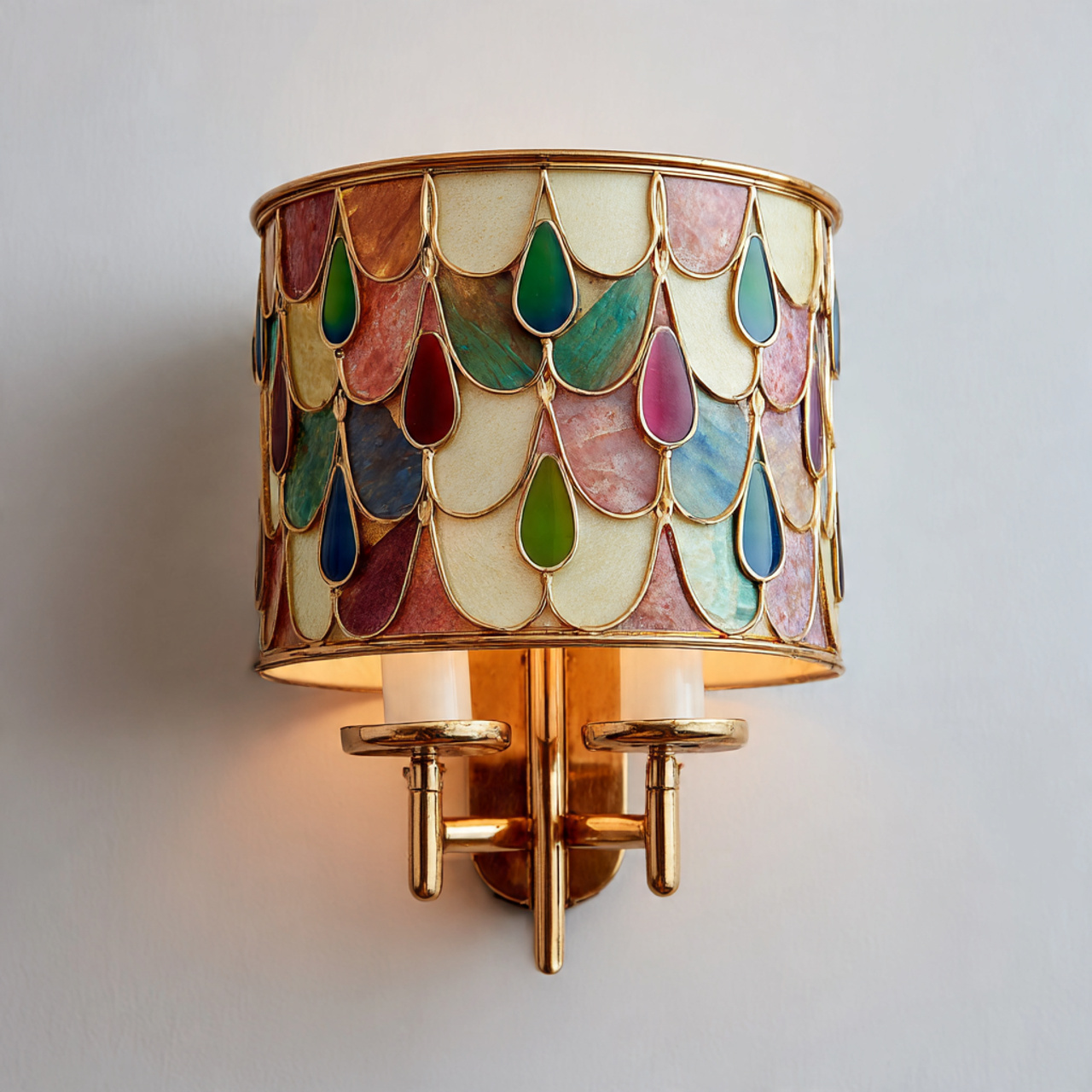
BLOCK 3 — ACCENT & ATMOSPHERE
Add depth and warmth without overpowering the room.
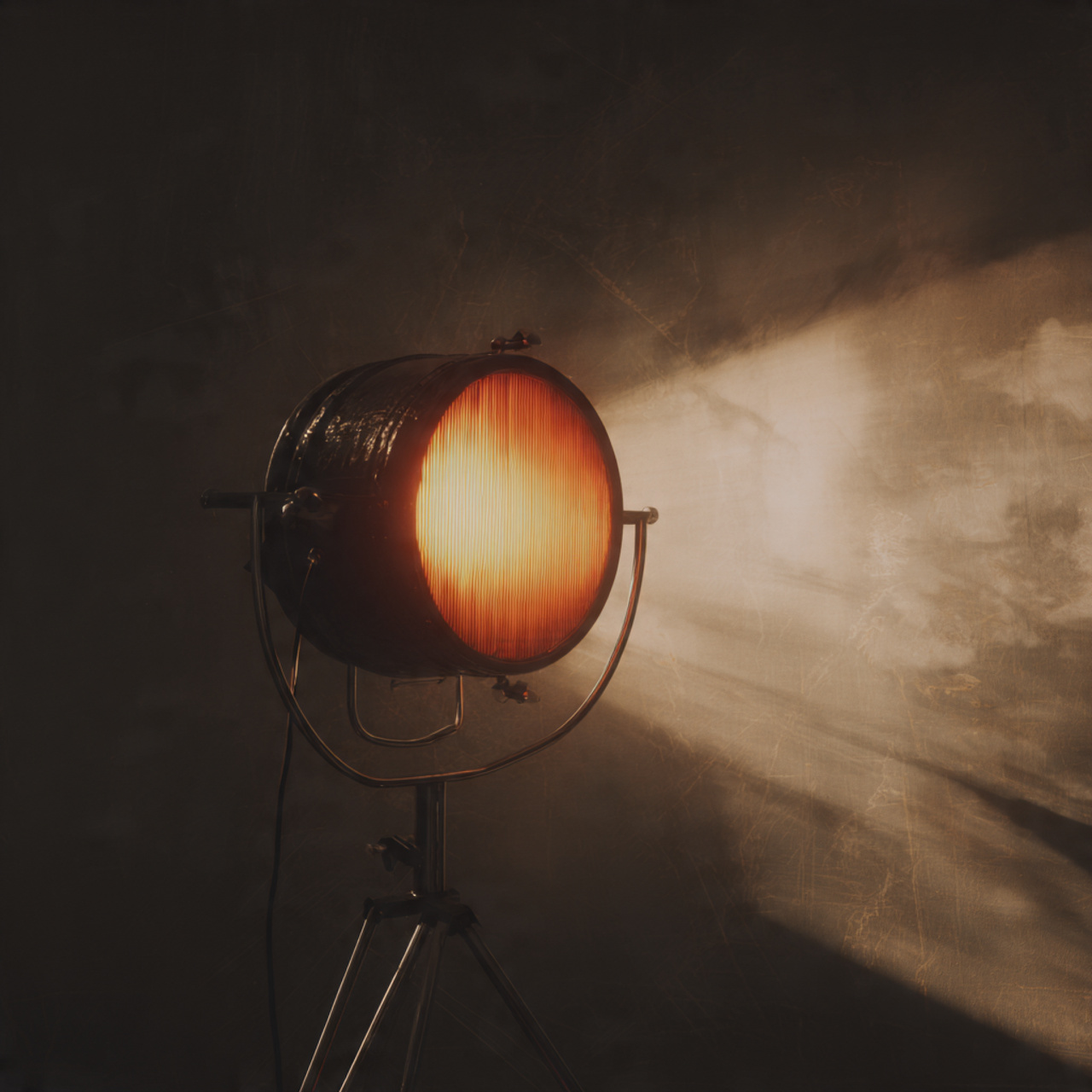
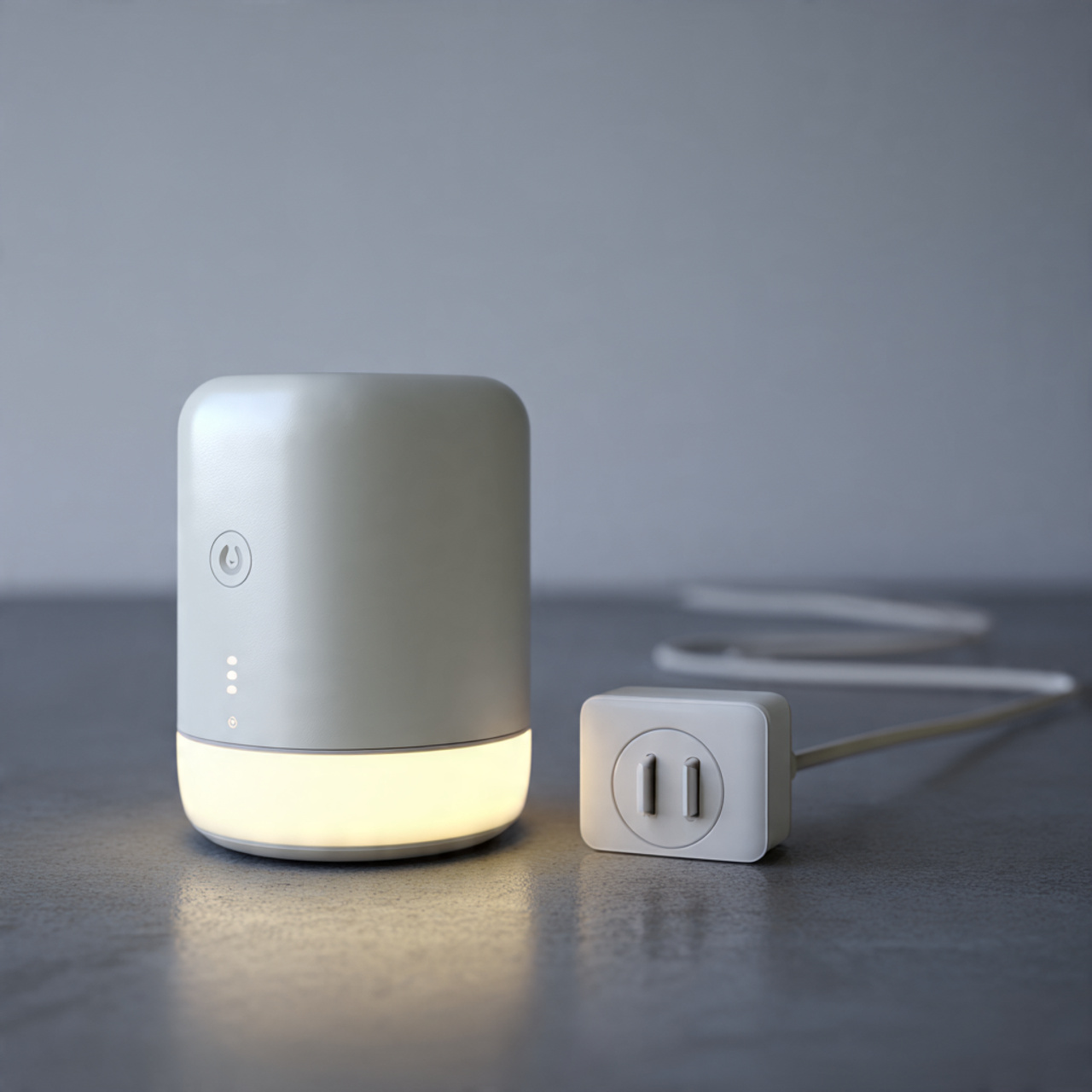
BLOCK 4 — CONTROLS & BULBS
Fine-tune light levels for different moments.
Common Lighting Mistakes to Avoid
Lighting discomfort usually comes from glare, poor placement, or missing layers. Avoid these mistakes to keep spaces comfortable.
❌ One overhead light only — flat, harsh illumination.
Fix: Add layers (ambient + task + accent).
❌ Exposed bulbs at eye level — glare and strain.
Fix: Use shades or diffusers.
❌ Mixed color temperatures — visual discomfort.
Fix: Keep temperatures consistent per room.
❌ Lights placed for looks only — poor usability.
Fix: Place lights where activities occur.
❌ No dimming control — inflexible brightness.
Fix: Add dimmers or adjustable lamps.
Save This Lighting Guide for Later
Lighting takes planning. Save this guide to revisit layering ideas, buying tips, and curated picks when refining your space.
Explore More Lighting-Related Ideas
Living Room Decor Ideas —
layered comfort
Explore →
Bedroom Decor Ideas —
calm, warm lighting
Explore →
Furniture & Shelving Ideas —
safe placement & balance
Explore →
Wall Decor & Mirrors —
reflect and amplify light
Explore →
Get Lighting Comfort Notes
Short guidance on glare-free setups, bulb choices, and layering—sent occasionally, no noise.
Lighting & Lamps FAQs
Q1: How many lights do I need in a room?
Enough to layer ambient, task, and accent lighting.
Q2: What color temperature is best for living spaces?
Warm to neutral (around 2700–3000K).
Q3: Do dimmers really help?
Yes, they improve comfort and flexibility.
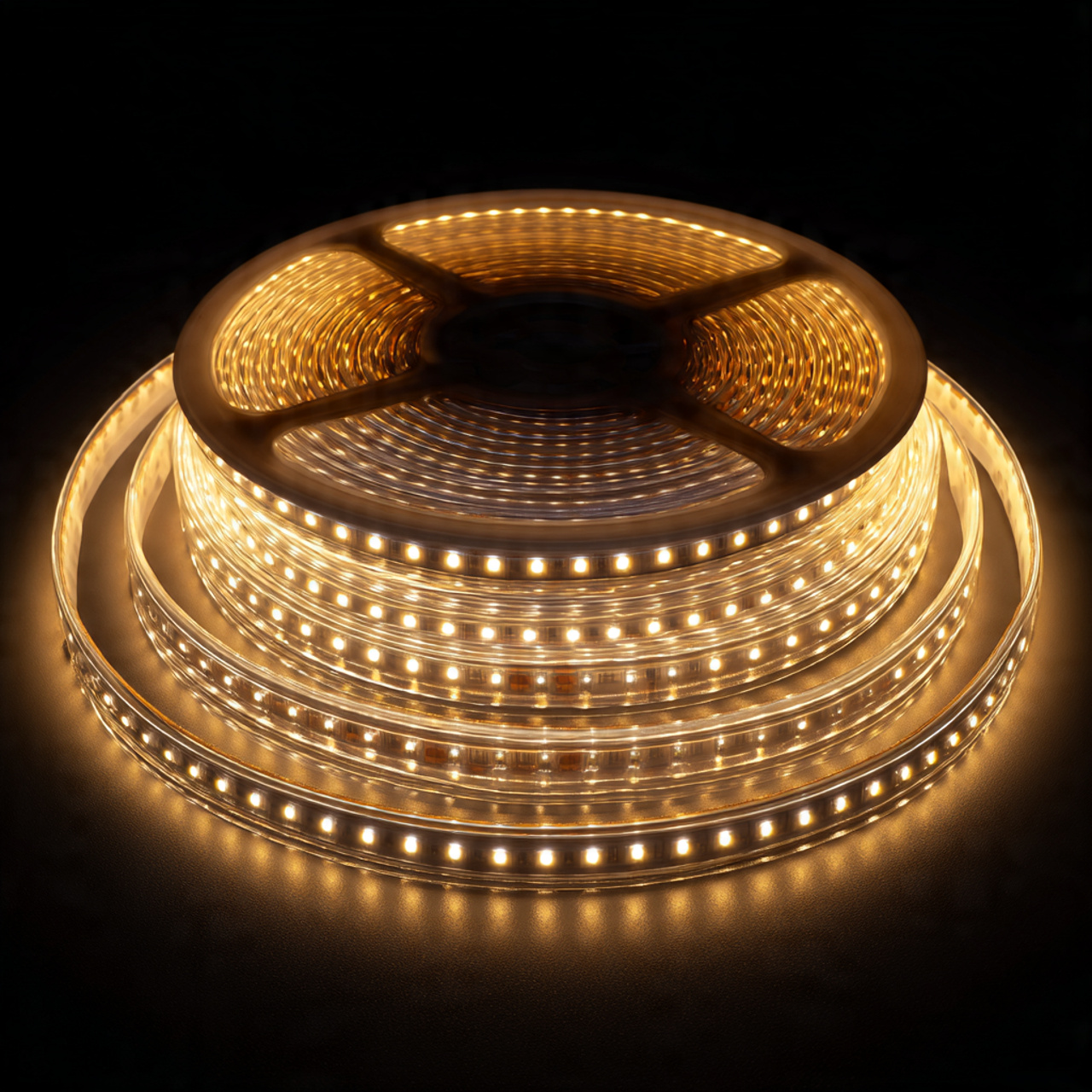
Q4: Are LED strips good for lighting?
Warm to neutral (around 2700–3000K).
Q5: How do I avoid glare?
Use shades, diffusers, and indirect placement.
Light Your Home for Comfort
Balanced lighting supports mood, visibility, and daily living.
Use this guide as a reference and adjust layers over time.