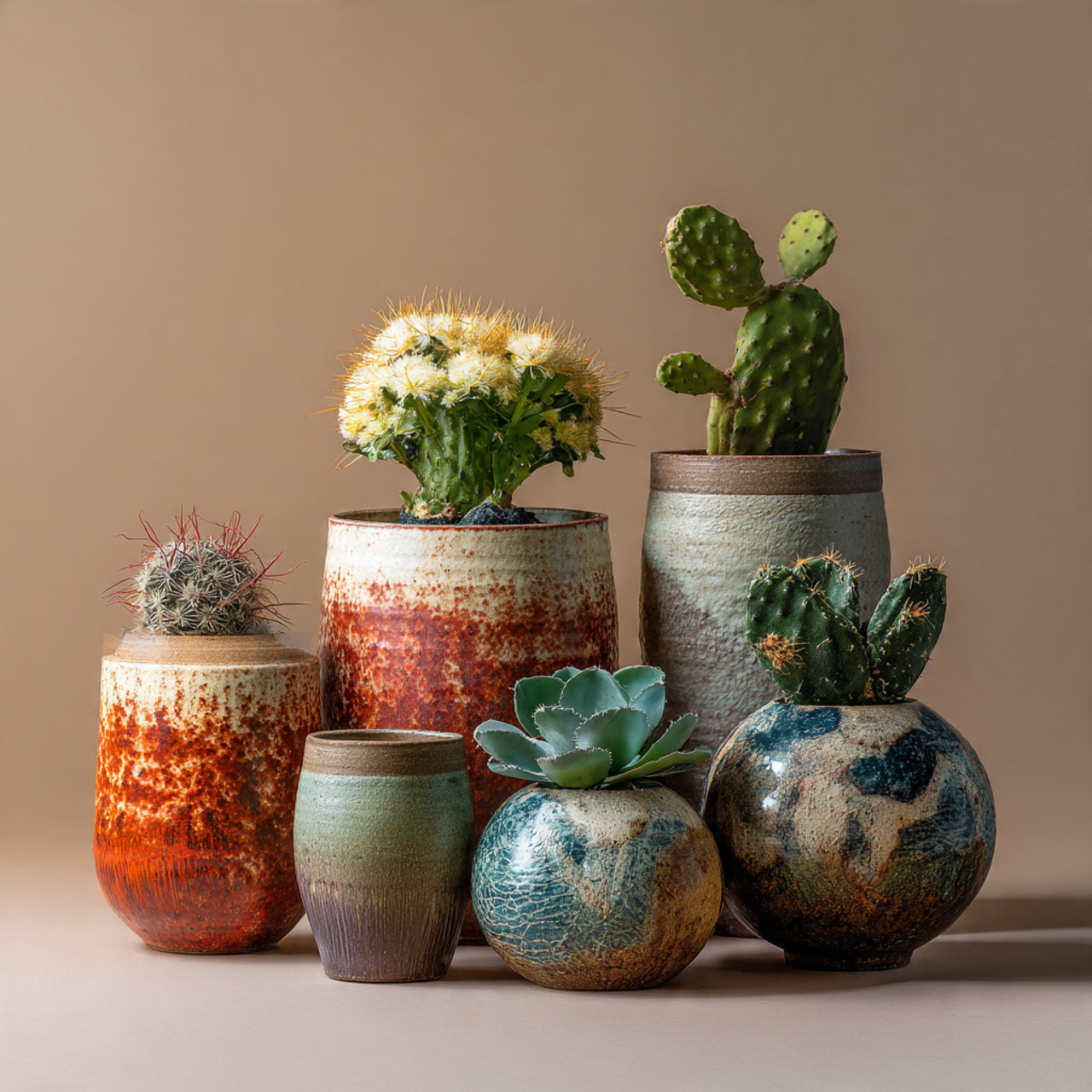
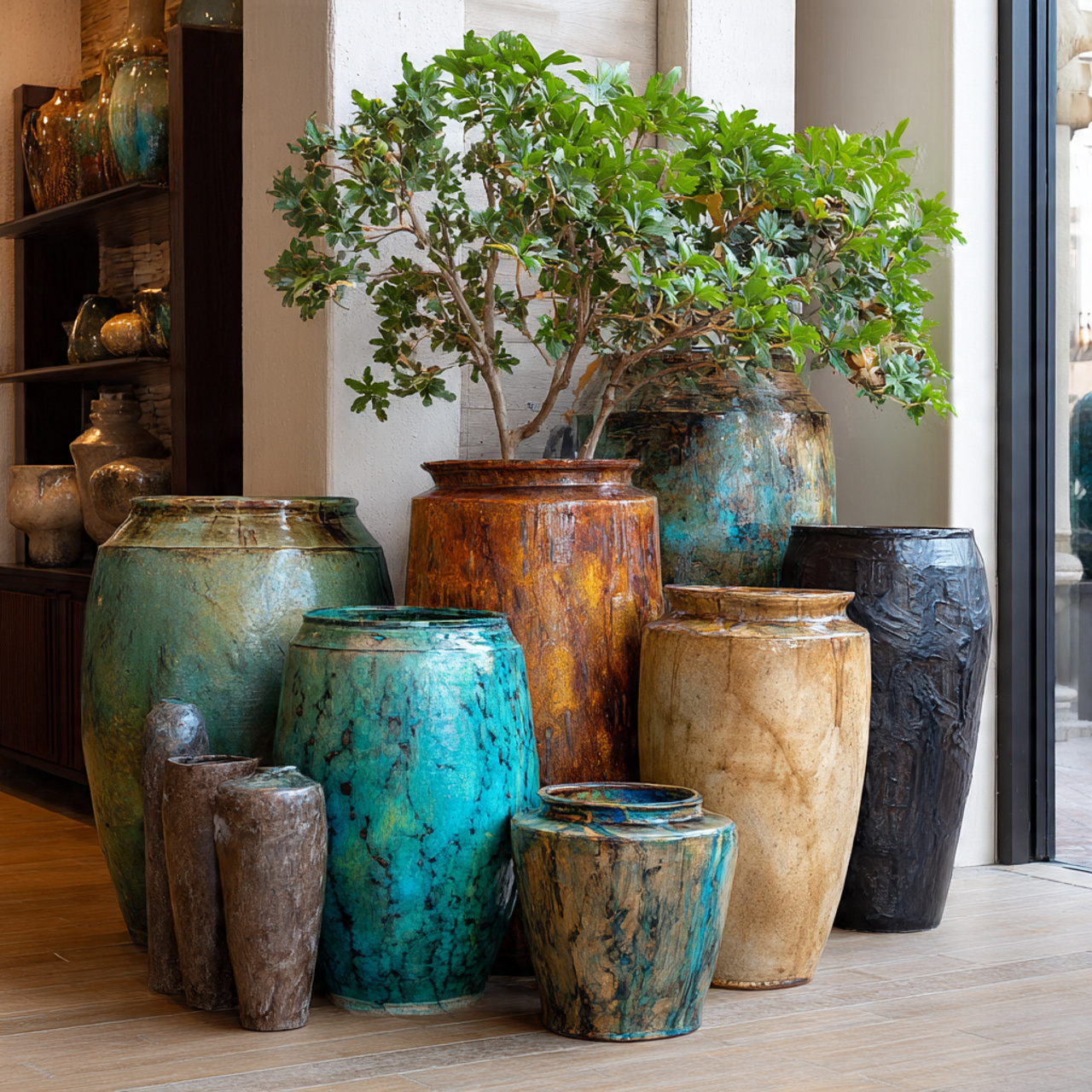
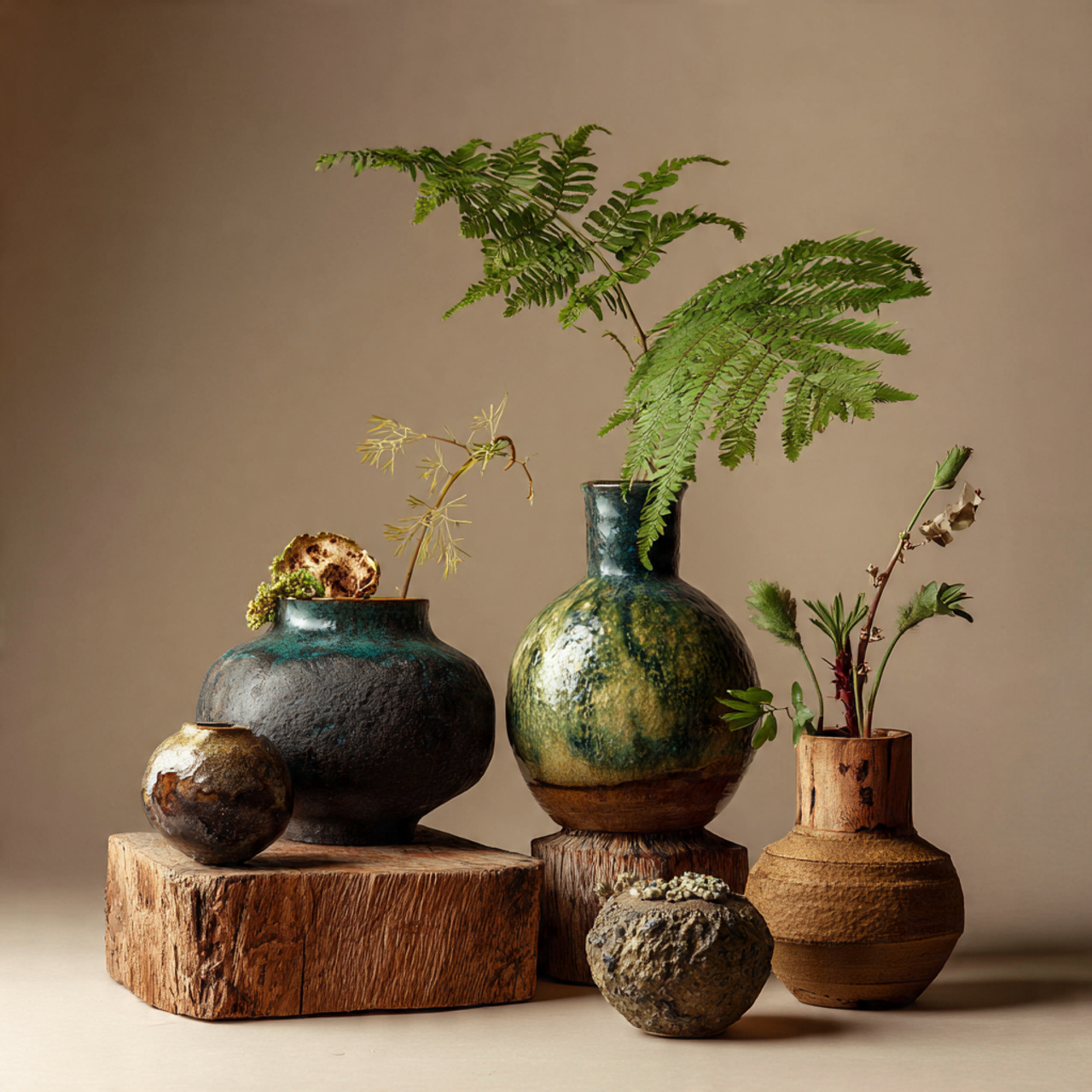
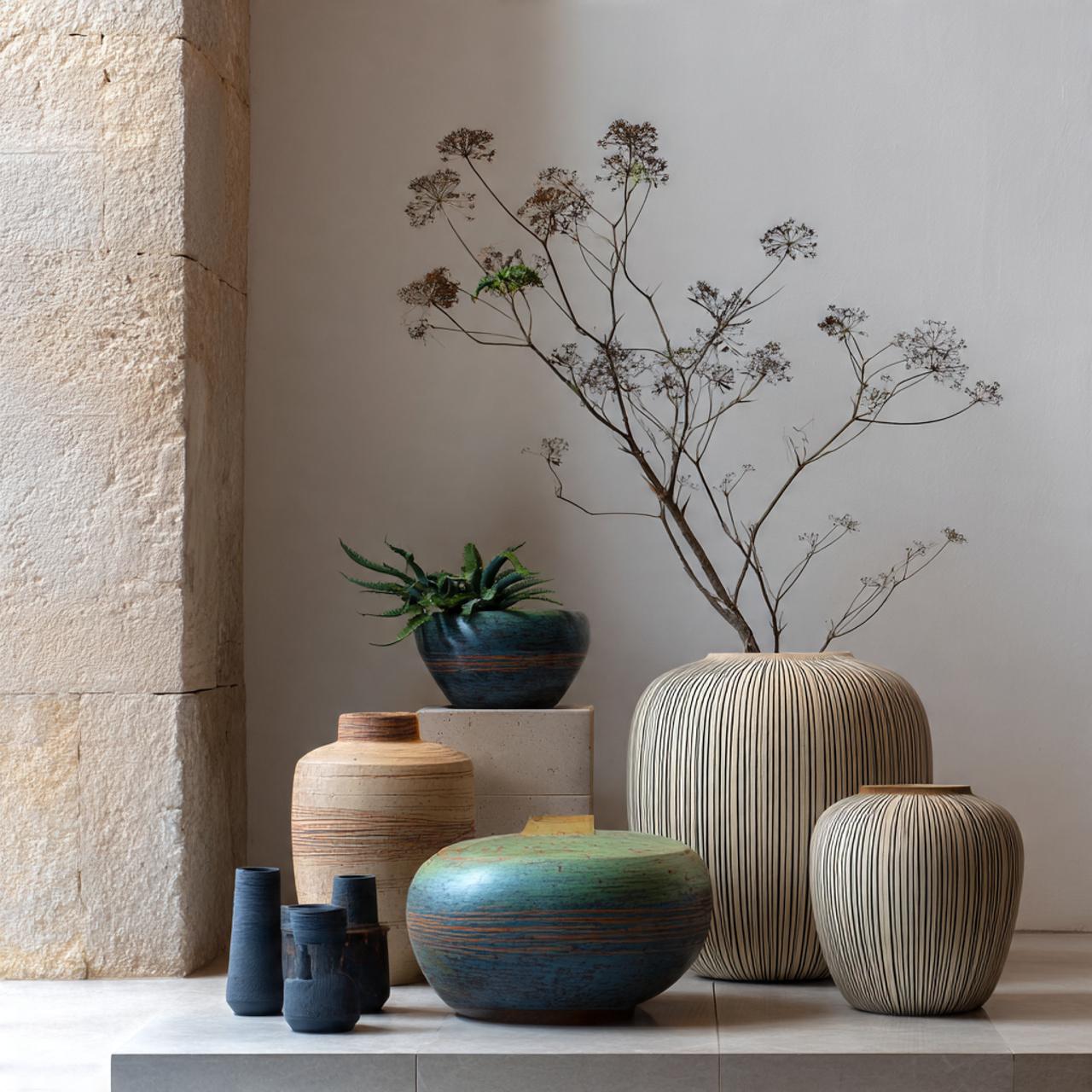
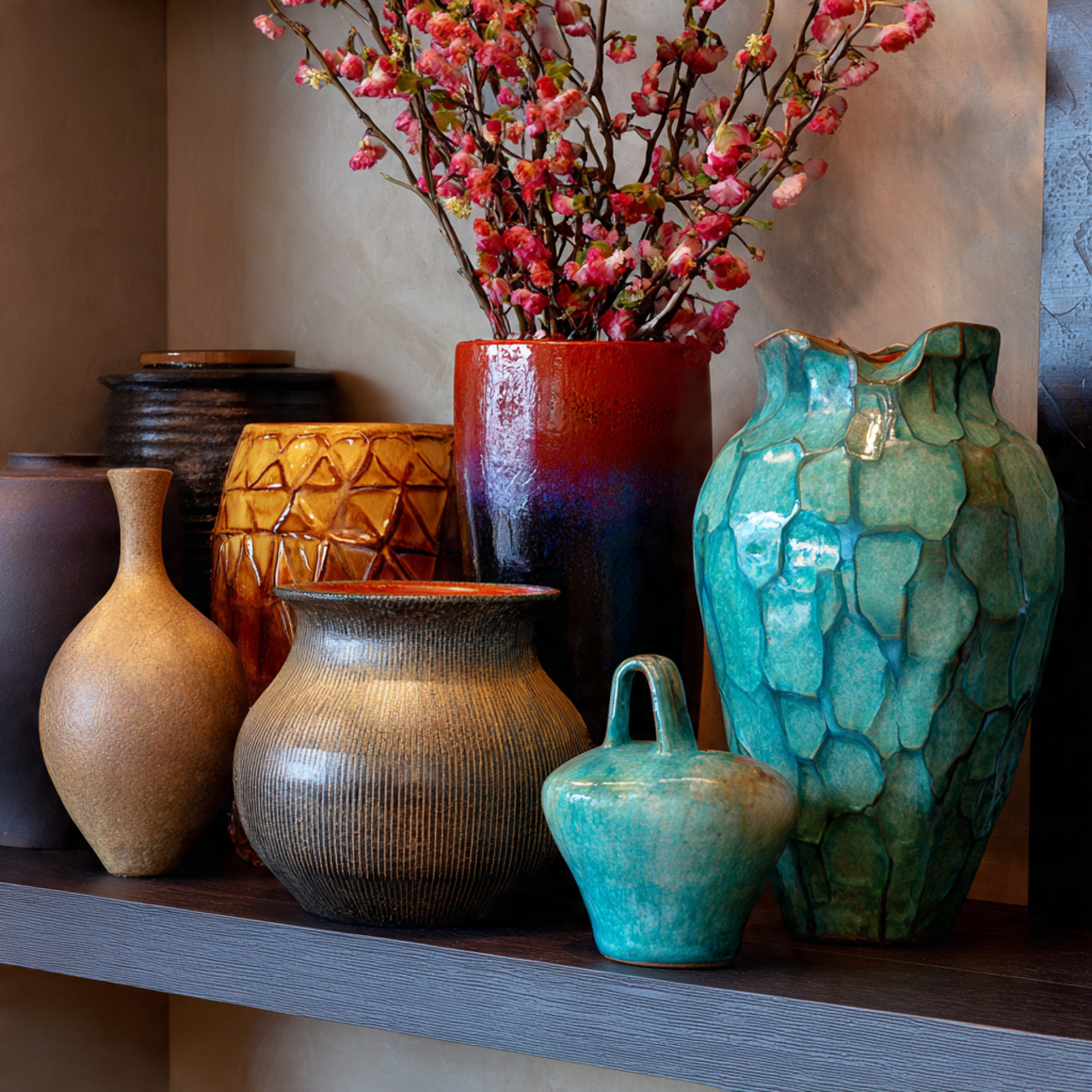
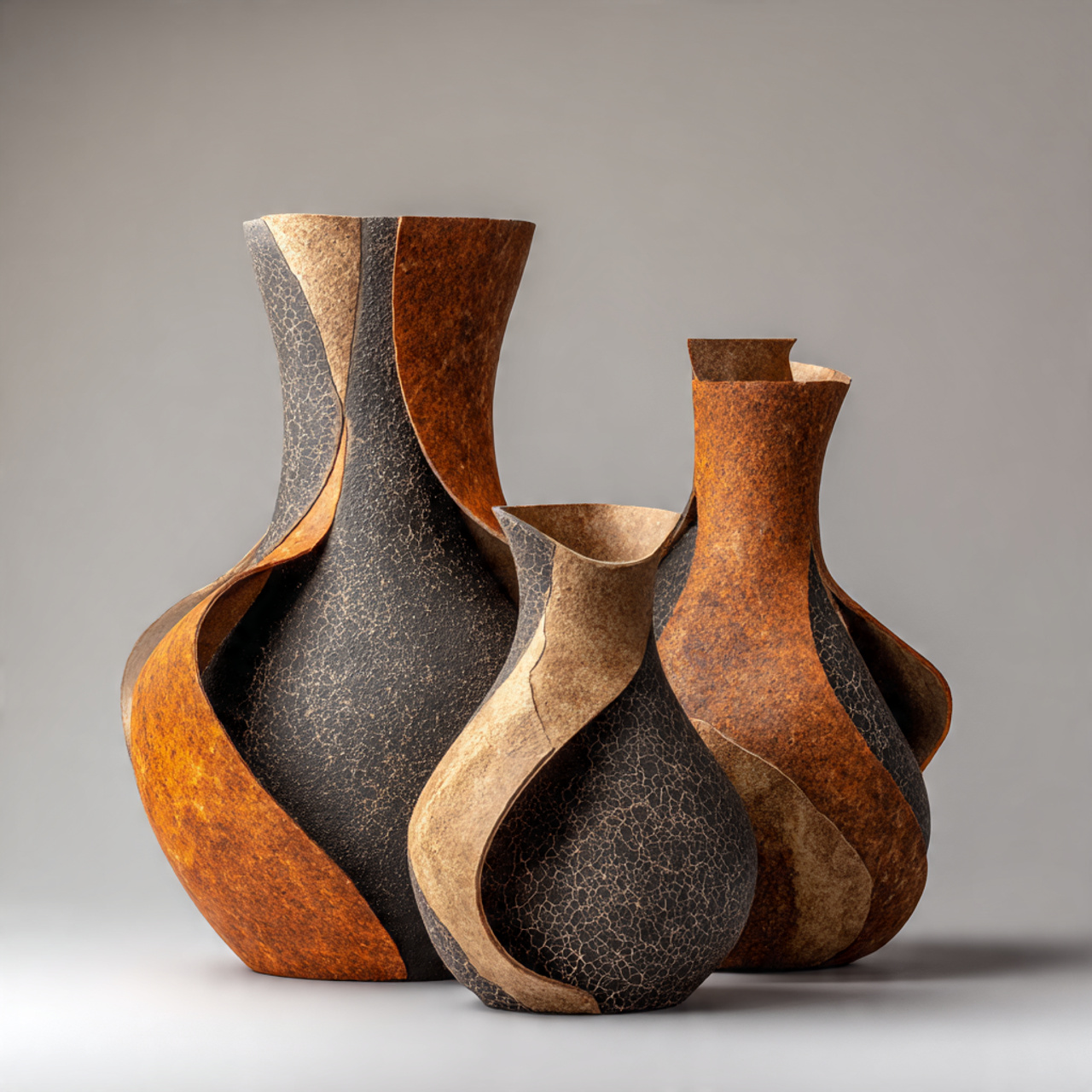
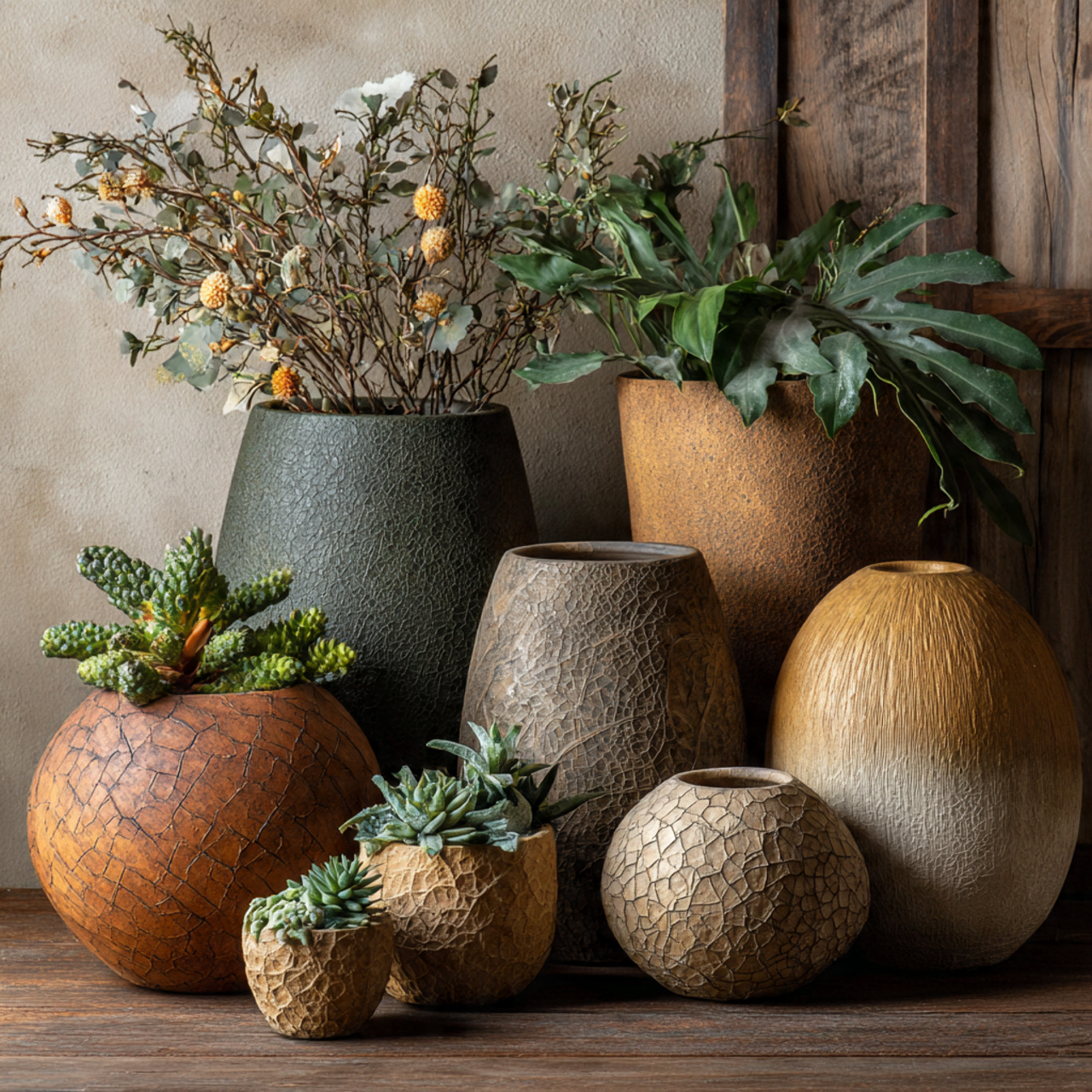
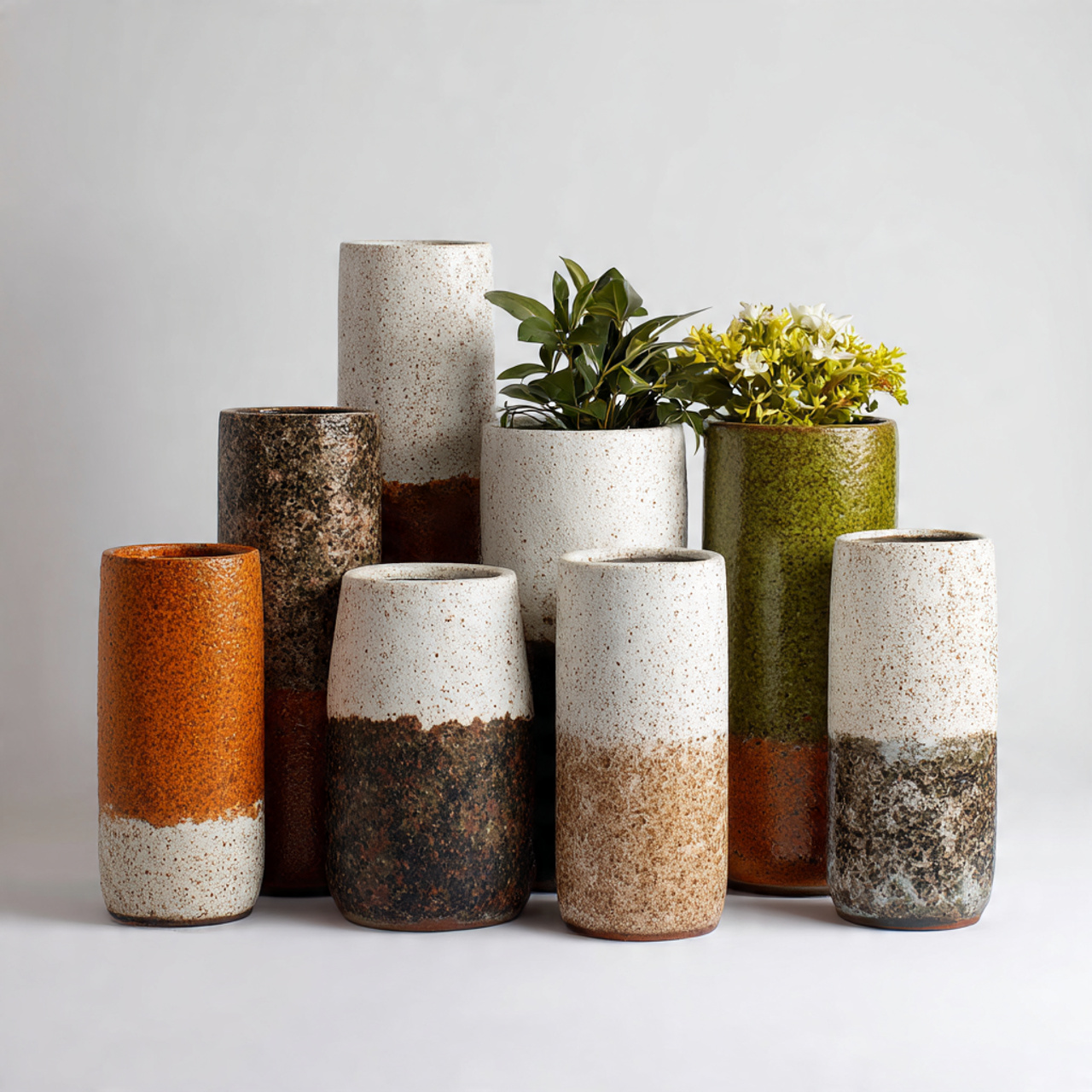
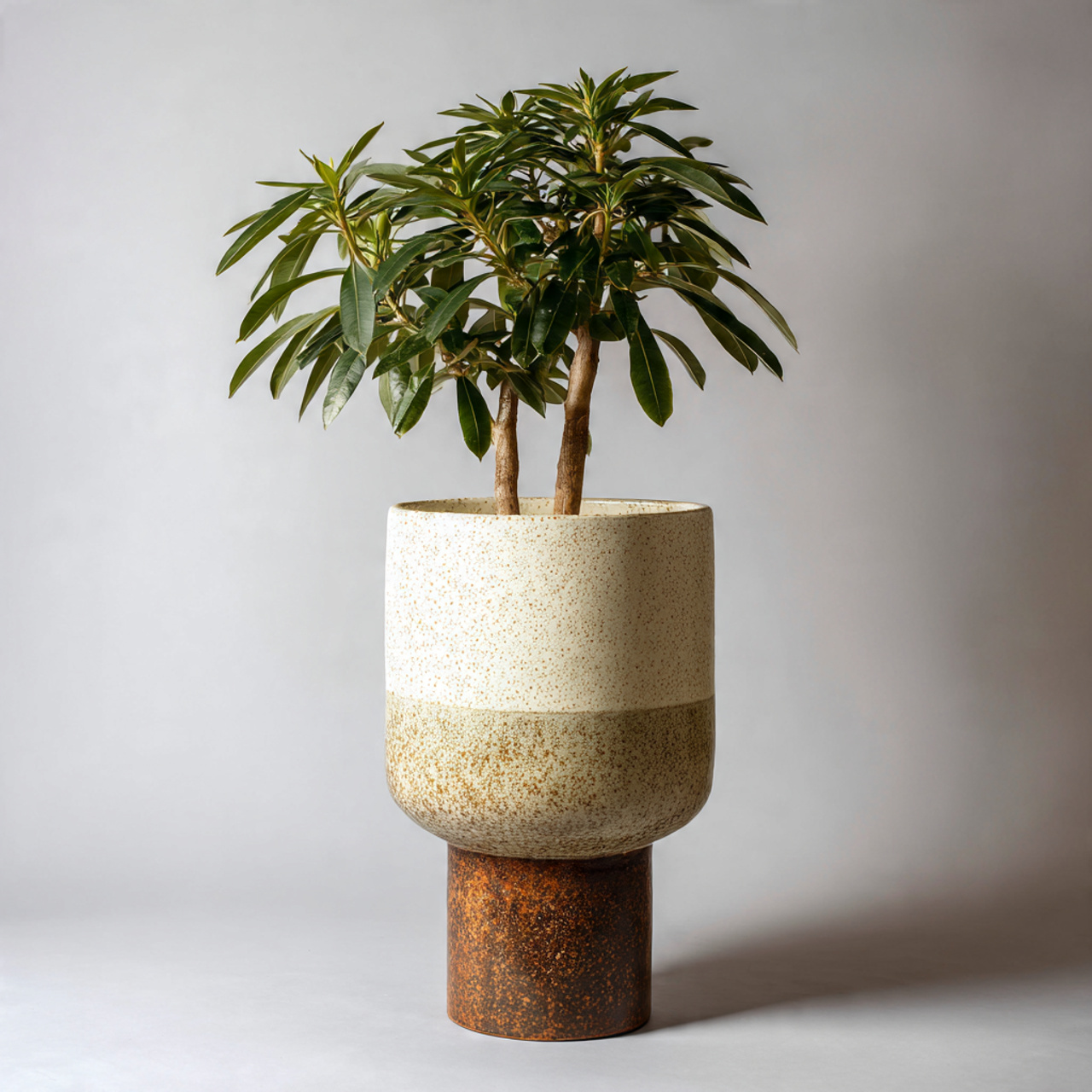
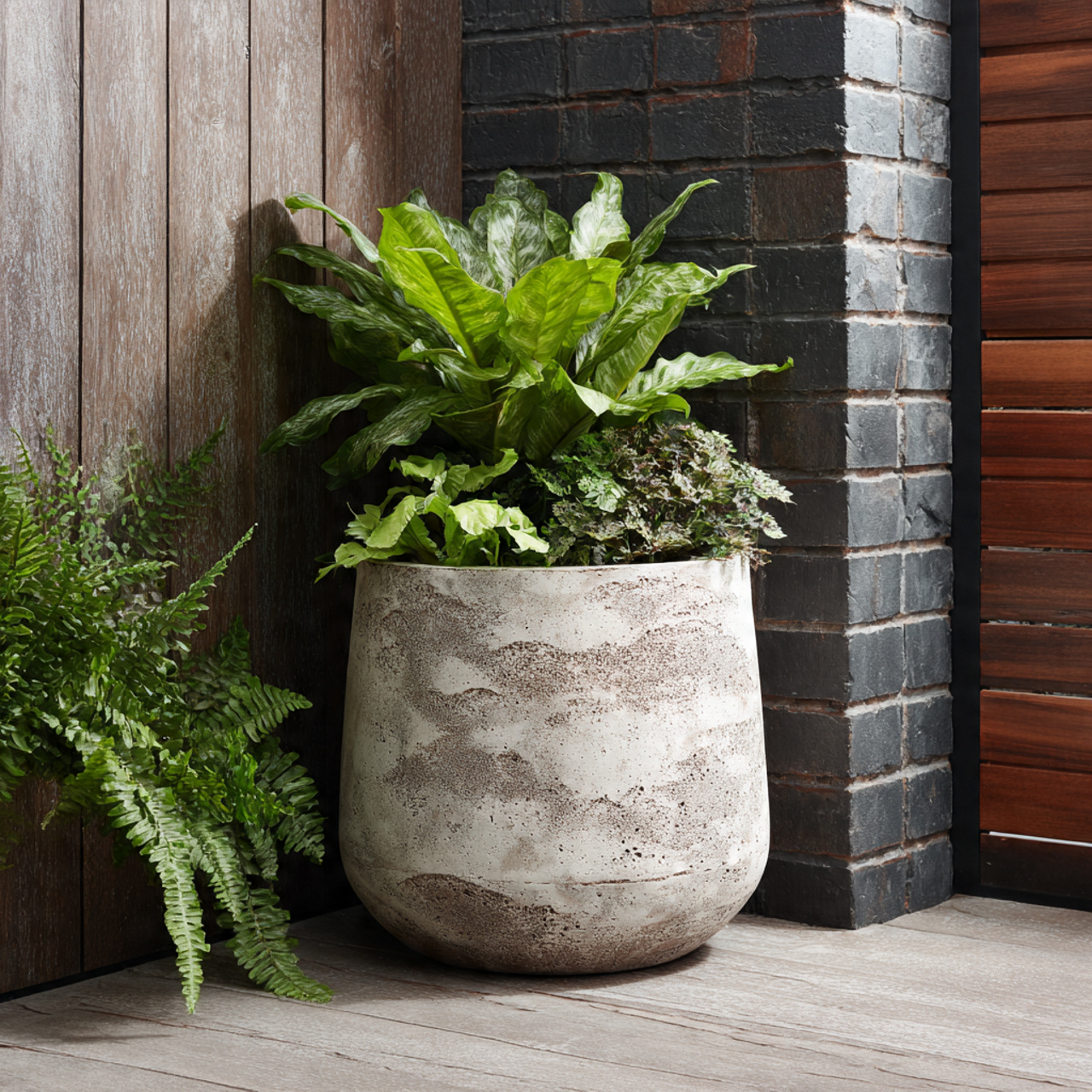
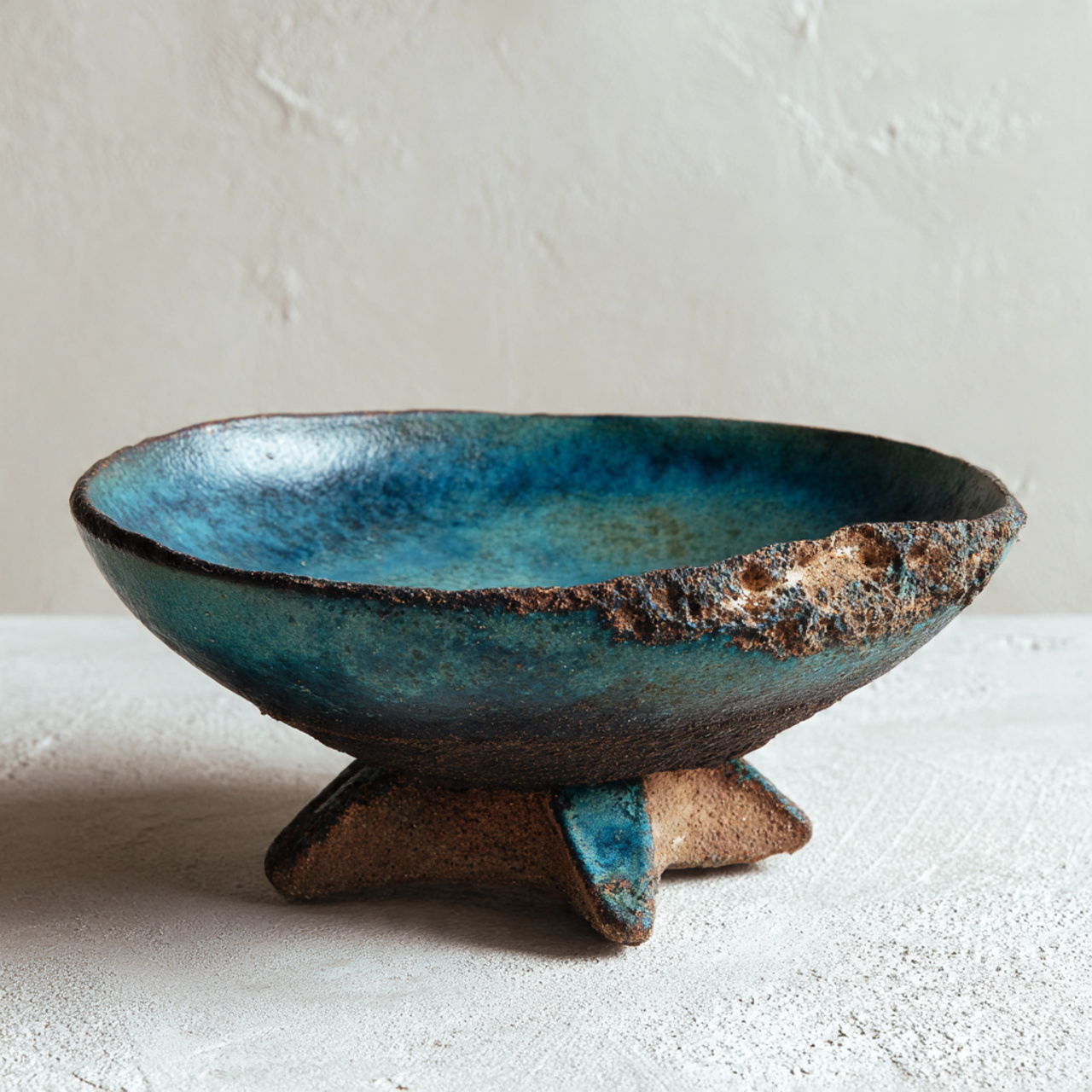
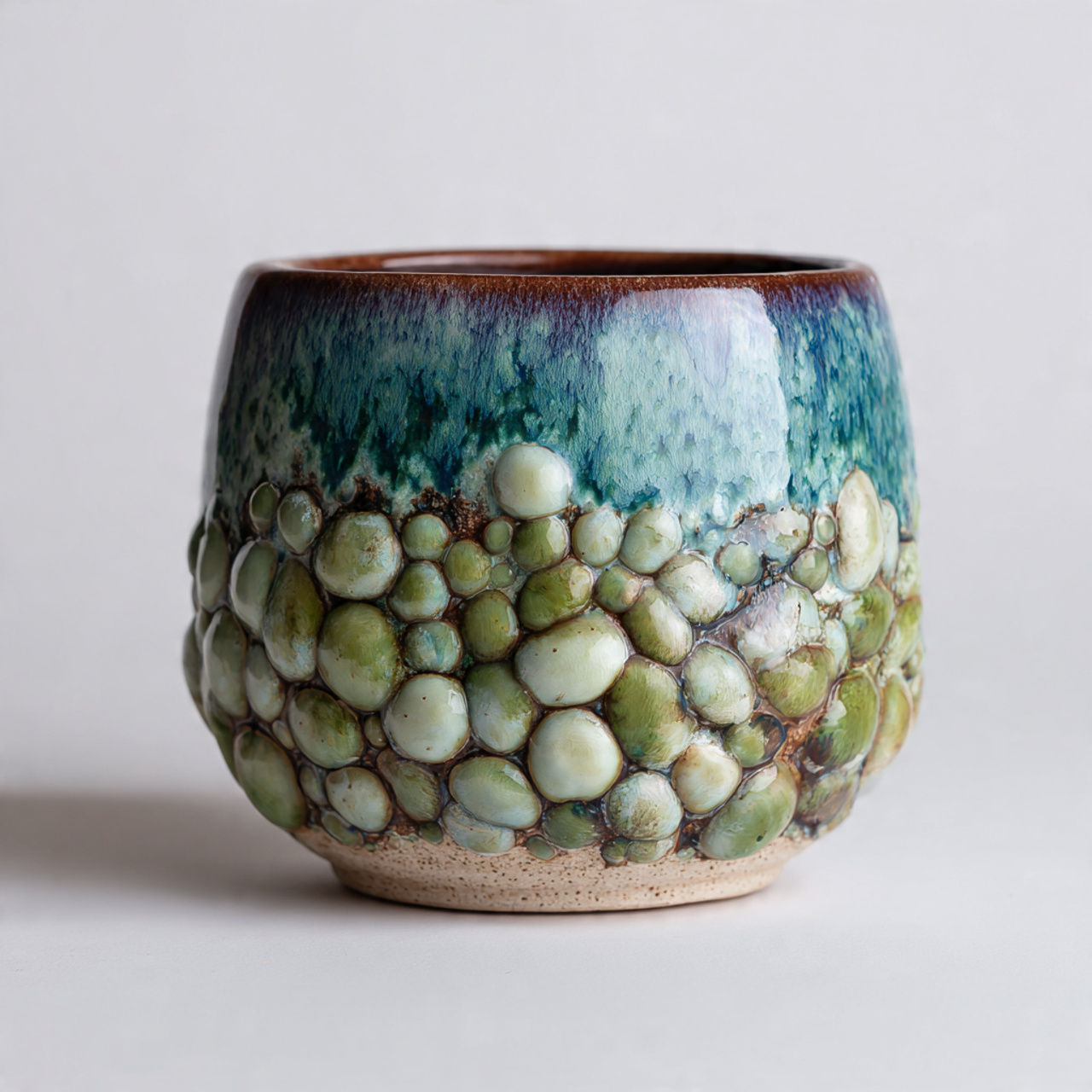
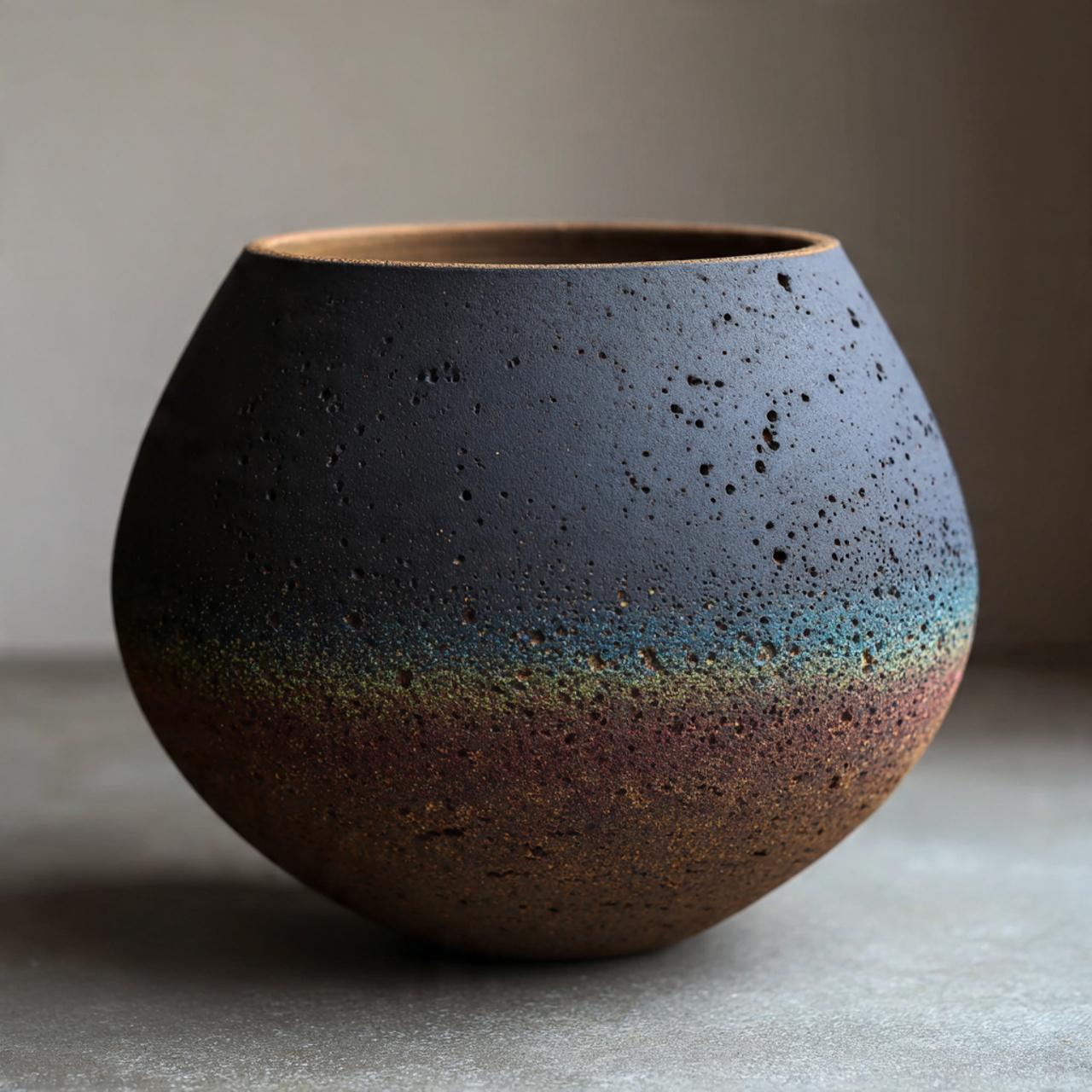
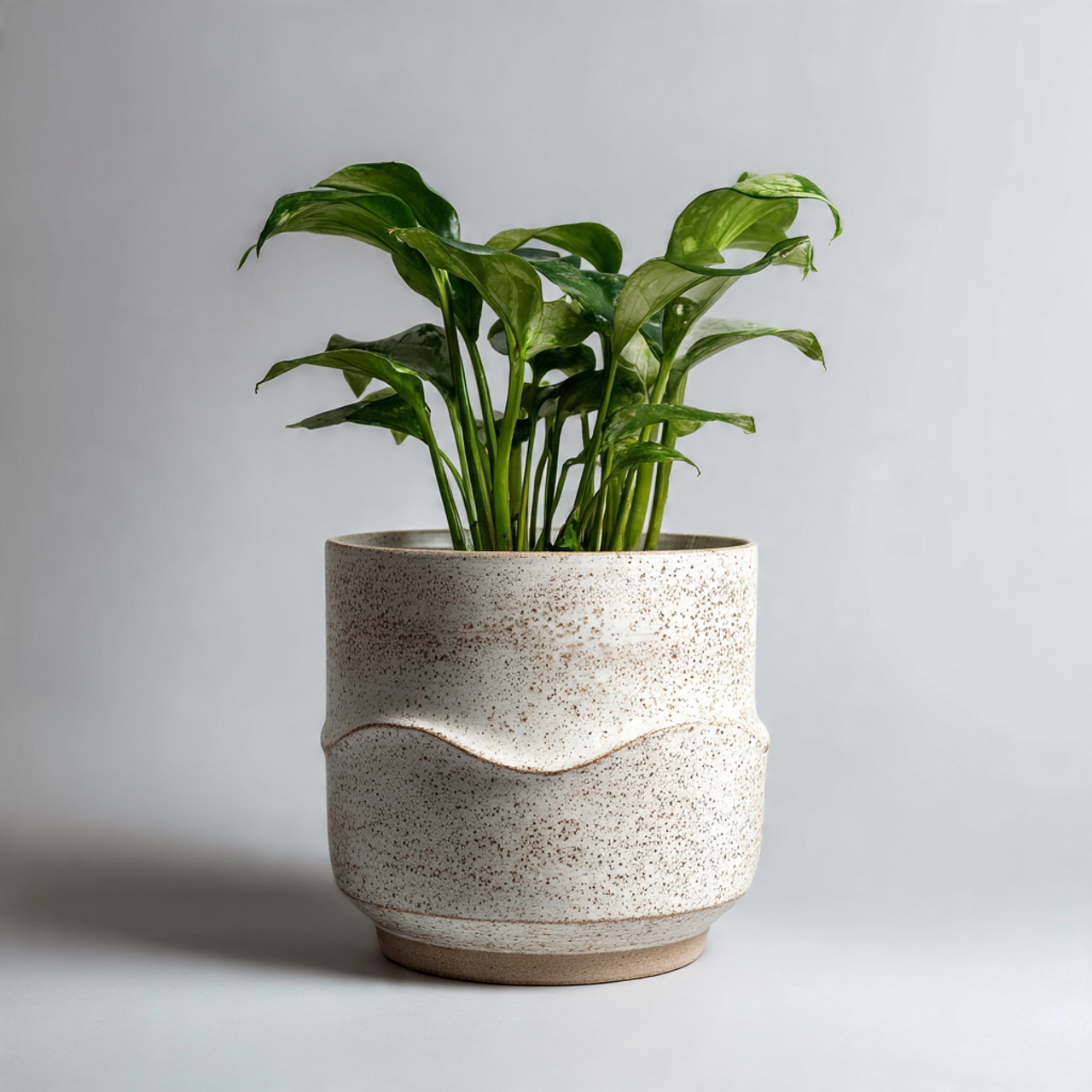
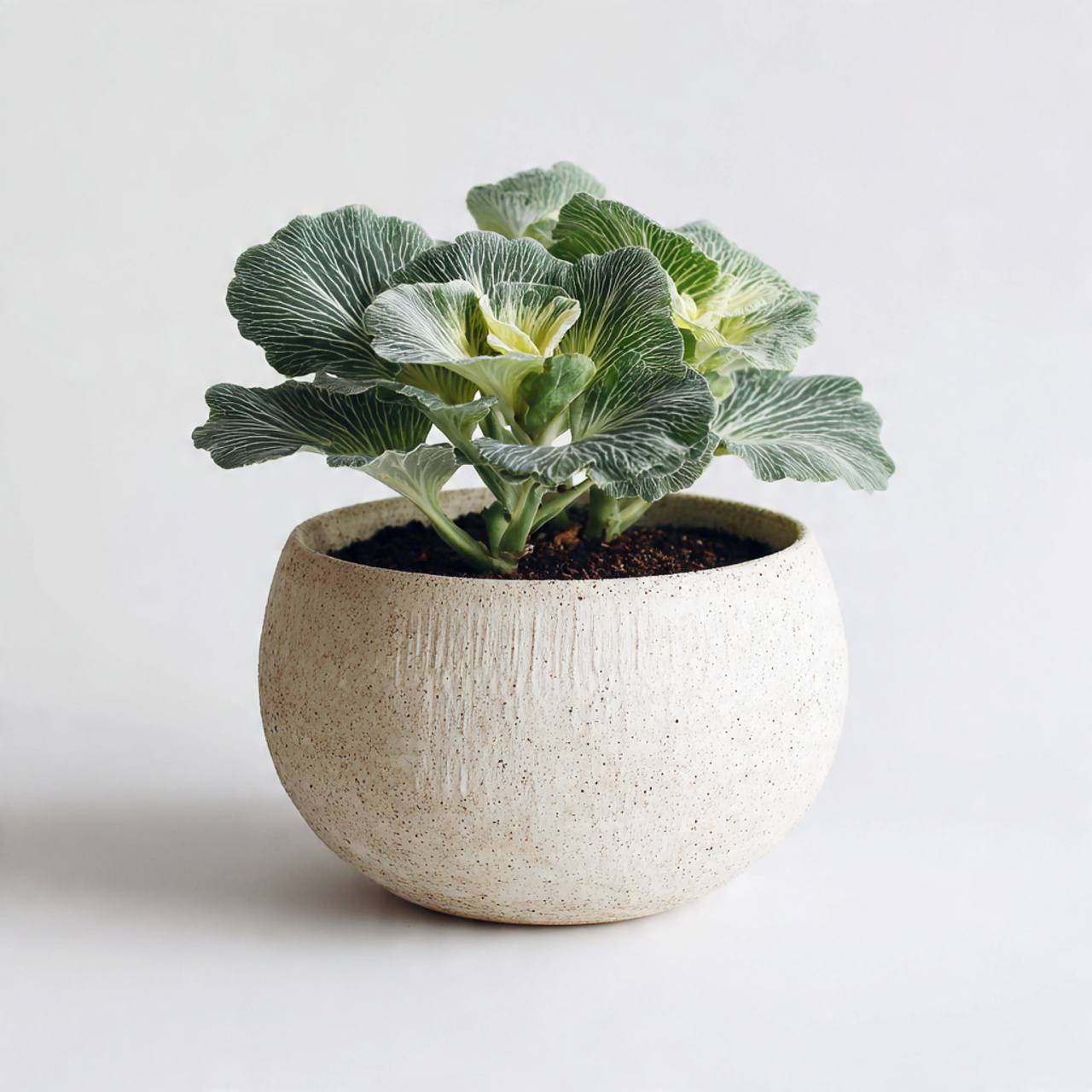
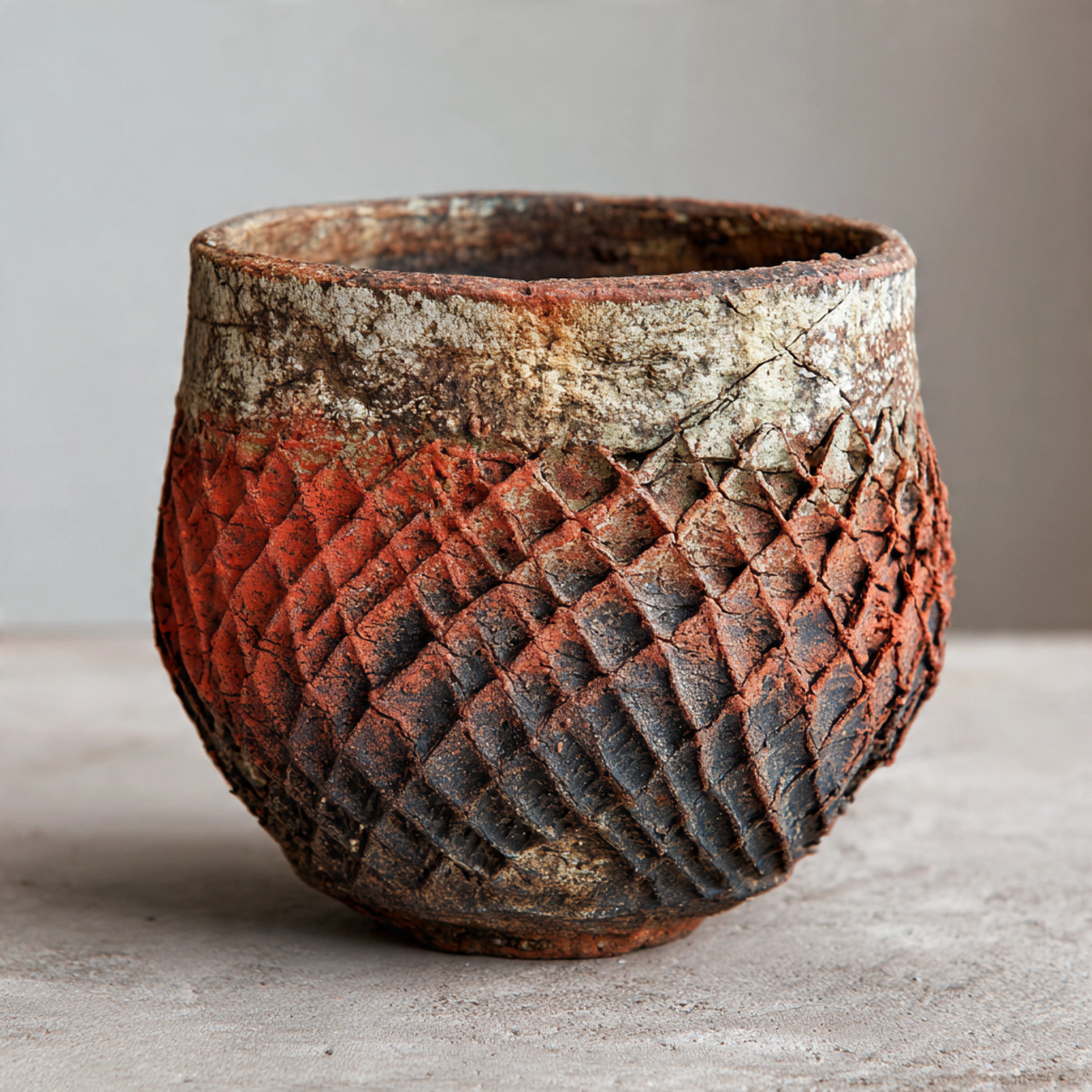
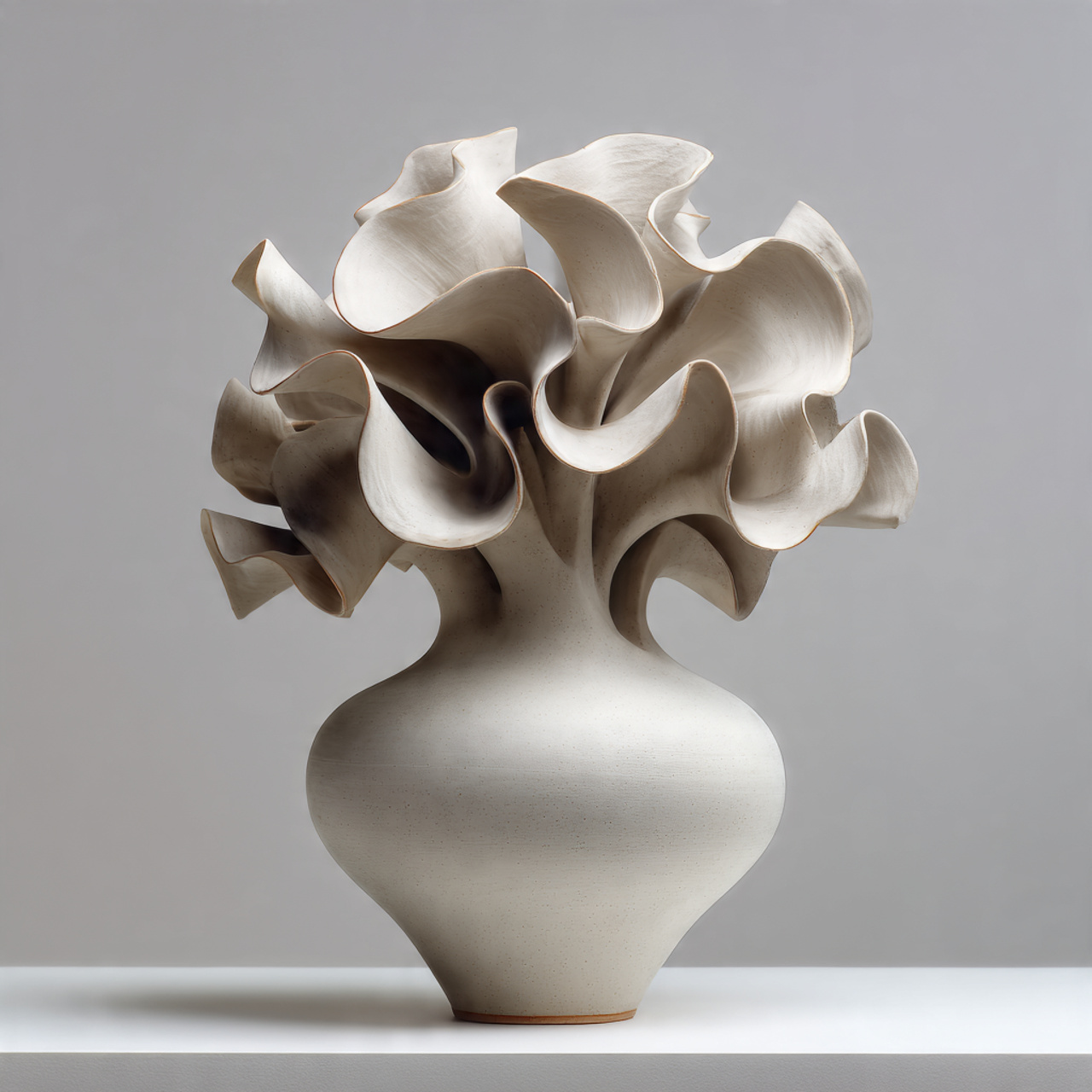
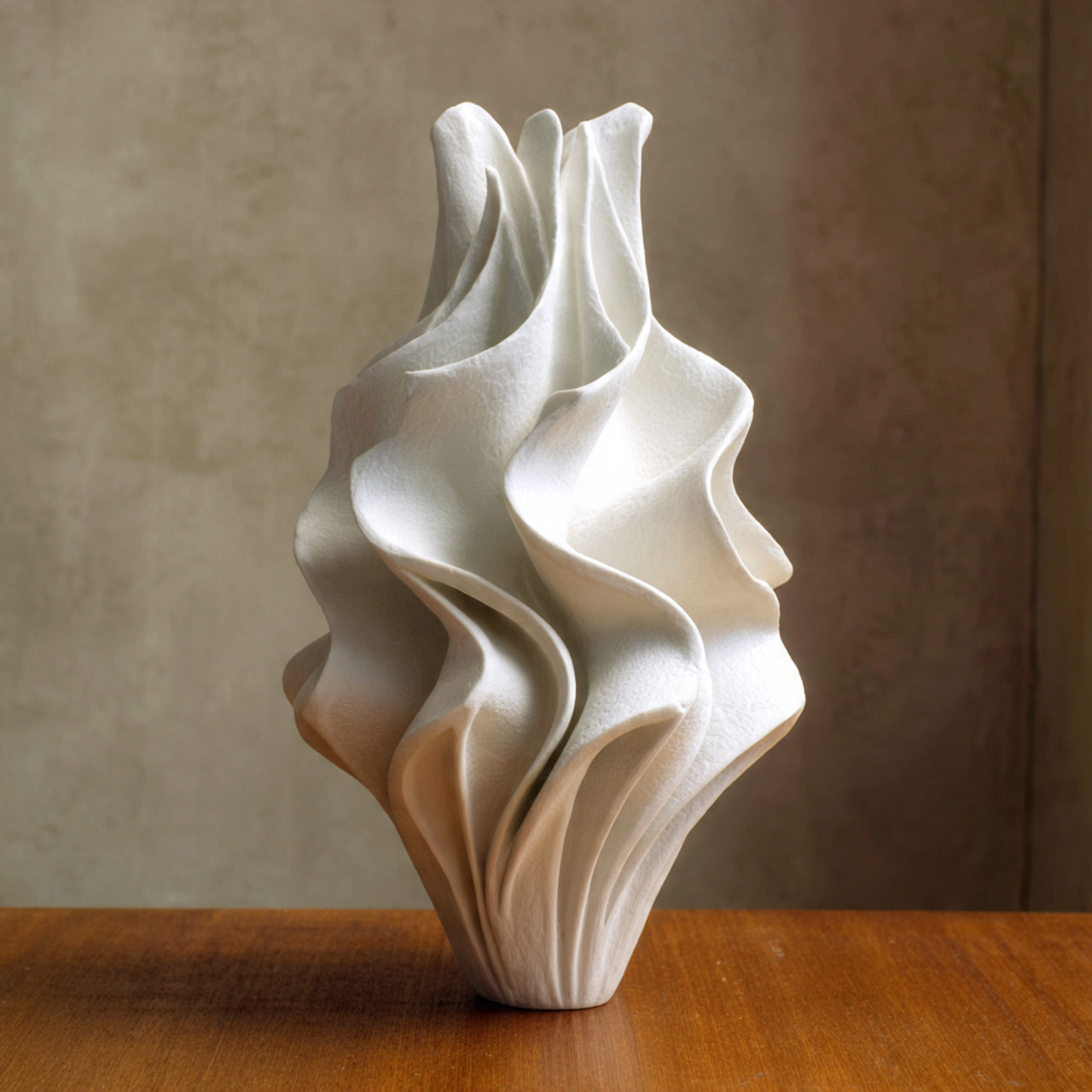
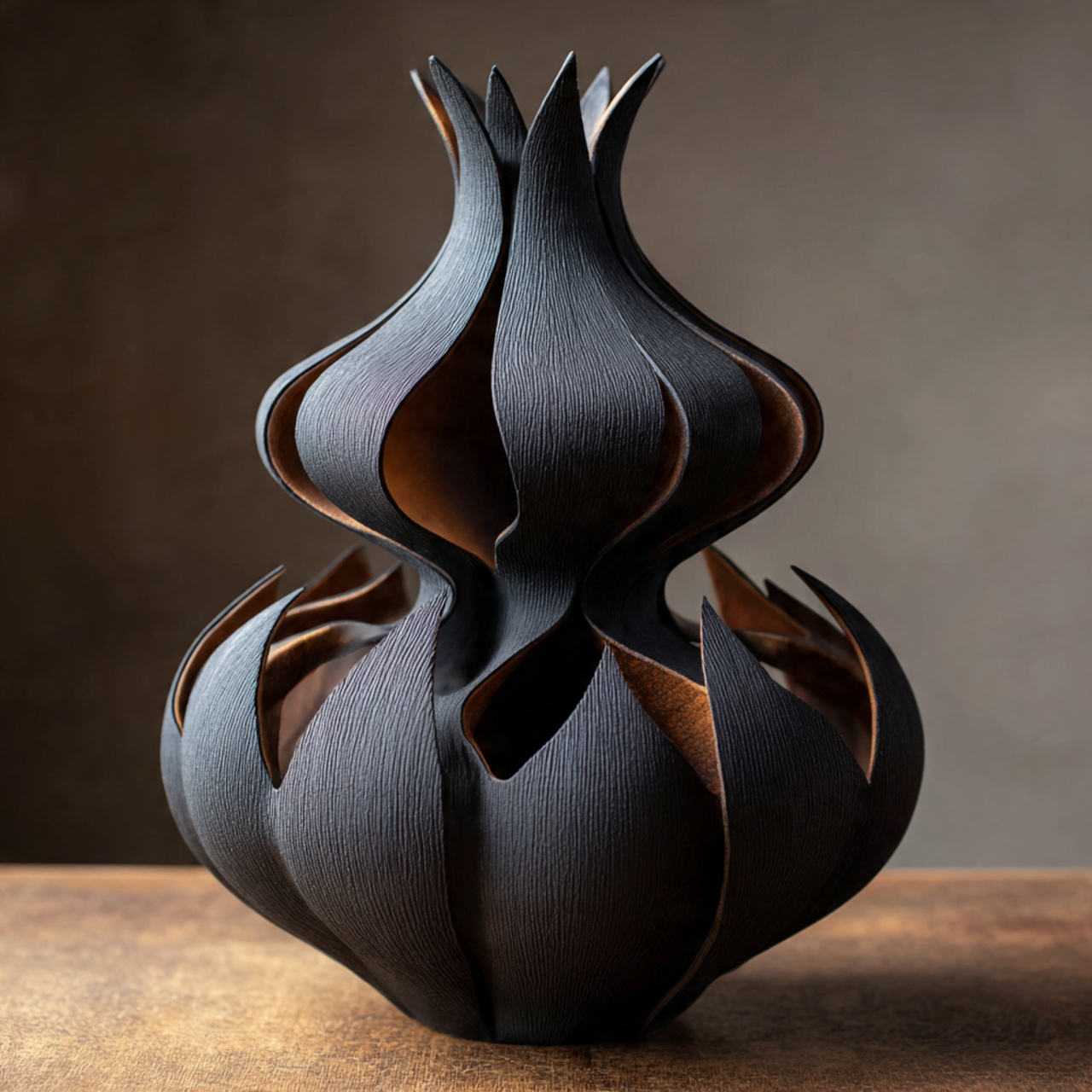
Artful Vases, Pots & Planters Designed as Sculptural Accents
Explore vases, pots, and planters that add form, texture, and quiet character—whether styled with greenery or left beautifully empty.
Choose Vessels That Feel Intentional
Artful vessels work best when scale, shape, and placement are considered together. Use this snapshot to style pieces that feel calm and deliberate.
Scale Match
Match vessel size to surface or floor area for visual stability.
Shape Language
Organic curves feel softer, while clean lines feel architectural.
Placement Zones
Use larger vessels on floors and smaller pieces on shelves or tables.
Styling Restraint
Let one vessel stand alone rather than grouping many together.
Sculptural Foundations That Always Feel Right
Before adding flowers or greenery, get these vessel fundamentals right. They determine whether a piece reads as art or decoration.
Form Before Function
- A strong silhouette carries visual weight on its own.
- Vessels should look complete even when empty.
- Flowers or plants should support the form, not hide it.
Rule: If it only works when filled, the form is weak.
Material Honesty
- Natural finishes age better than glossy surfaces.
- Texture adds depth without color overload.
- Materials should feel grounded and tactile.
Rule: Let texture do the talking.
Negative Space
- Empty space gives vessels presence and clarity.
- Crowding reduces sculptural impact.
- One piece with space reads stronger than many together.
Rule: Space is part of the design.
Choose a Vessel Form That Feels Intentional
These vessel approaches focus on silhouette, texture, and negative space. Choose the pathway that supports the scale and mood of the room.
Single Sculpture
One strong vessel stands alone as a design object.
Best for:
Shelves, consoles, and minimalist rooms.
Floor Statement
Large vessels anchor corners and open floor space.
Best for:
Living rooms and entryways.
Organic Forms
Curved, imperfect shapes add softness and warmth.
Best for:
Calm, natural interiors.
Architectural Lines
Clean, geometric forms bring structure and balance.
Best for:
Modern and structured spaces.
How to Choose Vases, Pots & Planters That Feel Like Art
Artful vessels should feel complete on their own. Use this guide to select pieces that hold visual weight, age well, and elevate a space quietly.
Form & Proportion
The silhouette determines whether a vessel reads as sculpture or décor.
- Look for:
- Clear, confident shapes
- Proportions that feel stable and grounded
- Forms that look complete when empty
Avoid:
Awkward necks or overly thin bases
Shapes that rely on flowers to look finished
Material & Finish
Material choice affects both look and longevity.
- Look for:
- Ceramic, stone, terracotta, or matte finishes
- Subtle texture rather than shine
- Natural color variation
Avoid:
High-gloss or plastic-looking surfaces
Artificial finishes that feel lightweight
Size, Weight & Stability
Scale and weight determine where a piece belongs.
- Look for:
- Heavier bases for floor planters
- Sizes appropriate to the surface or corner
- Stable proportions that won’t tip easily
Avoid:
Tall pieces with narrow bases
Oversized planters on small surfaces
Use with Plants or Empty
Great vessels work both filled and unfilled.
- Look for:
- Pieces that stand alone visually
- Openings suited to minimal stems or greenery
- Interiors finished cleanly
Avoid:
Vessels designed only for dense arrangements
Rough interiors that limit use
Ravnora Curated Artful Vases, Pots & Planters
Vessels selected for sculptural form, grounded materials, and visual calm—designed to stand alone or pair quietly with greenery.
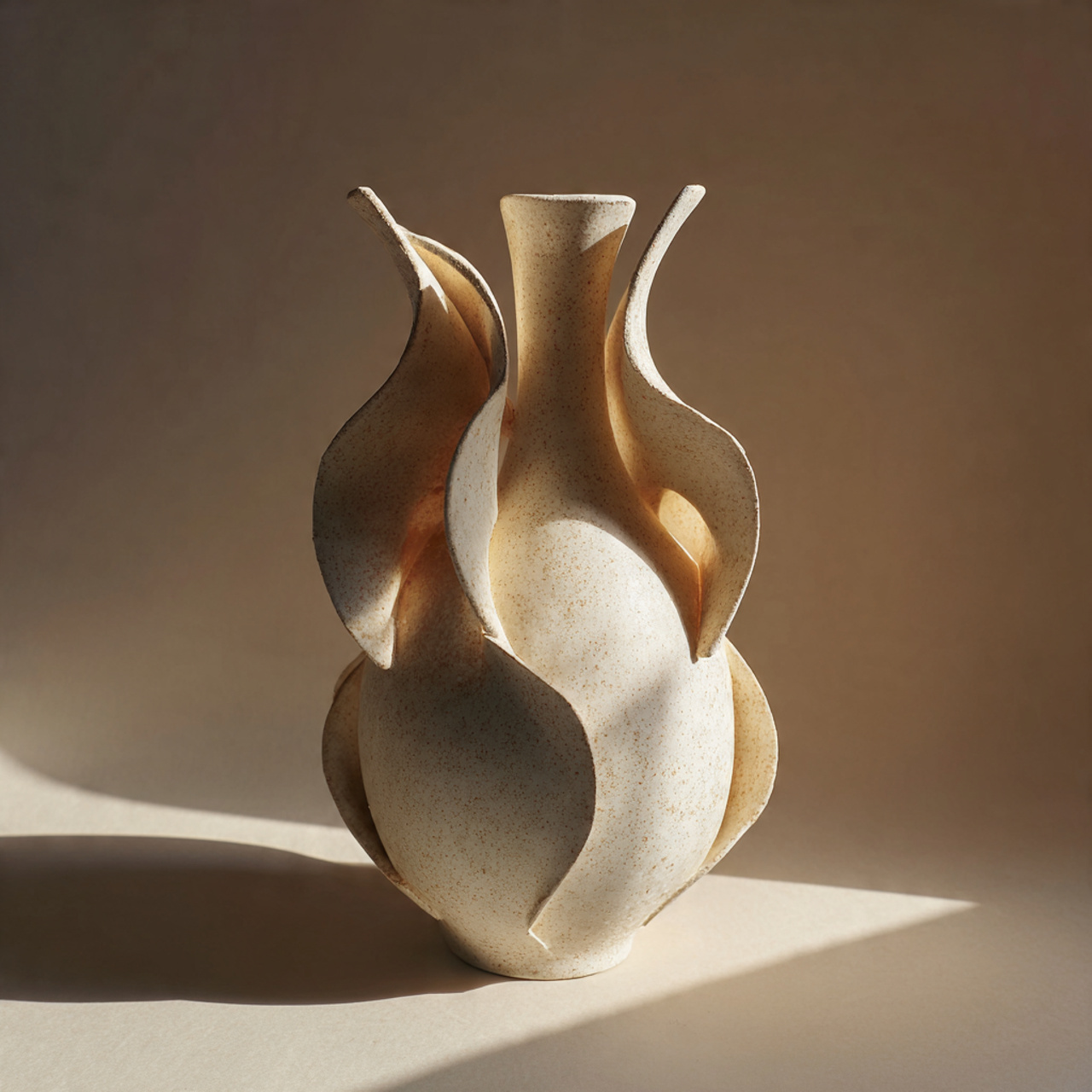
BLOCK 1 — SCULPTURAL VASES
Vases designed as standalone art objects.
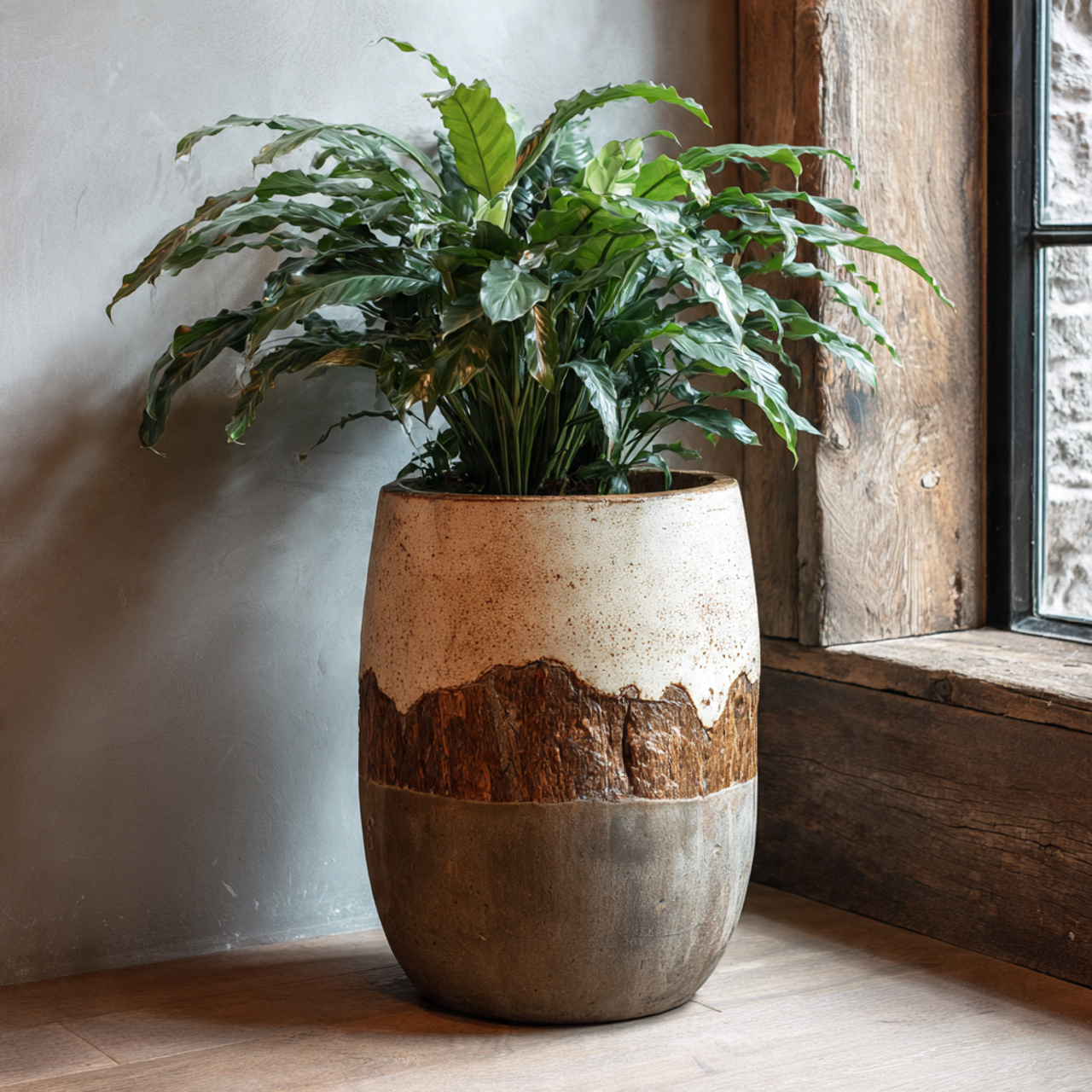
BLOCK 2 — FLOOR & LARGE PLANTERS
Grounded pieces that anchor open space.
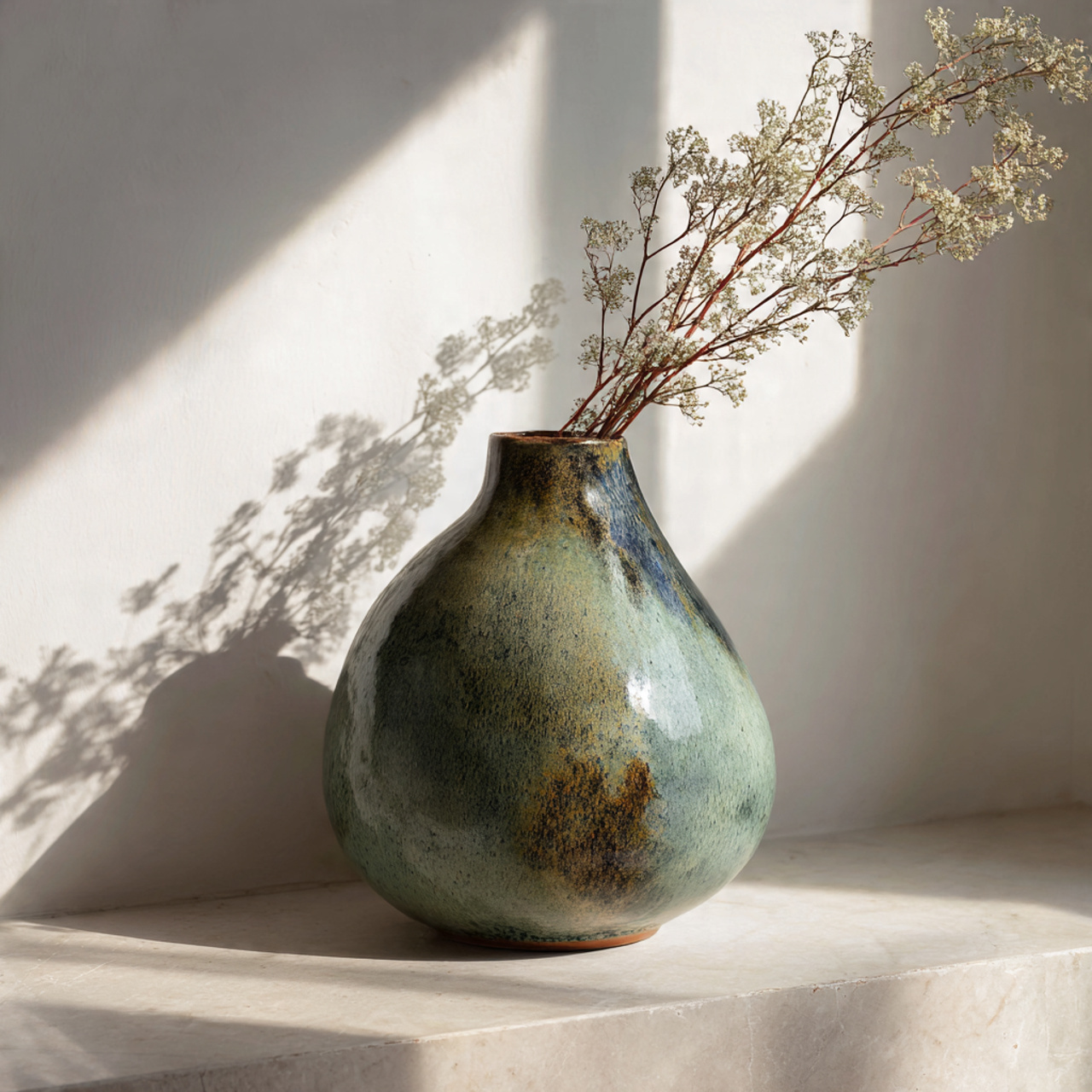
BLOCK 3 — TABLETOP & SHELF VESSELS
Smaller pieces with strong form language.
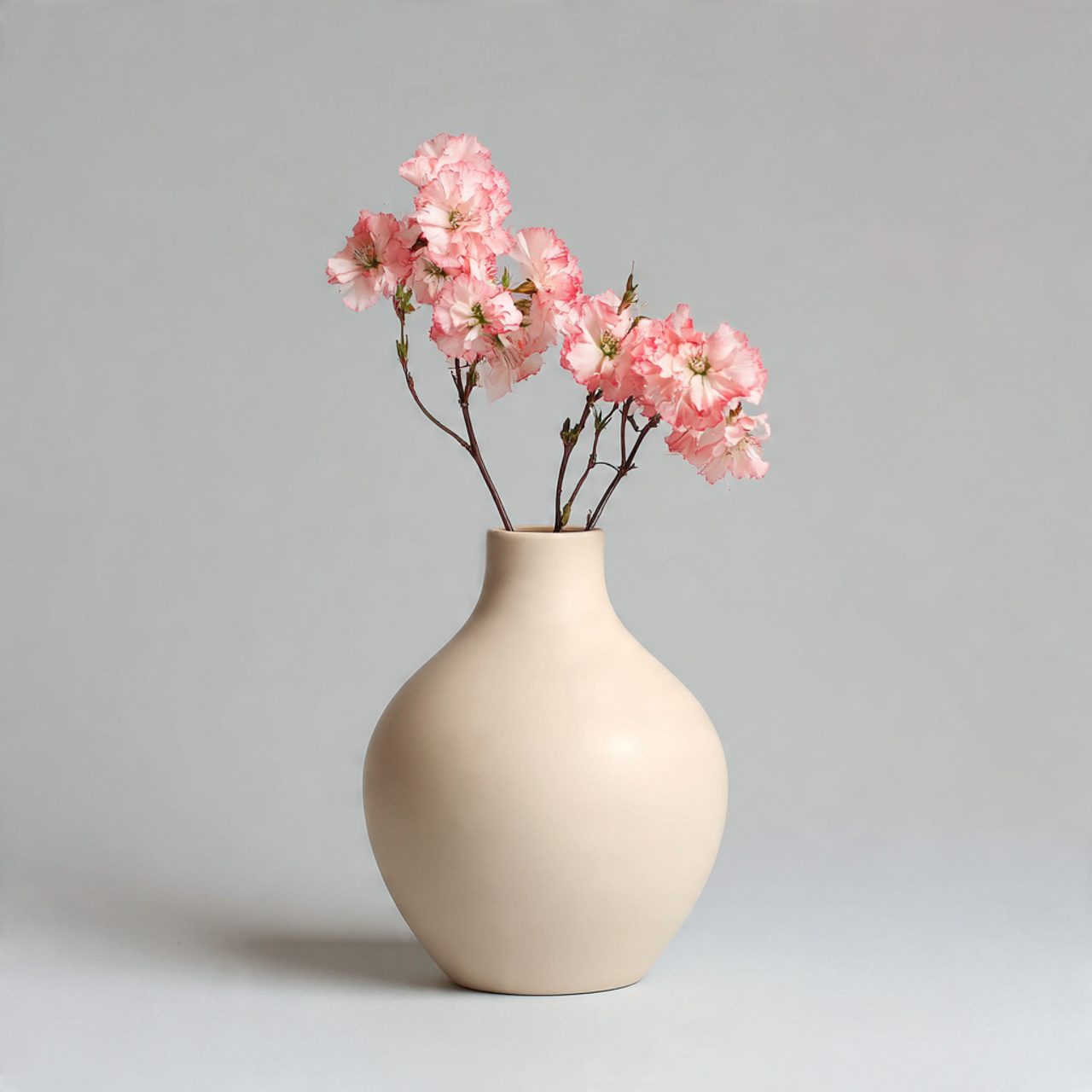
BLOCK 4 — PLANT-READY ART PIECES
Vessels that support greenery without losing form.
Common Vase & Planter Styling Mistakes to Avoid
Most vessel mistakes come from scale confusion and over-grouping. Avoid these for sculptural clarity.
❌ Too many vessels together — visual noise.
Fix: Let one piece lead.
❌ Weak silhouettes — decorative feel.
Fix: Choose confident forms.
❌ Overfilling with flowers — hides shape.
Fix: Minimal stems or empty.
❌ Glossy finishes — cheapens impact.
Fix: Matte or textured surfaces.
❌ Poor scale placement — imbalance.
Fix: Match size to surface or floor.
Save This Sculptural Styling Guide for Later
Artful vessels reward restraint. Save this guide to revisit form rules, placement ideas, and curated picks.
Explore More Form-Focused Ideas
Tabletop Décor & Accent Pieces —
refined surfaces
Explore →
Living Room Decor Ideas —
sculptural accents
Explore →
Bedroom Decor Ideas —
calm object styling
Explore →
Lighting & Lamps —
form through light
Explore →
Get Sculptural Styling Notes
Occasional guidance on form, material, and placement—quiet, intentional, no noise.
Artful Vases, Pots & Planters FAQs
Q1: Should vases always hold flowers?
No—strong forms work empty.
Q2: How many vessels per surface?
One is usually enough.
Q3: Are matte finishes better?
Yes, they feel more timeless.
Q4: Can planters be decorative?
Absolutely, when form leads.
Q5: What’s the biggest mistake?
Over-grouping.
Let Objects Speak Quietly
Artful vases and planters bring form and texture into a space.
Use this guide to style vessels that feel intentional, grounded, and timeless.