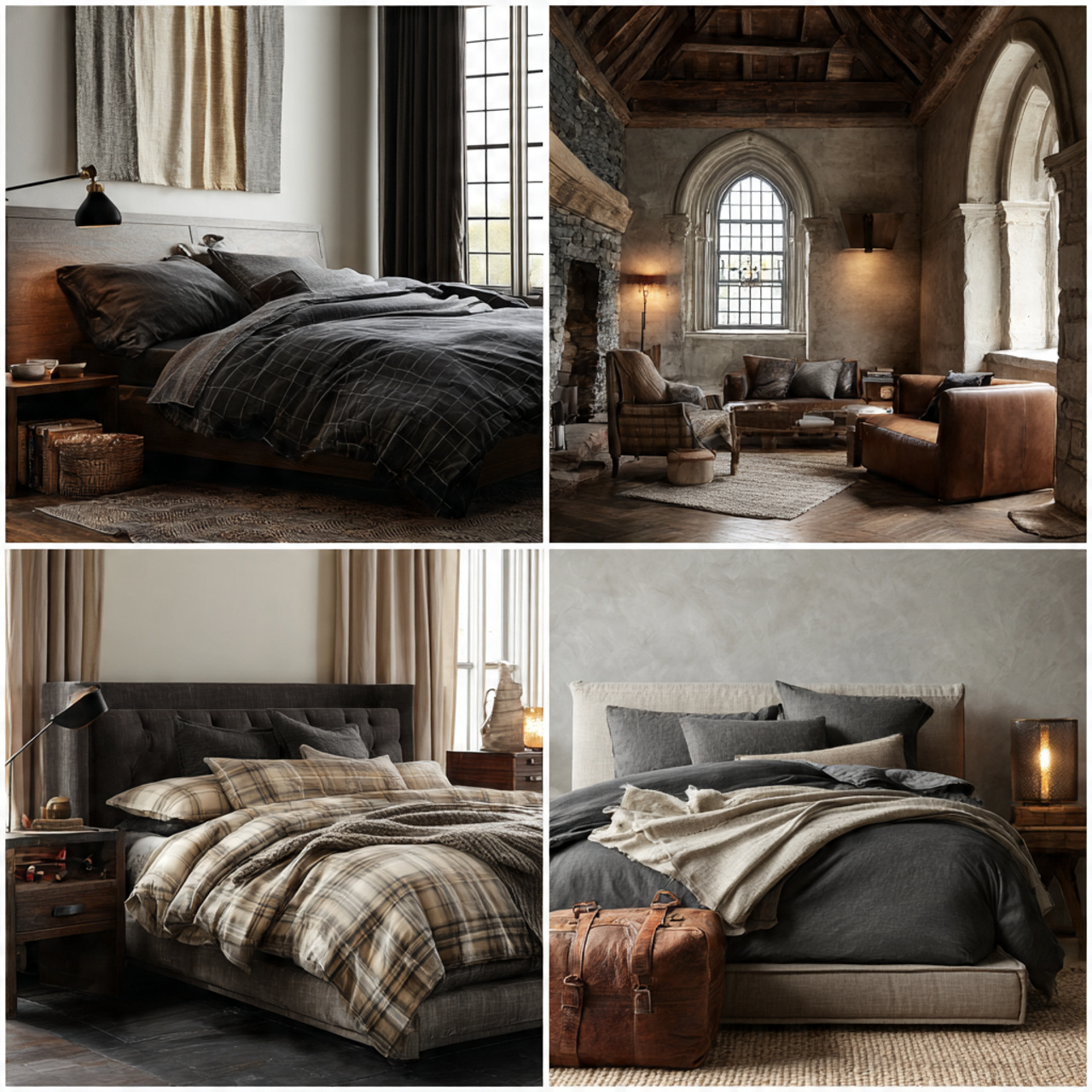
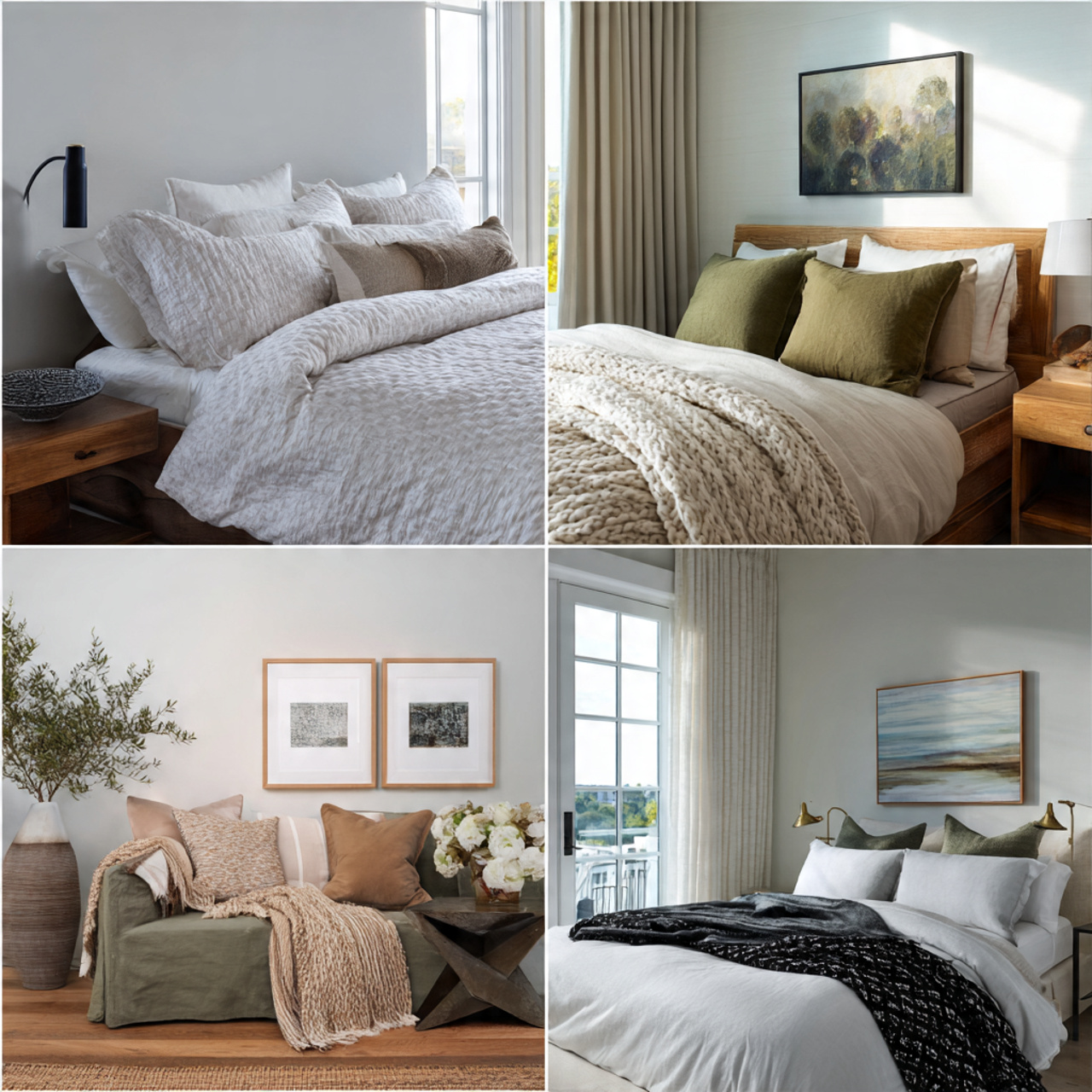
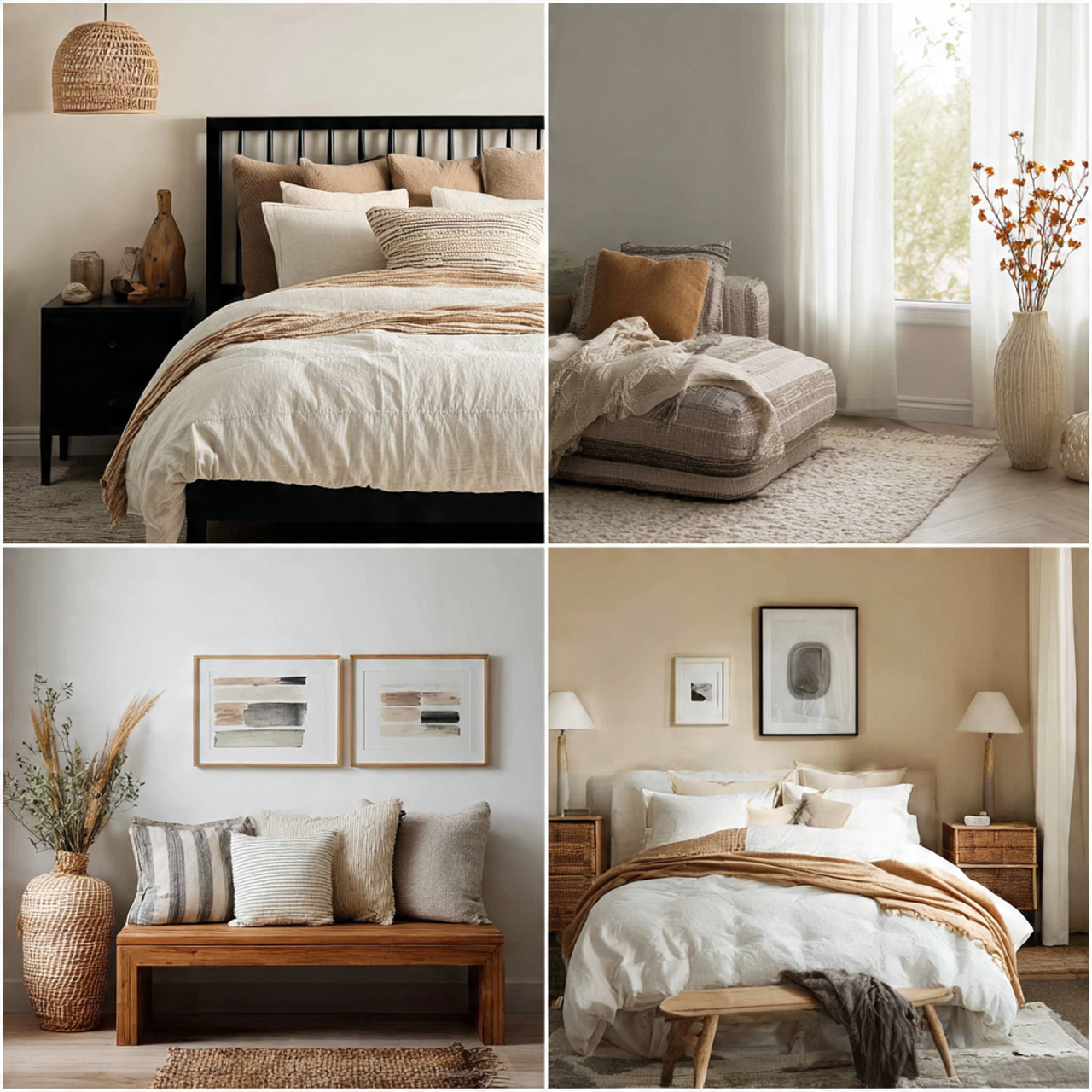
Bedroom Decor Ideas
Designed for Rest, Not Trends
Design a bedroom that supports better sleep and daily calm through comfort-first layouts, soft textures, balanced lighting, and intentional choices.
Design a Bedroom That Fits Your Life — Not a Template
A well-designed bedroom supports rest, comfort, and daily routines. Use this guide to make thoughtful choices that feel calm, personal, and practical.
Room Size
Small bedrooms benefit from fewer, well-chosen pieces, while larger rooms need balance to avoid feeling empty or unfinished.
Comfort Priority
Your bed, mattress, and lighting matter more than decorative accents when designing a restful bedroom.
Color Mood
Soft neutrals, muted tones, and low-contrast colors help create a calmer, more sleep-friendly atmosphere.
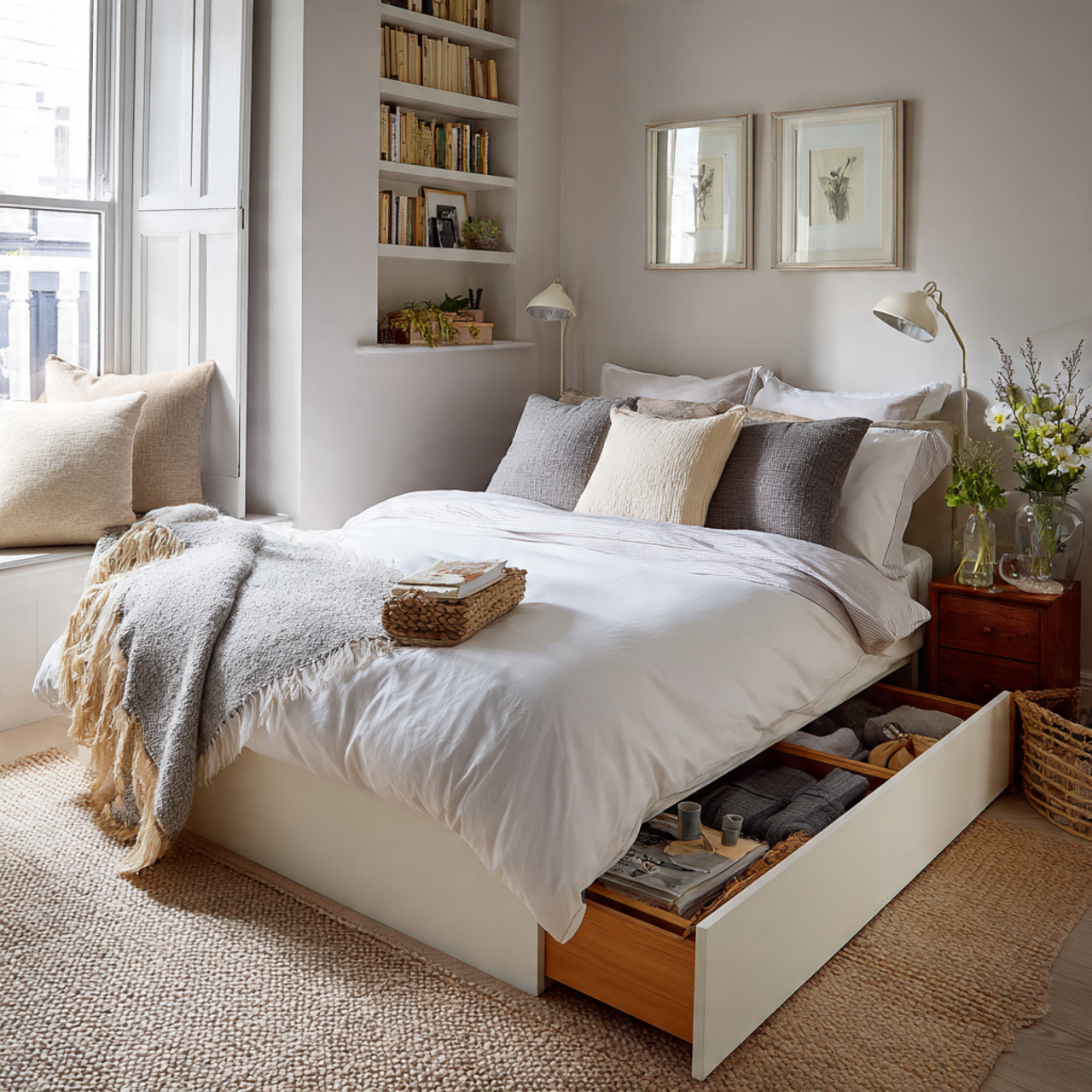
Storage Reality
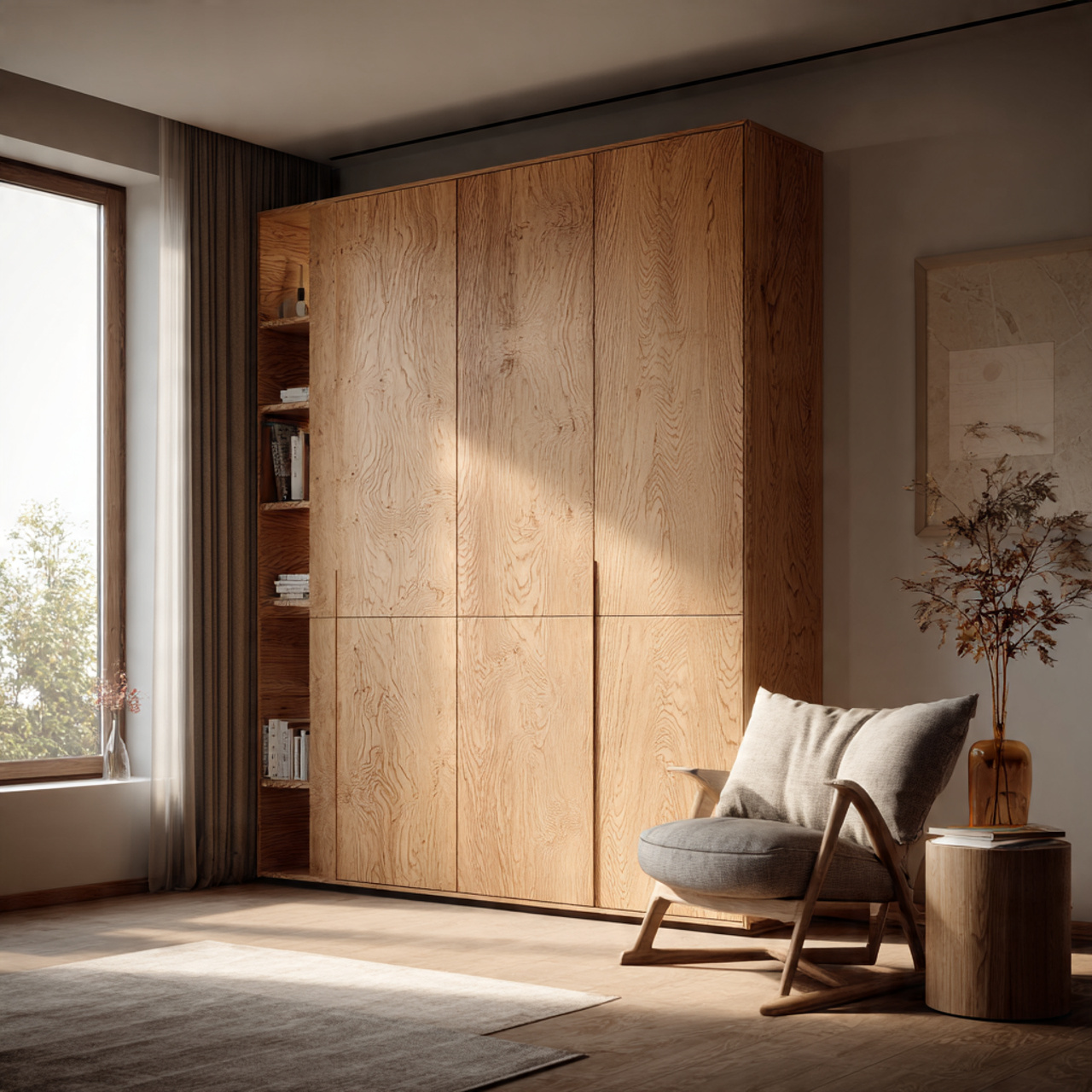
Built-in or concealed storage keeps visual clutter low, helping the bedroom feel calmer and more intentional.
Bedroom Design Foundations That Support Deep Rest
Before choosing decor, focus on these core bedroom principles. They shape how calm, comfortable, and restorative your space actually feels.
Bed Placement & Flow
- Position the bed so it’s easily accessible from both sides.
- Avoid placing the bed directly under windows if possible.
- Maintain clear walking paths to reduce visual and physical clutter.
Rule: The bed should feel grounded — never squeezed or floating.
Lighting for Wind-Down
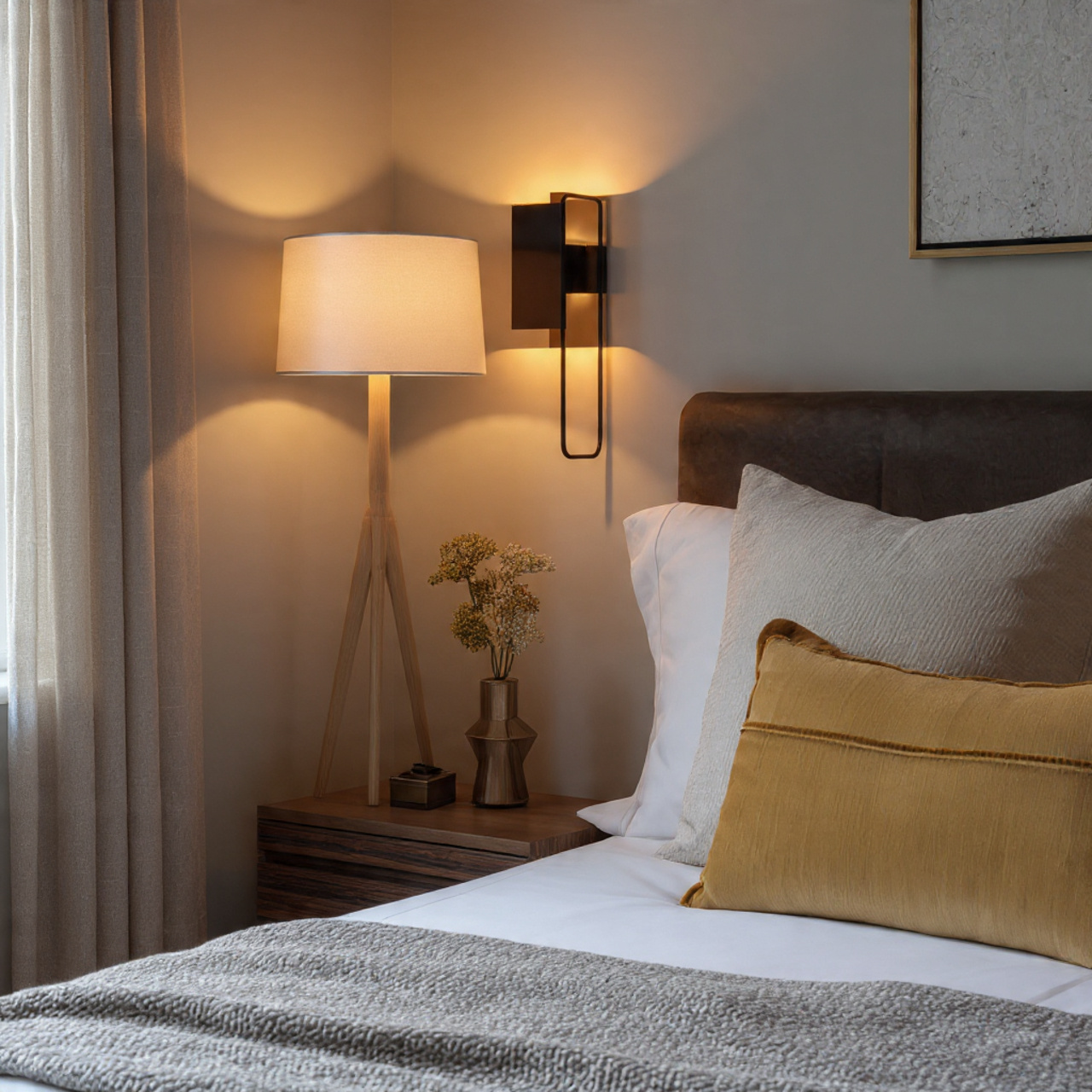
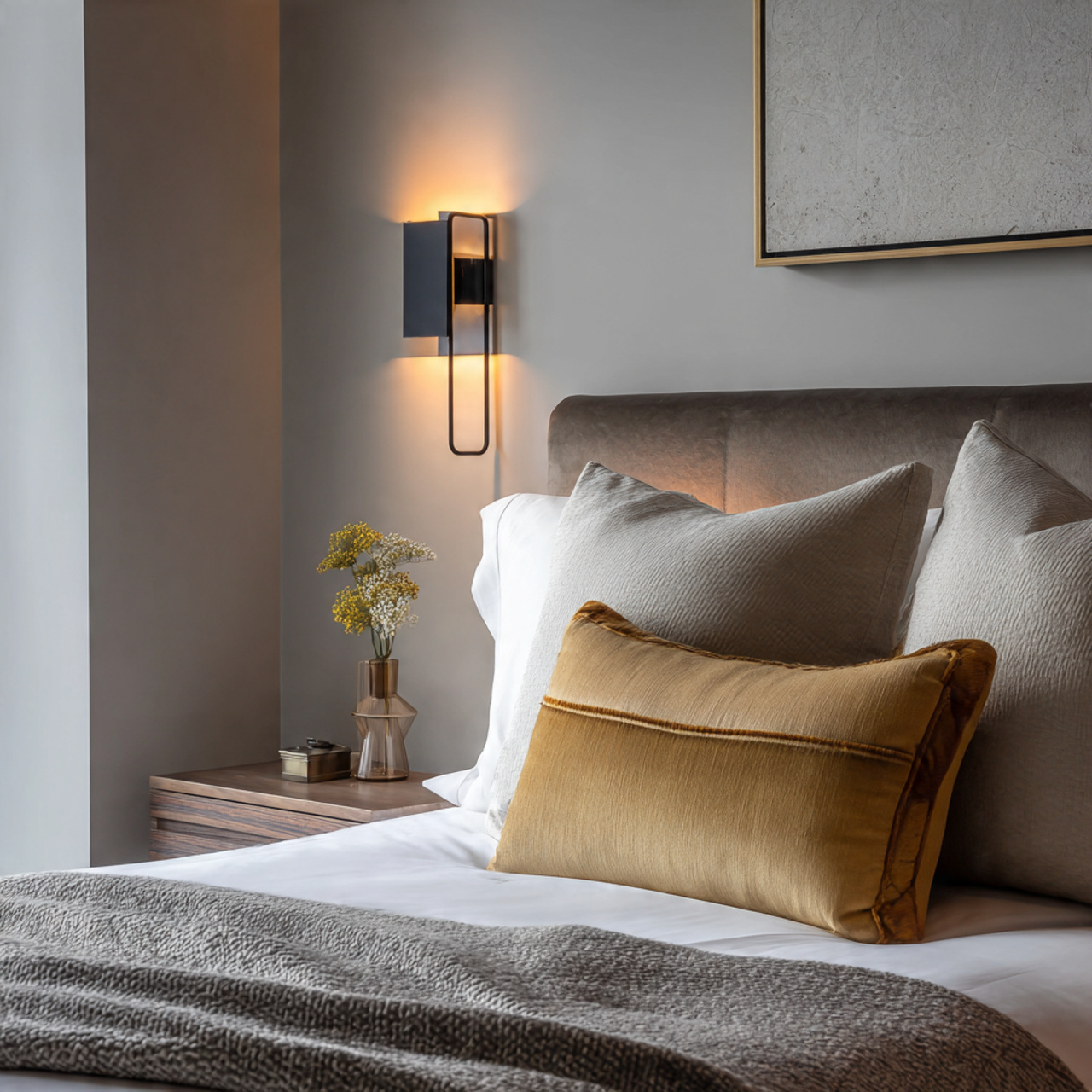
- Use warm, low-glare lighting near the bed.
- Layer lighting instead of relying on a single overhead source.
- Choose bedside lamps that allow reading without harsh brightness.
Rule: If the lighting feels energizing at night, it’s wrong for a bedroom.
Texture & Layering
- Combine soft fabrics like cotton, linen, and wool.
- Layer bedding to add depth and everyday comfort.
- Introduce texture through rugs, throws, and upholstered pieces.
Rule: Texture creates comfort before color ever does.
Choose a Bedroom Style That Matches How You Want to Feel
Each bedroom style below supports rest in a different way. Choose the direction that reflects your personality, routine, and how you want your bedroom to feel at the end of the day.
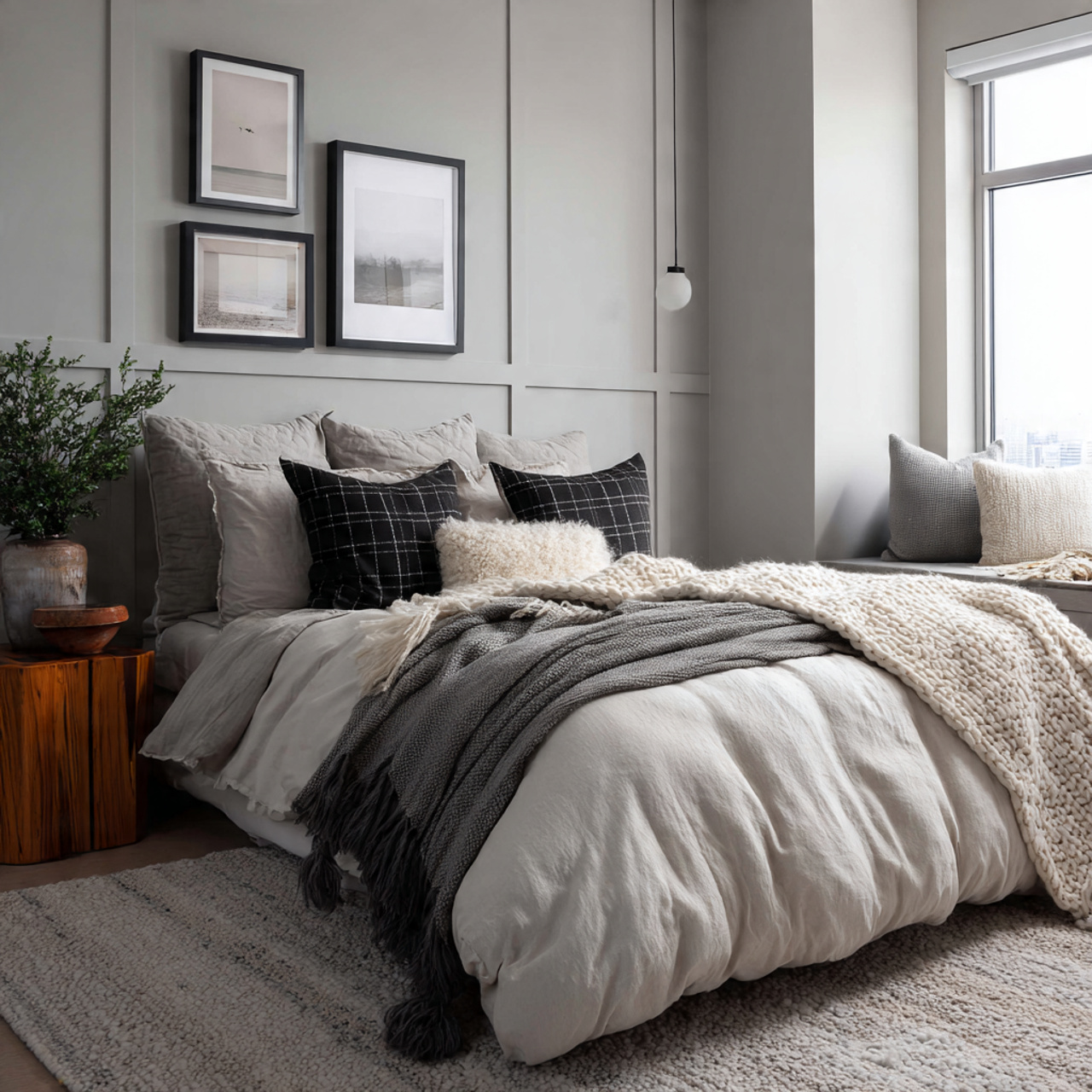
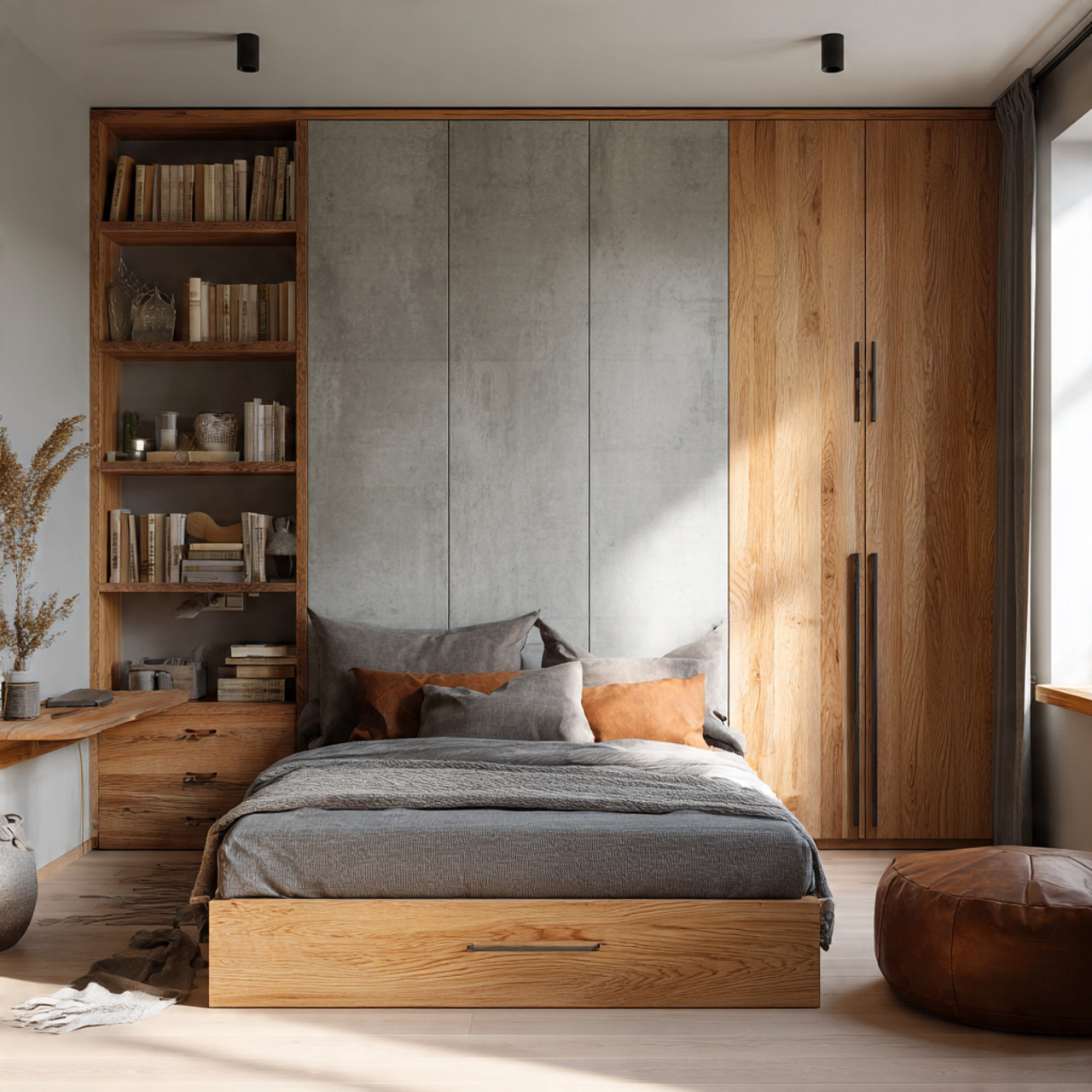
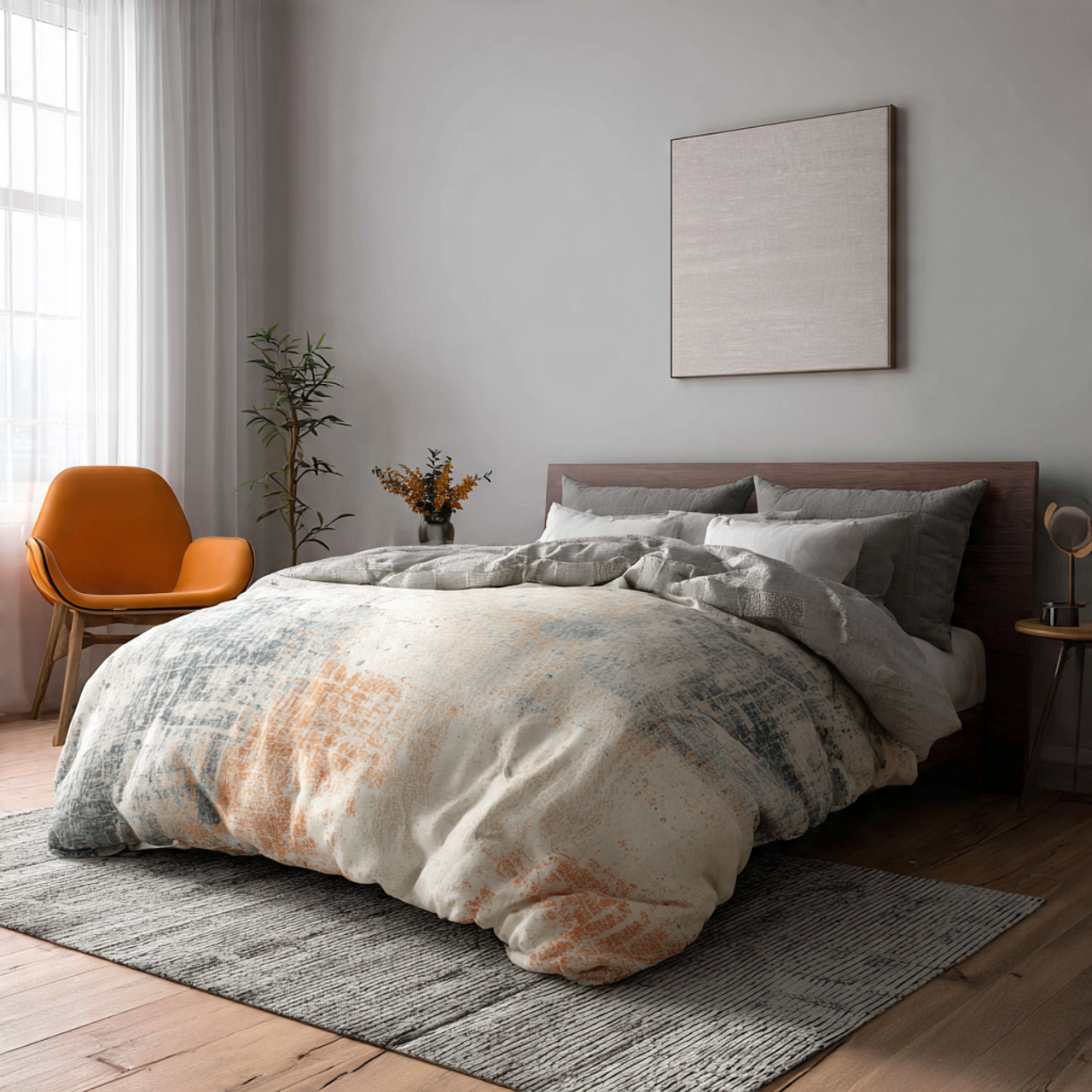
Style 1: Minimal Neutral
Soft neutrals, clean lines, and restrained decor create a bedroom that feels open, quiet, and mentally calming.
Best for:
Small bedrooms and people who feel overwhelmed by visual clutter.
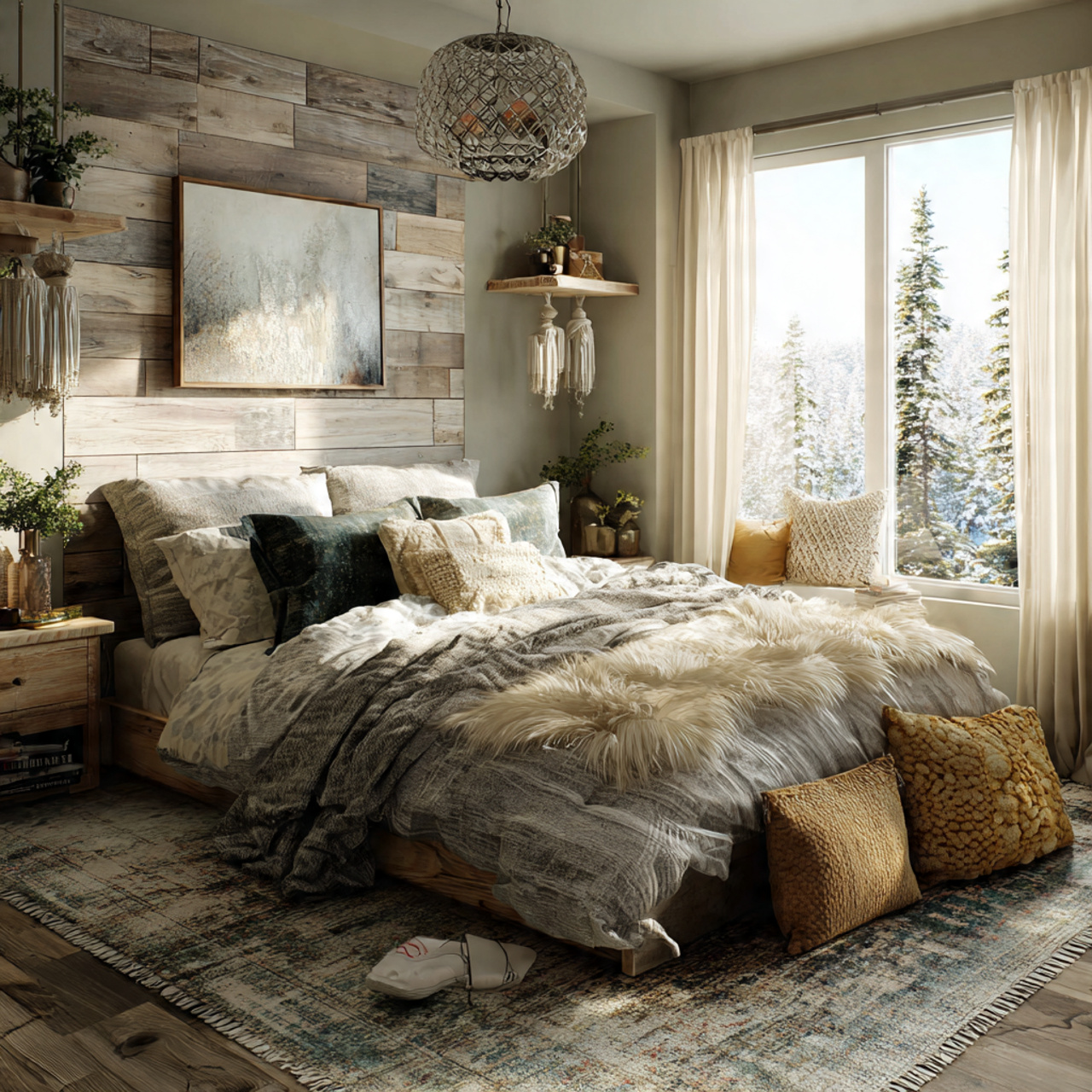
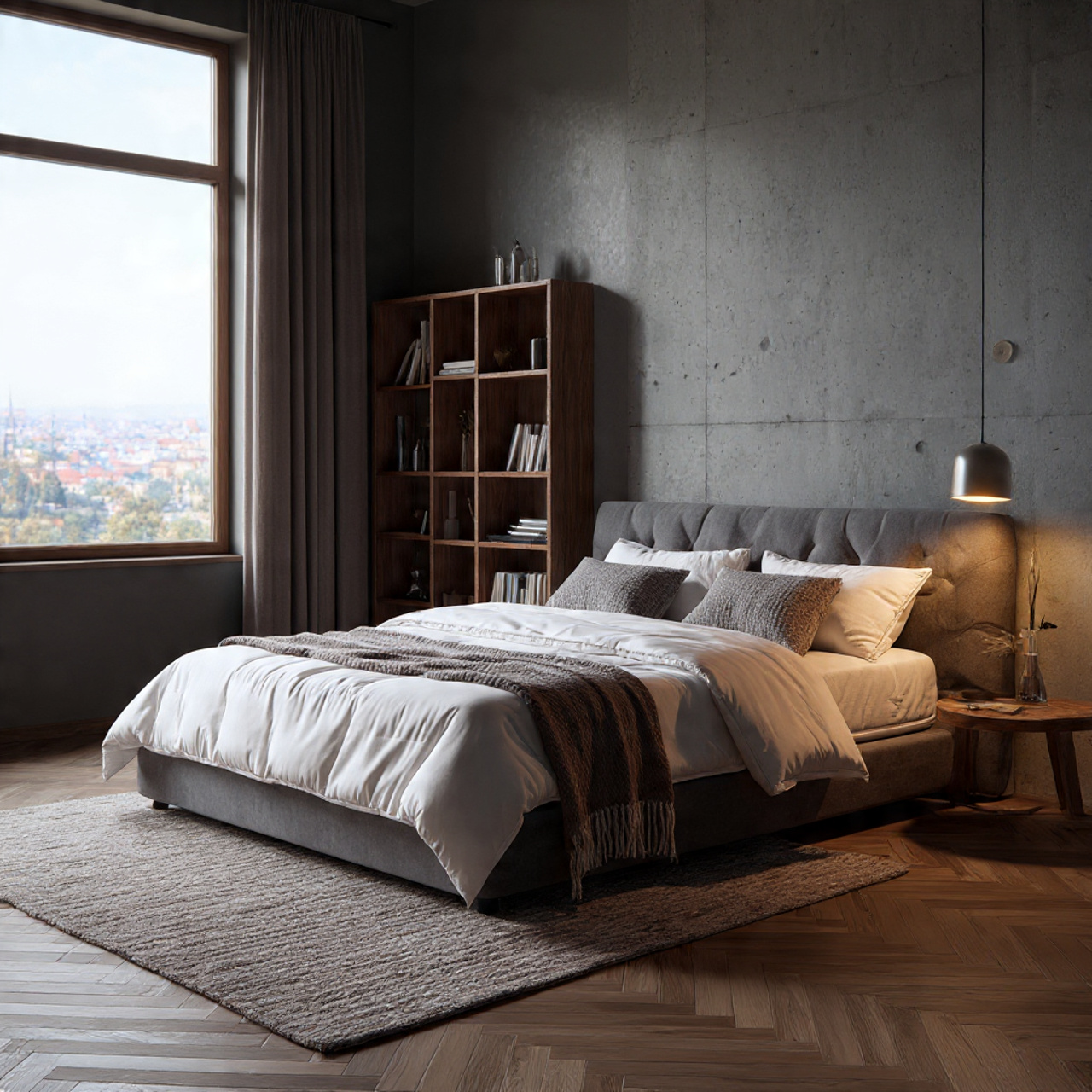
Style 2: Cozy Layered
Layered bedding, warm lighting, and tactile fabrics create a bedroom that feels inviting, comfortable, and emotionally warm.
Best for:
Everyday comfort and bedrooms used for relaxation beyond sleep.
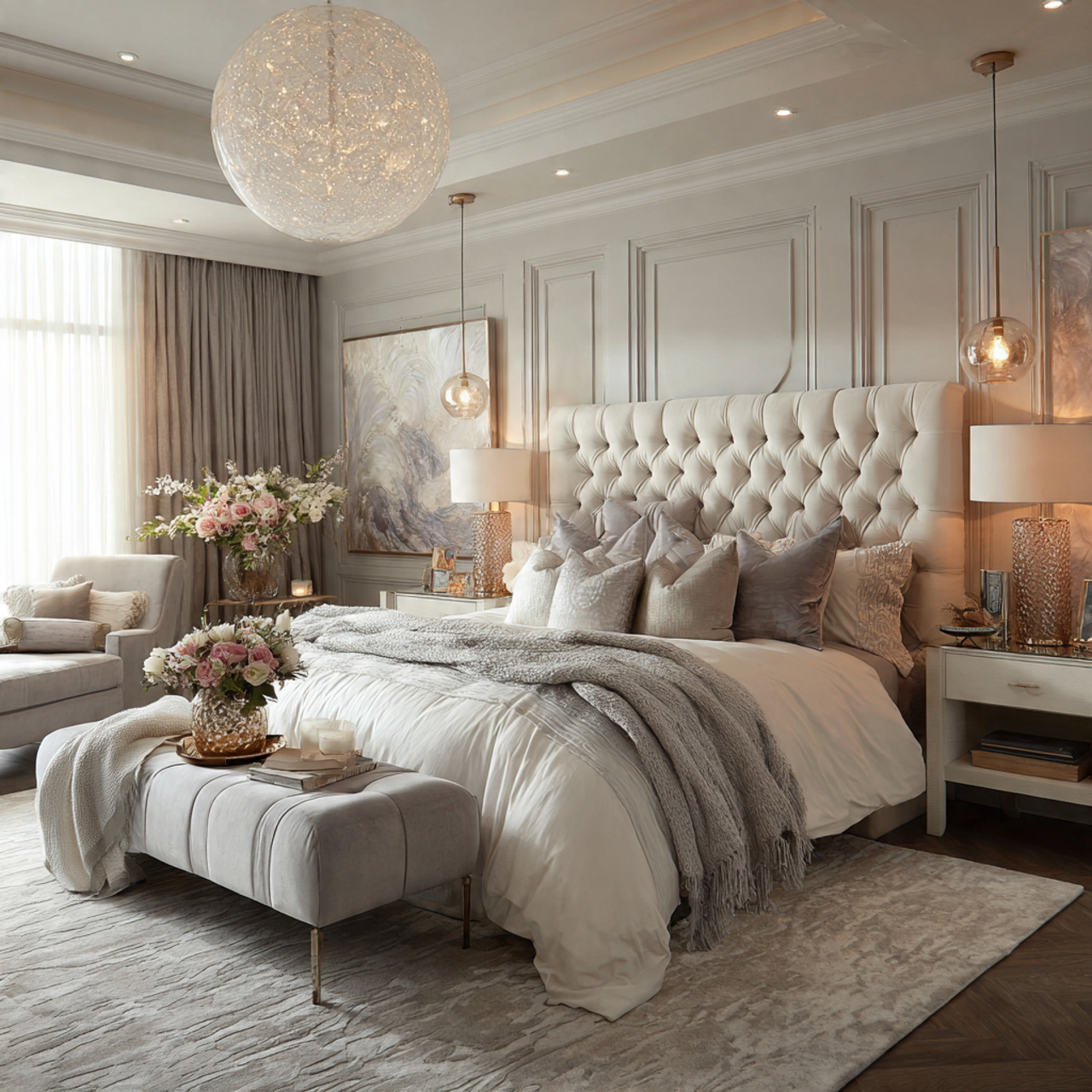
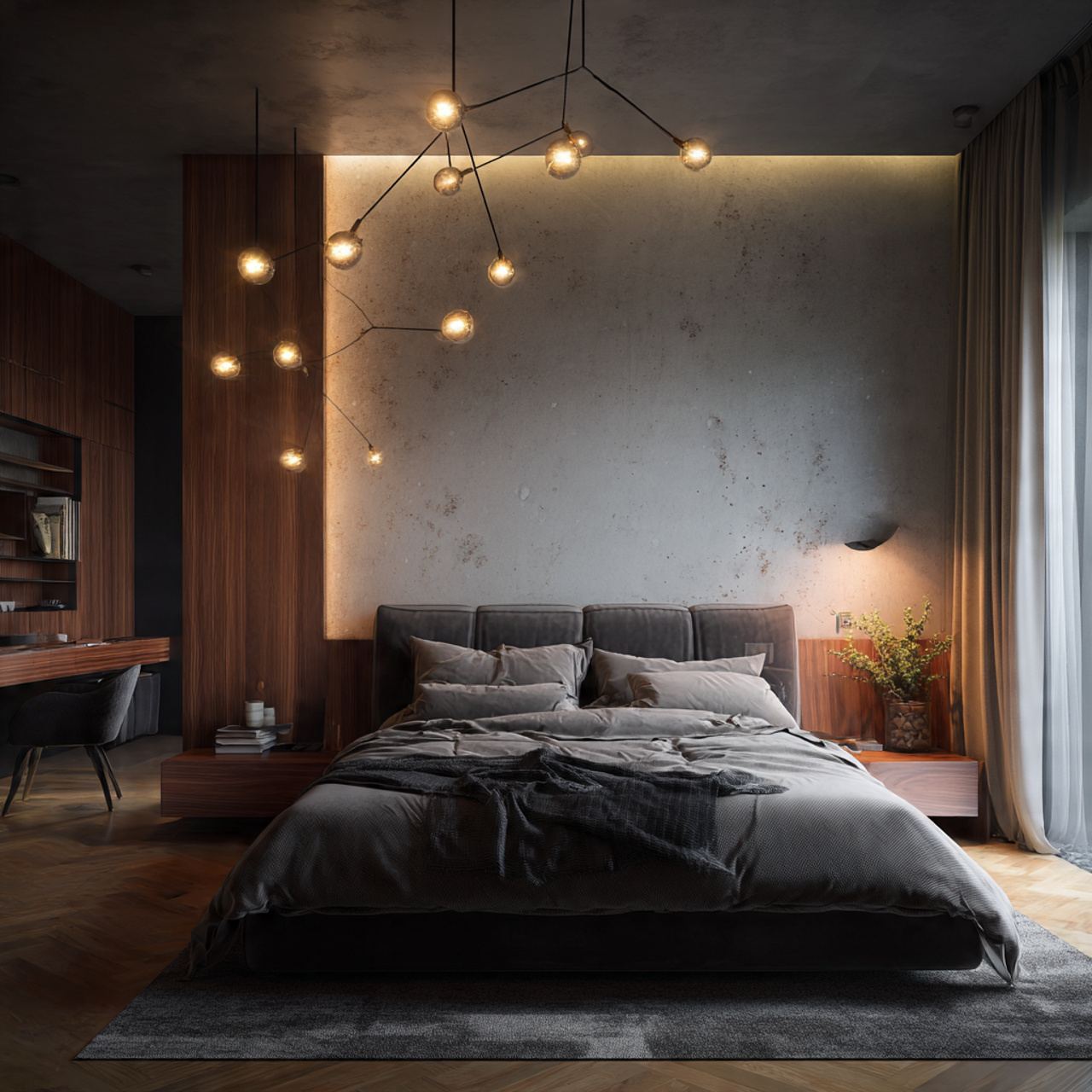
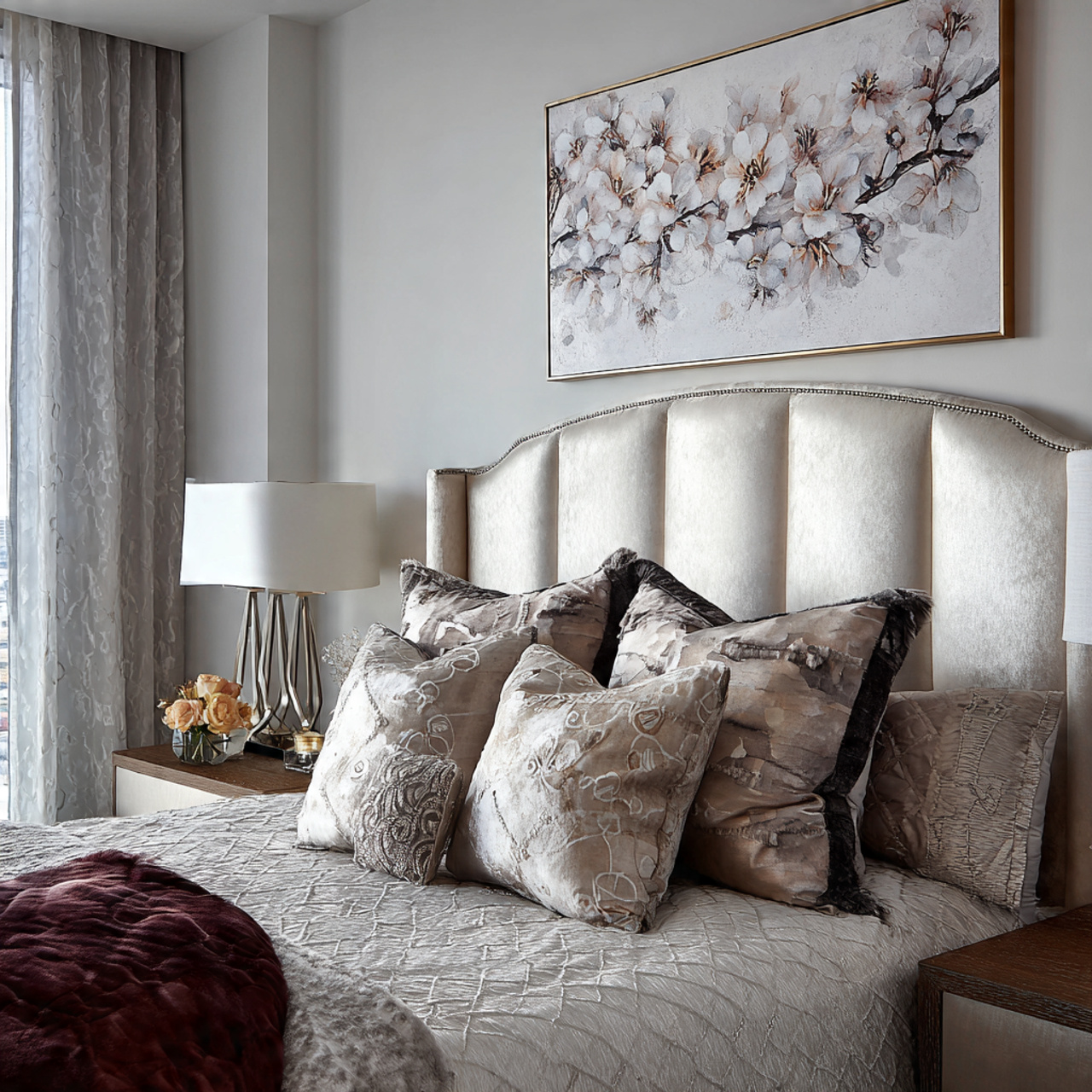
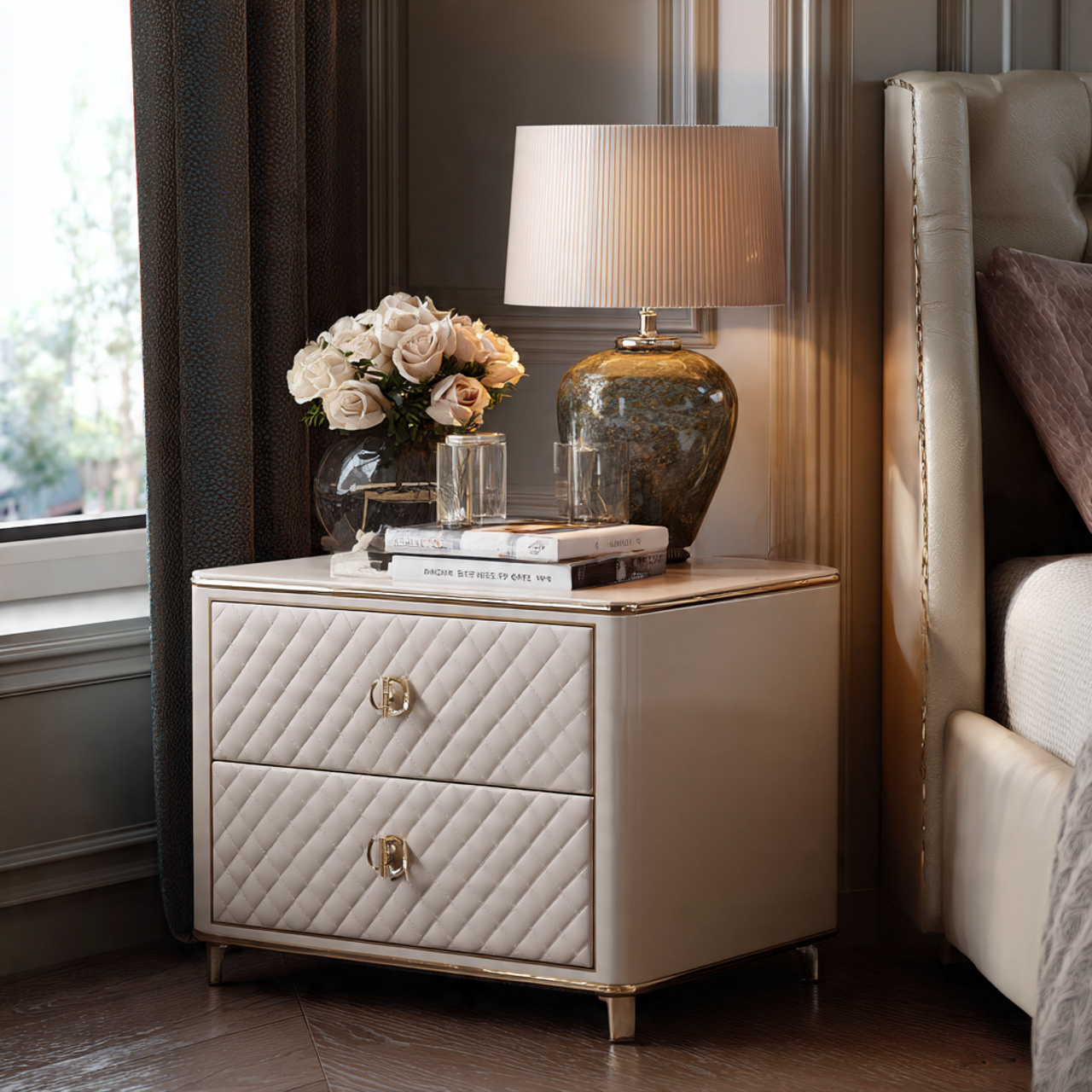
Style 3: Soft Luxe
Plush textures, refined finishes, and balanced neutrals create a bedroom that feels elegant without sacrificing comfort.
Best for:
Those who enjoy a hotel-inspired, polished atmosphere at home.
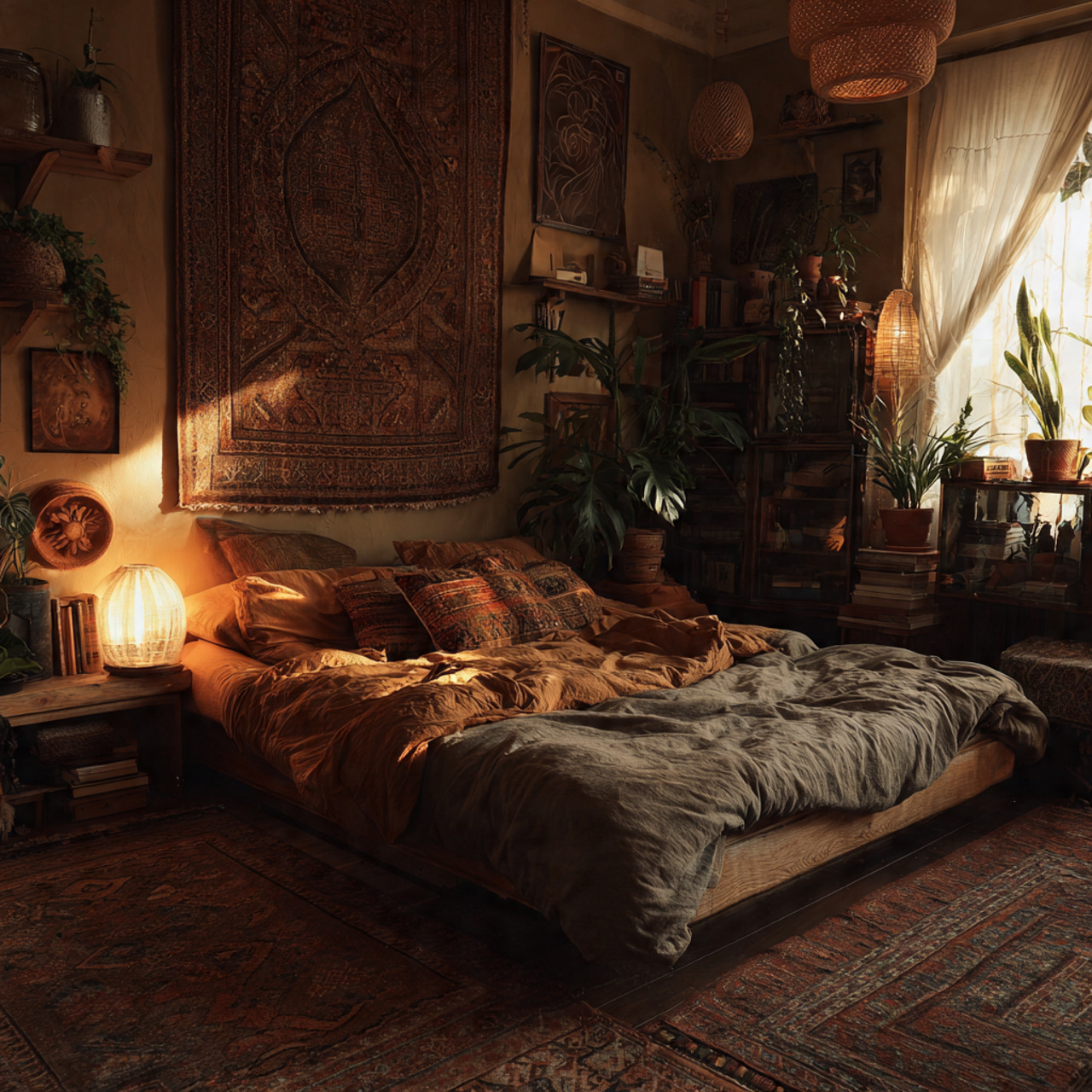
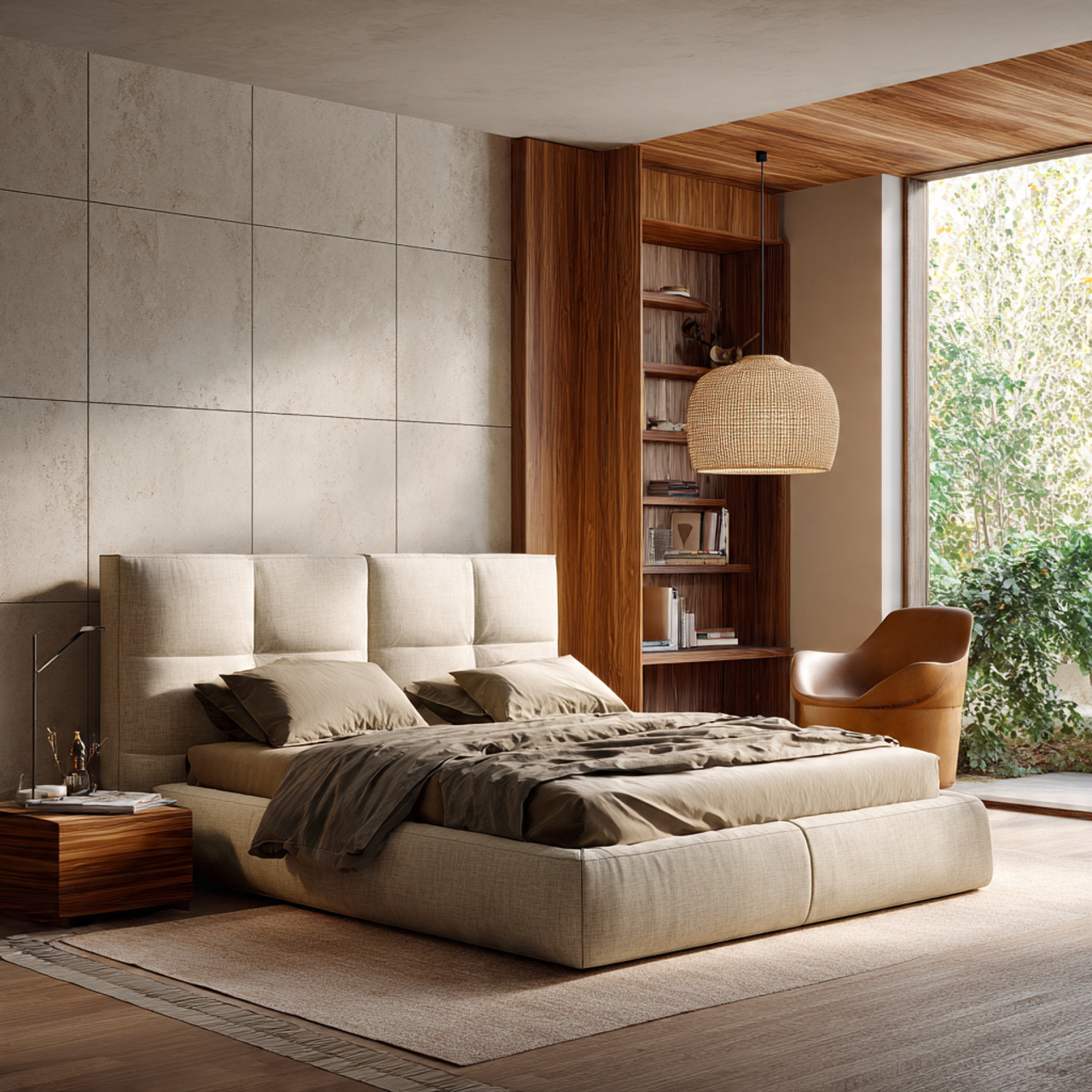
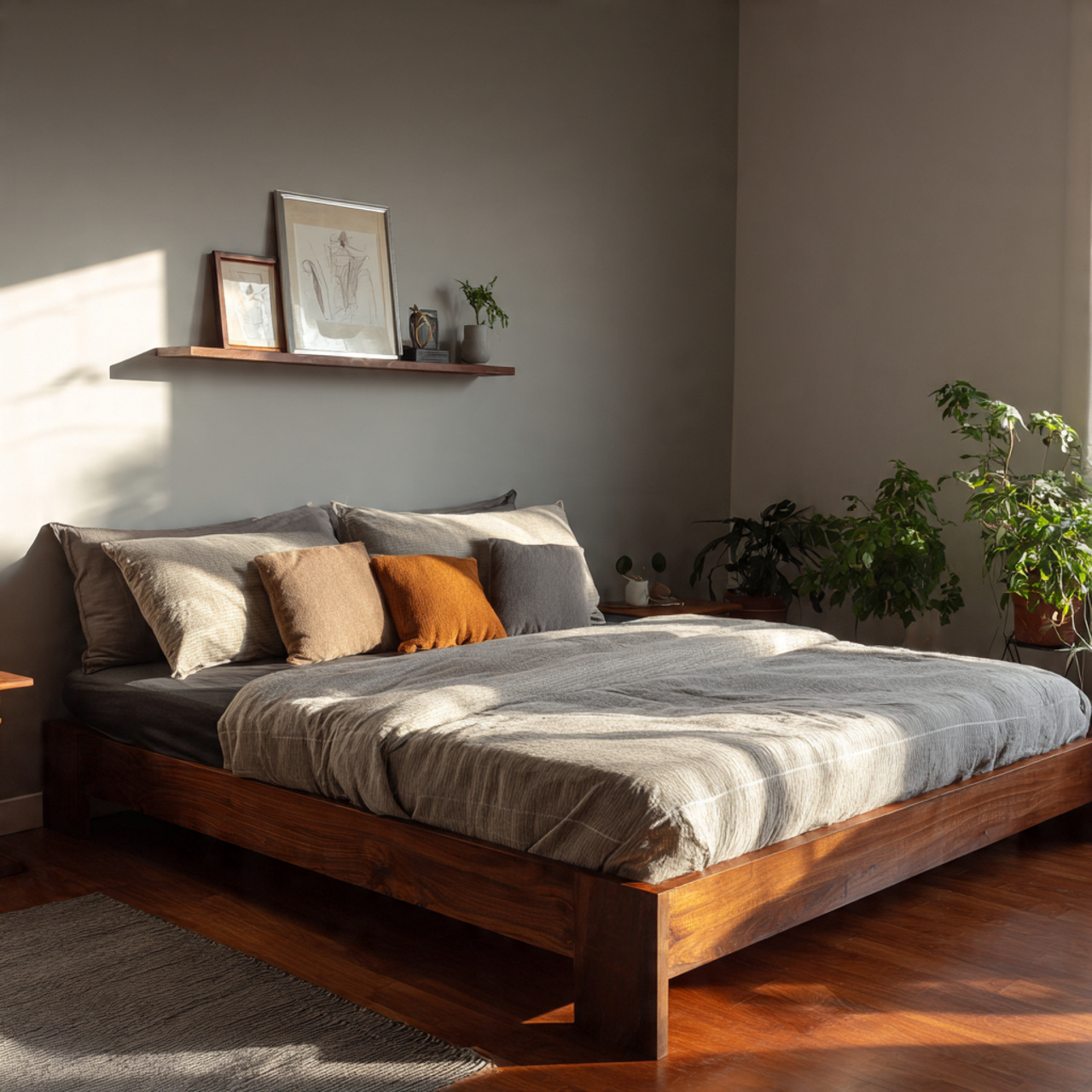
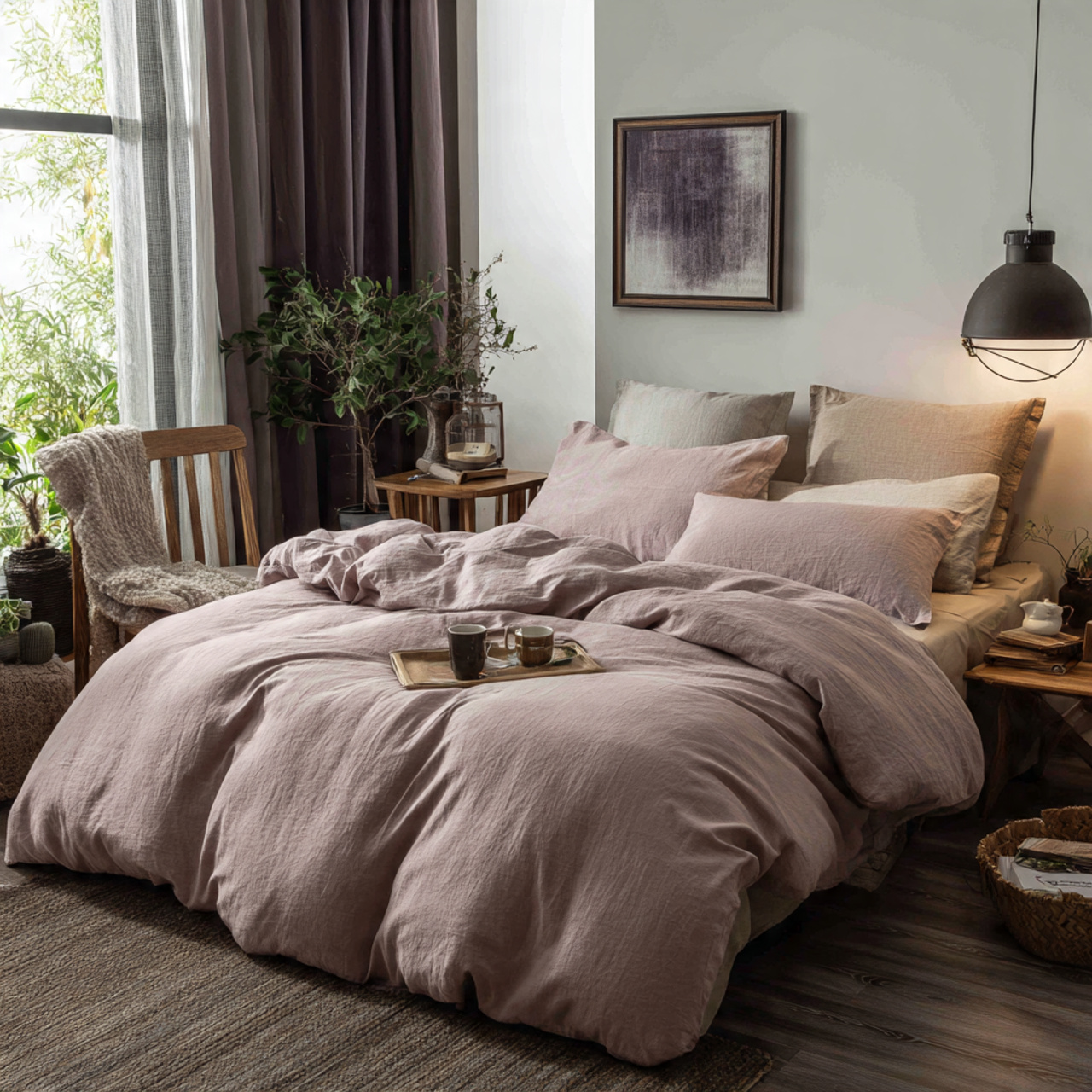
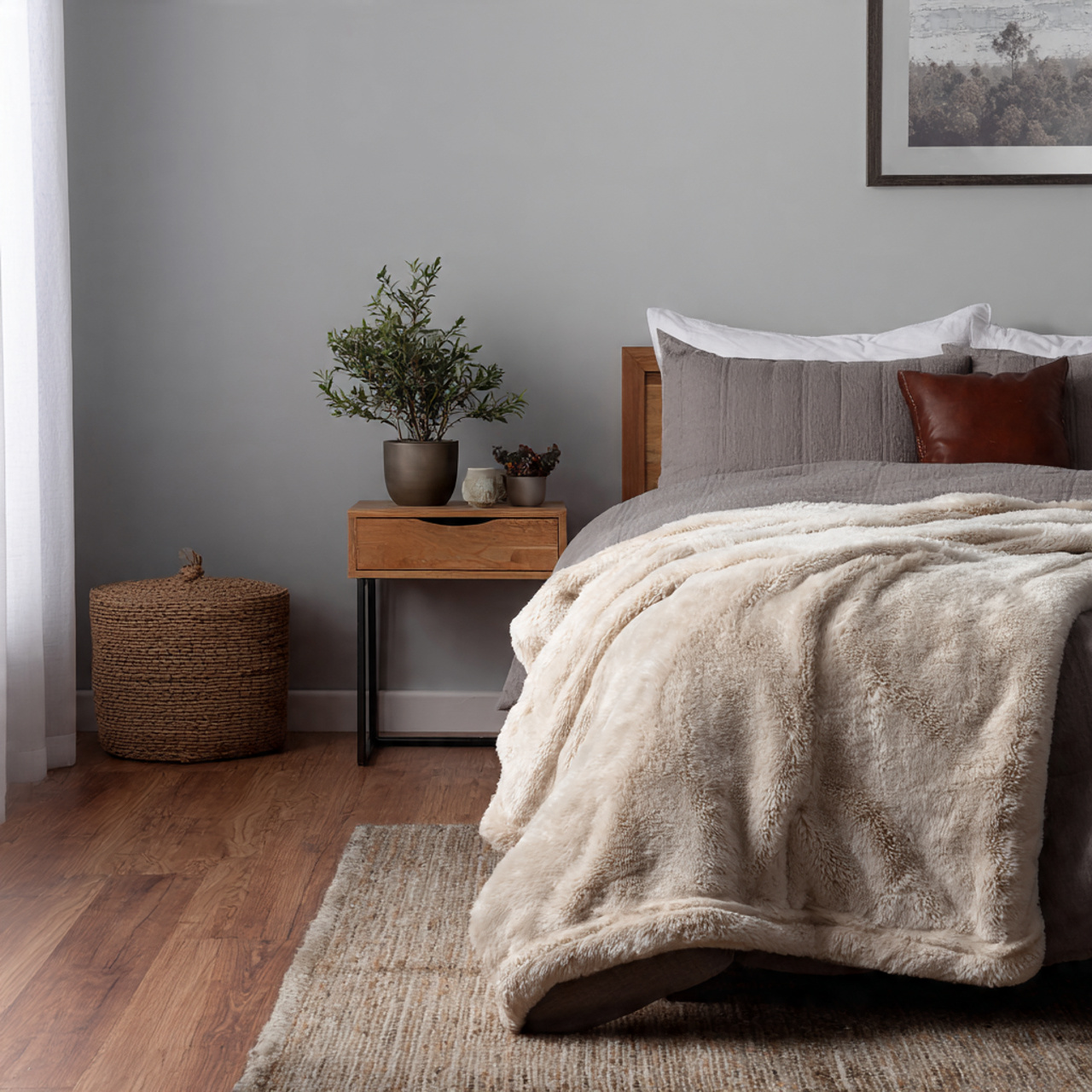
Style 4: Warm Earthy
Natural materials, earthy tones, and organic textures create a grounded, soothing bedroom connected to nature.
Best for:
People drawn to natural elements, slow living, and relaxed spaces.
How to Choose the Right Bedroom Essentials
Buying bedroom decor is different from other rooms. Comfort, rest, and long-term use matter more than trends or quick visual impact.
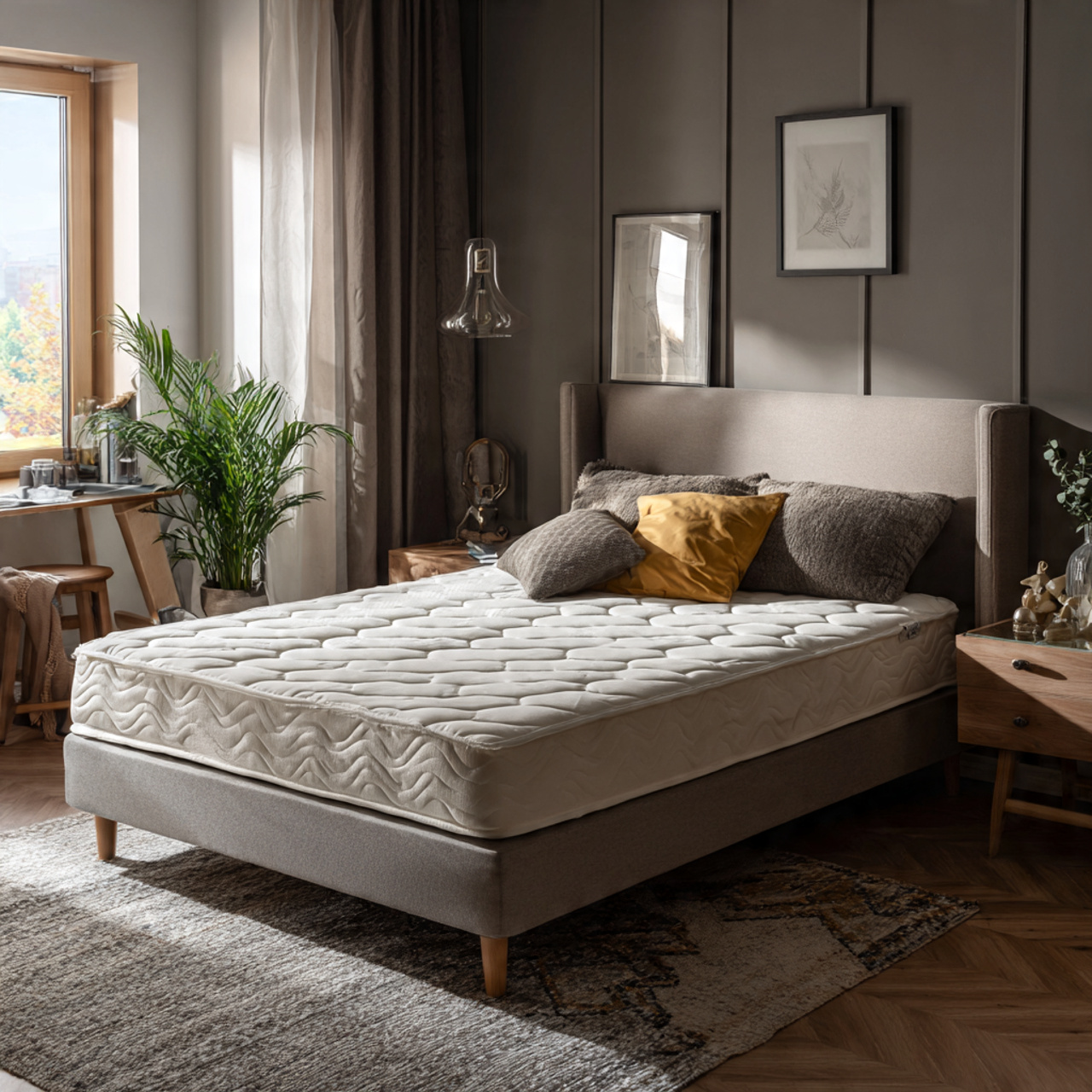
Bed & Mattress
Your bed is the most important element in the room. Everything else supports it.
- Look for:
- A mattress that suits your sleeping position
- A bed frame that feels solid and quiet
- Headboards that support comfort, not just style
Avoid:
Choosing looks over comfort
Beds that are too large for the room
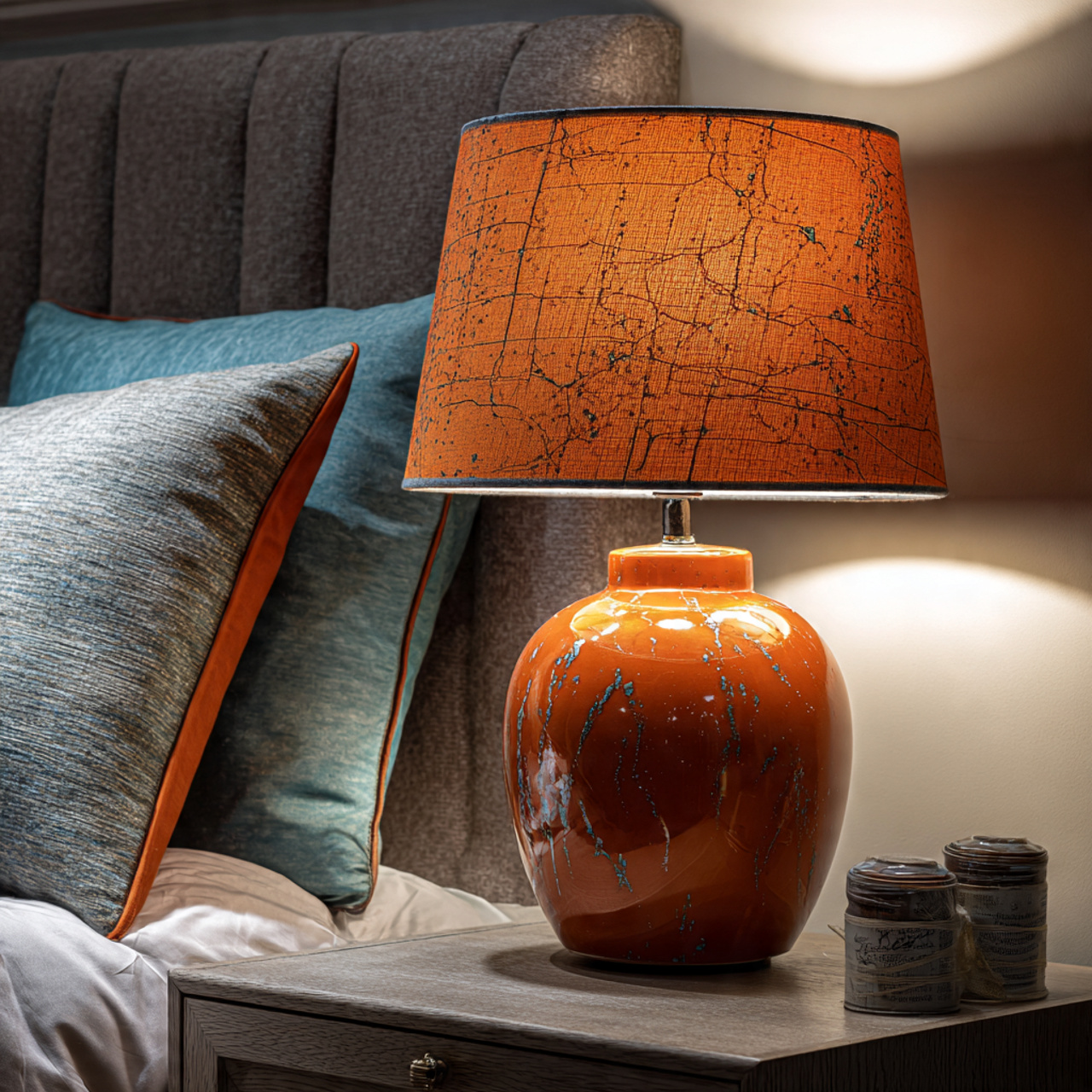
Bedroom Lighting
Lighting directly affects how easily you wind down at night.
- Look for:
- Warm, low-glare bedside lighting
- Adjustable lamps for reading
- Soft ambient light for evenings
Avoid:
Cool white bulbs
Relying only on ceiling lights
Bedding & Soft Layers
Soft layers add both comfort and visual calm.
- Look for:
- Breathable fabrics like cotton or linen
- Layered bedding for seasonal comfort
- Neutral tones that feel restful
Avoid:
Heavy synthetic fabrics
Overly bold patterns near the bed
Storage & Furniture
Clutter disrupts rest more than most people realize.
- Look for:
- Concealed or built-in storage
- Nightstands sized to bed height
- Furniture that leaves visual space
Avoid:
Overfilling the room
Too many mismatched pieces
Ravnora Curated Bedroom Picks
Sleep-first bedroom essentials selected for comfort, calm, and everyday use—easy to mix into a restful space.
BEDS & MATTRESSES
Foundational pieces that support sleep quality and long-term comfort.
BEDROOM LIGHTING
Lighting that helps you wind down without harsh glare.
BEDDING & SOFT LAYERS
Breathable, comfortable layers that feel good night after night.
STORAGE & ESSENTIALS
Calm the room by reducing visible clutter.
Common Bedroom Decor Mistakes to Avoid
Bedrooms affect rest more than any other room. Avoid these mistakes to keep your space calm and restorative.
❌ Mistake 1: Choosing Style Over Comfort
A beautiful bed that’s uncomfortable defeats the purpose of a bedroom.
Fix: Prioritize mattress quality and supportive bedding first.
❌ Mistake 2: Harsh or Cool Lighting
Bright, cool lights disrupt wind-down routines.
Fix: Use warm, layered lighting near the bed.
❌ Mistake 3: Overcrowding the Room
Too much furniture creates visual stress.
Fix: Keep only what you use daily.
❌Mistake 4: Ignoring Storage Needs
Visible clutter breaks calm.
Fix: Choose concealed or built-in storage.
❌Mistake 5: Overusing Bold Patterns
Busy patterns near the bed reduce restfulness.
Fix: Keep patterns subtle and textures soft. how to design this section
Save This Bedroom Guide for Later
Designing a bedroom takes time. Save this guide to revisit calm layouts, comfort tips, and curated picks when you’re ready.
Explore More Bedroom-Related Ideas
Lighting & Lamps —
Create soft, layered bedroom lighting.
Explore →
Rugs & Carpets —
Add warmth and softness underfoot.
Explore →
Wall Decor & Mirrors —
Enhance light without clutter.
Explore →
Home Organization —
Keep calm with smart storage.
Explore →
Get Calm Bedroom Styling Notes
Practical tips, comfort-first ideas, and calm bedroom guidance—sent occasionally, no noise.
Bedroom Decor FAQs
Q1: What colors are best for a calm bedroom?
Soft neutrals and muted tones reduce visual stimulation and support rest.
Q2: How many lights should a bedroom have?
At least two layers: bedside lighting and ambient light, plus optional accent lighting.
Q3: How do I make a small bedroom feel bigger?
Use fewer pieces, lighter colors, and concealed storage.
Q4: Should bedroom decor match the rest of the home?
It should coordinate, not match. Bedrooms benefit from softer contrasts.
Q5: What matters most when decorating a bedroom?
Comfort, lighting, and clutter control—before style accents.
Design a Bedroom That Truly Restores You
A calm bedroom is built through comfort, balance, and restraint—not trends.
Use this guide as a reference and shape your space step by step.