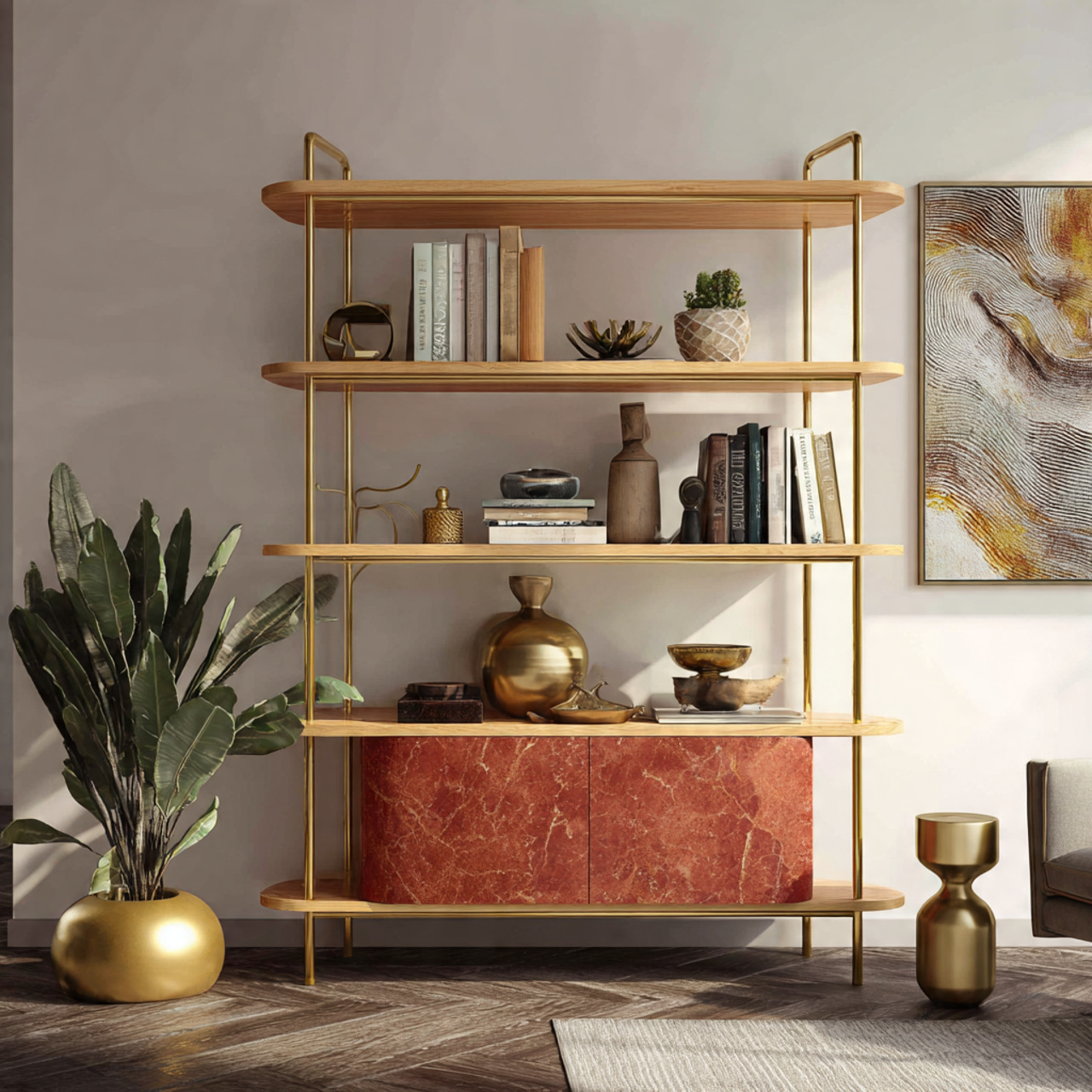
Furniture & Shelving Ideas Designed for Balance, Not Bulk
Explore furniture and shelving ideas that balance storage, scale, and clean design—built to organize spaces without visual overload.
Choose Furniture and Shelving That Fits Your Space
Well-sized furniture and properly supported shelving prevent clutter, sagging, and visual heaviness. Use this snapshot to make confident choices.
Room Scale
Furniture should fit the room’s proportions. Oversized pieces crowd spaces, while undersized pieces feel temporary.
Load & Weight
Shelving must support the items you plan to store—books, decor, or storage bins—without bending or sagging.
Visual Balance
Balance open shelving with closed furniture to avoid a cluttered or unfinished look.
Installation Reality
Wall-mounted pieces require proper anchors and spacing for safe, long-term use.
Furniture & Shelving Foundations That Last
Before choosing layouts or finishes, get these furniture and shelving fundamentals right. They determine stability, safety, and long-term usability.
Structure & Support
- Match shelf thickness to the weight it will carry.
- Use wall studs or proper anchors for mounted units.
- Avoid long spans without middle support.
Rule: If the structure is weak, the design will fail.
Function Before Form
- Decide what the furniture will store before choosing its look.
- Plan shelf height around real items, not decor props.
- Prioritize usability over trends.
Rule: Furniture that looks good but stores nothing is wasted space.
Consistency & Repeatability
- Repeat shelf sizes and furniture profiles across rooms.
- Keep materials and finishes consistent for visual calm.
- Design systems that scale easily as needs grow.
Rule: Repetition creates order and long-term flexibility.
Choose a Furniture & Shelving Layout That Actually Works
These layouts focus on balance, load support, and everyday usability. Choose the structure that fits your walls, storage needs, and room scale.
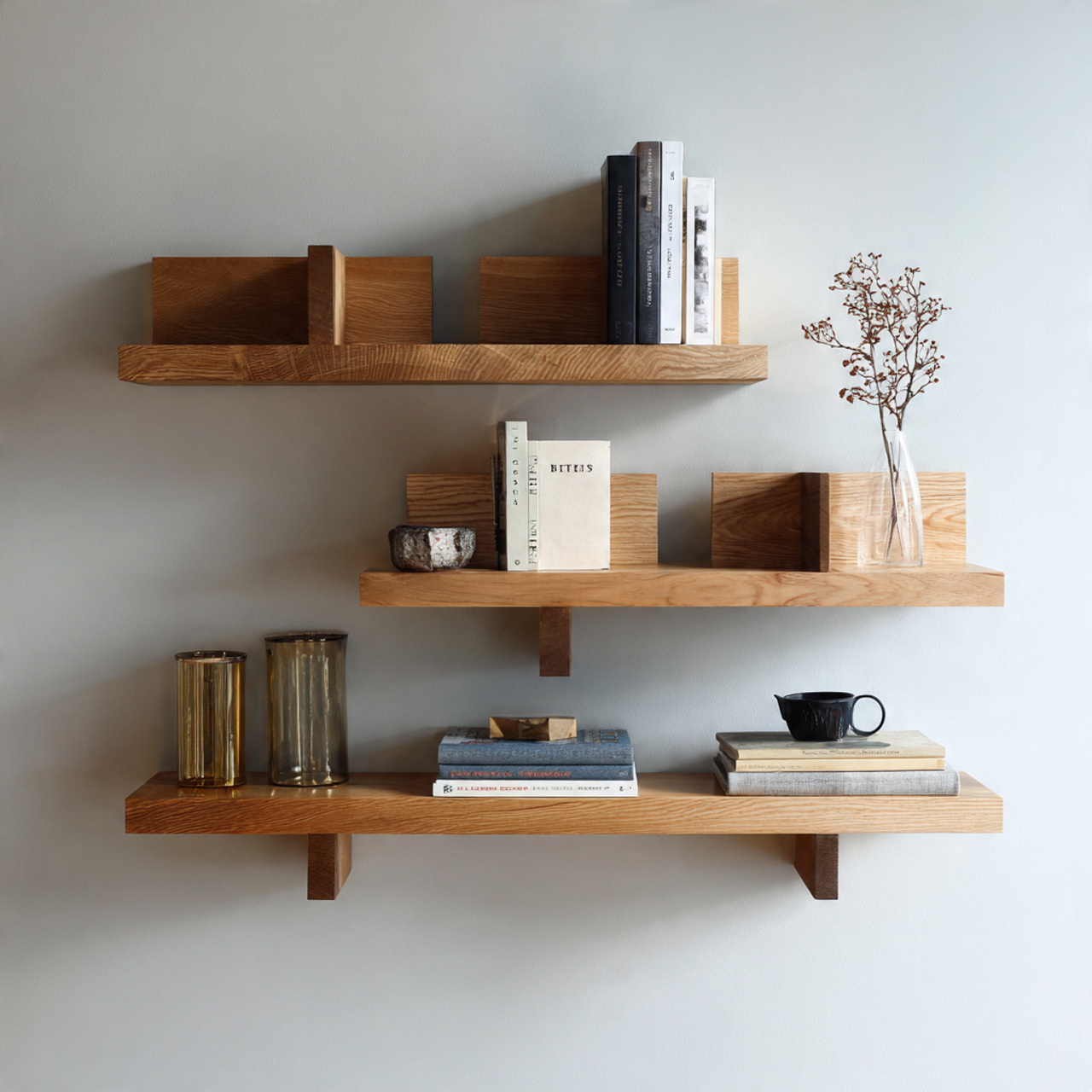
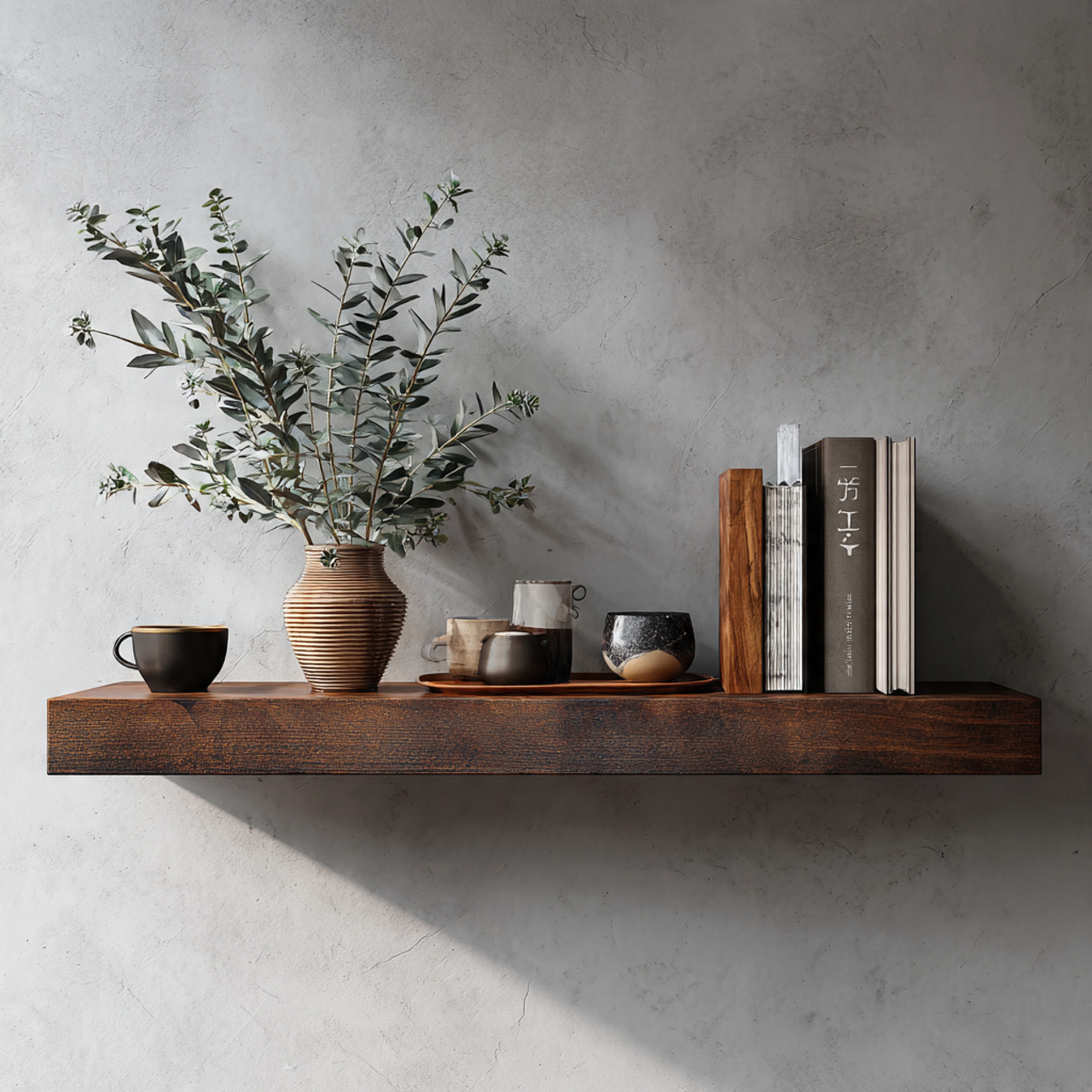
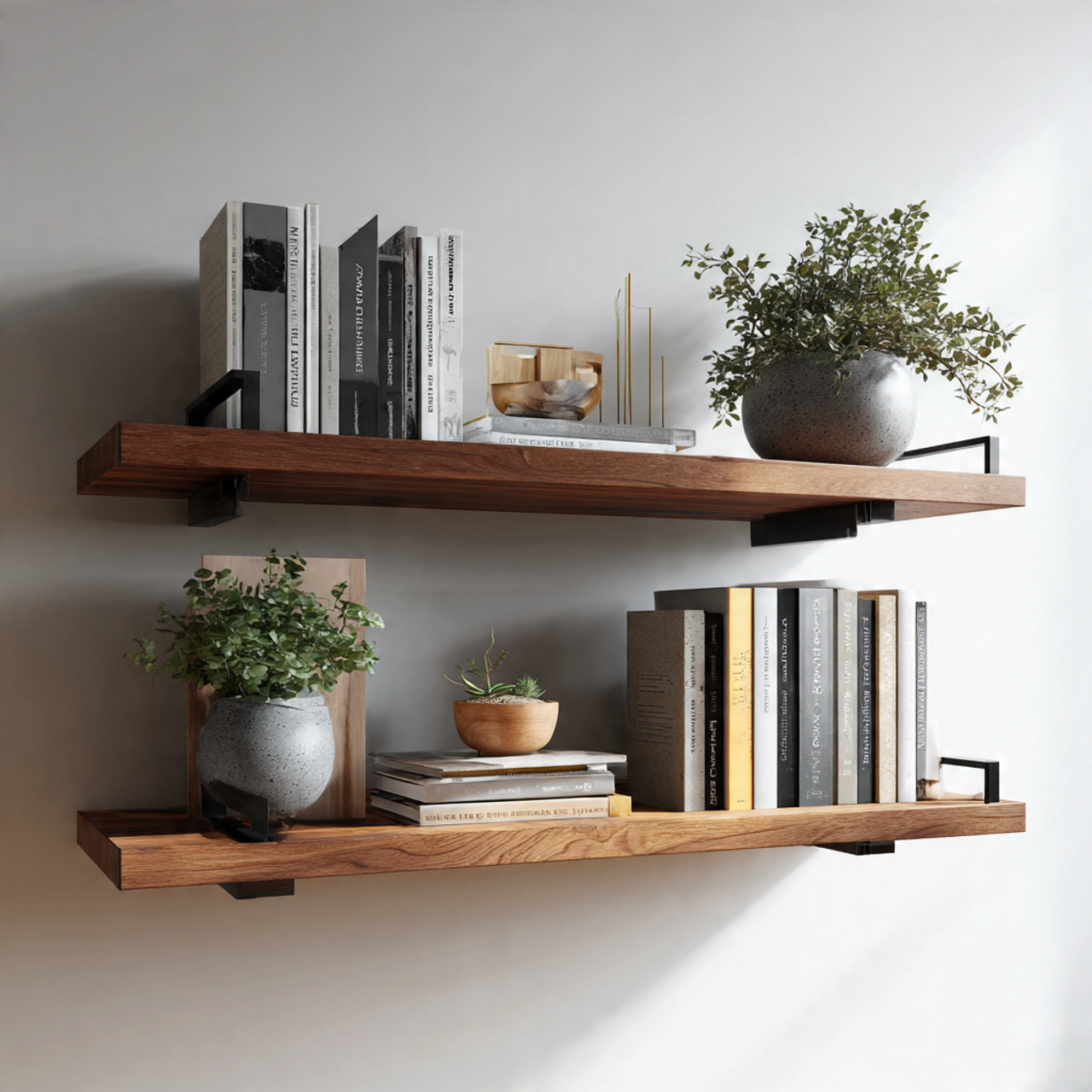
Wall-Mounted Shelving
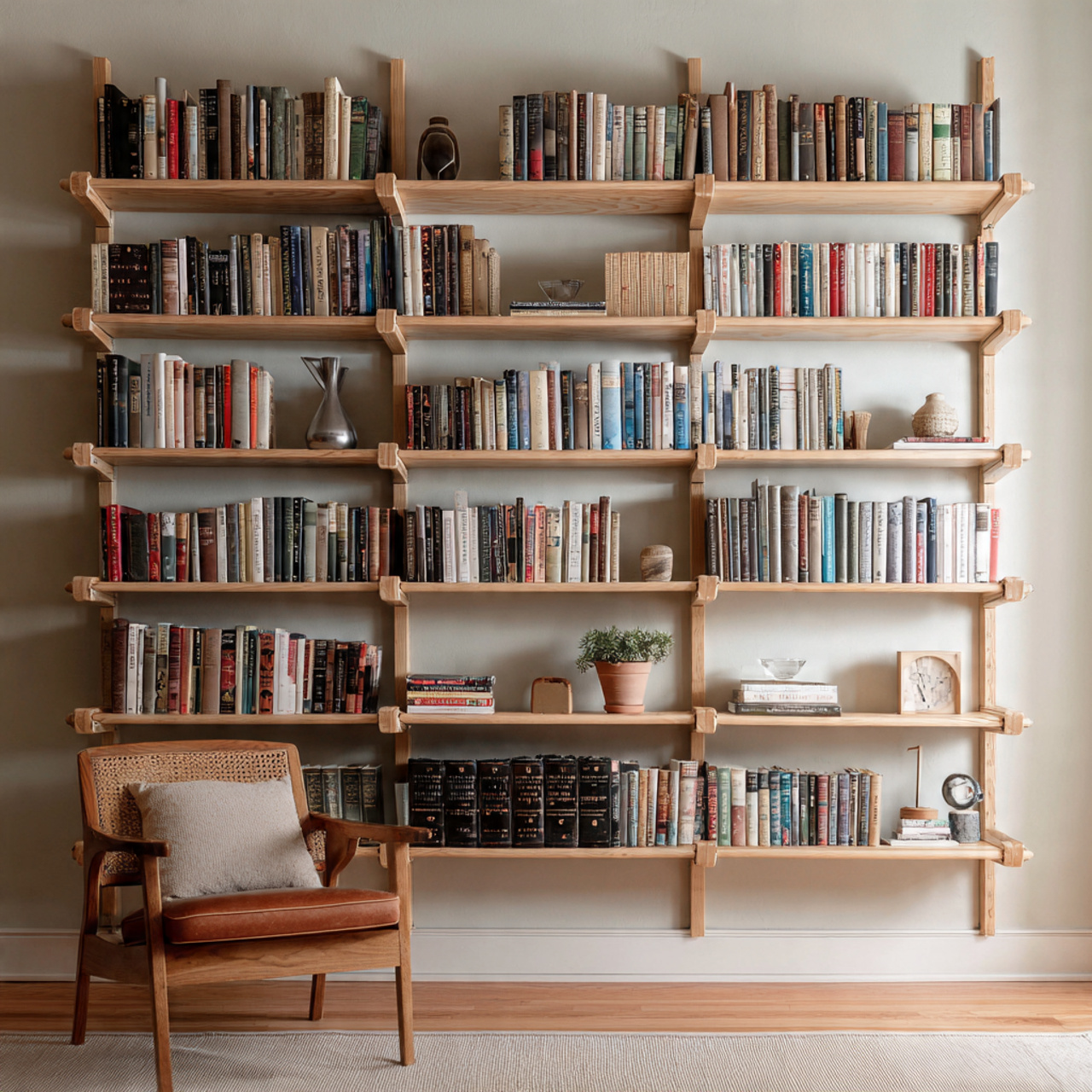
Shelves fixed to walls create vertical storage without occupying floor space.
Best for:
Small rooms and apartments needing visual openness.
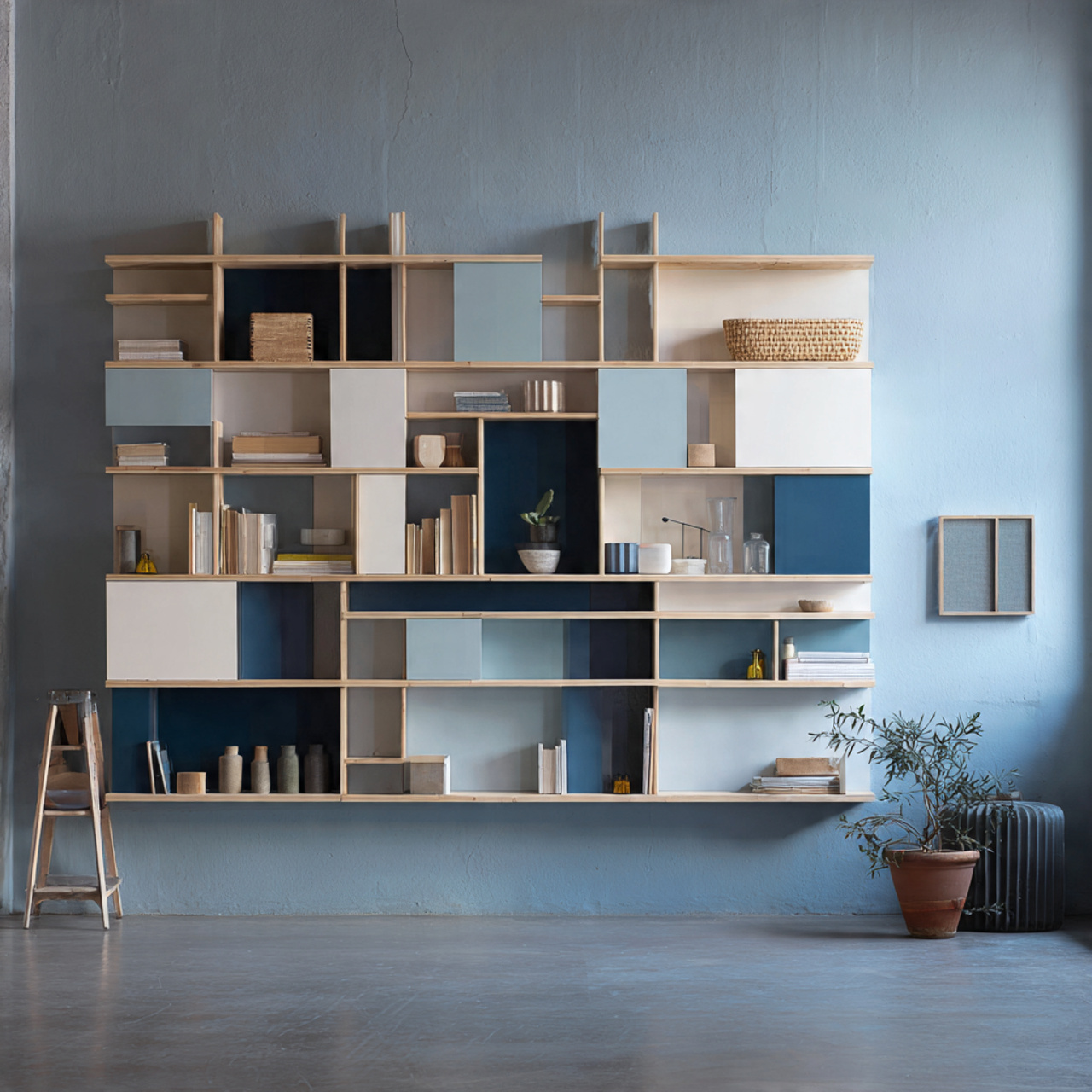
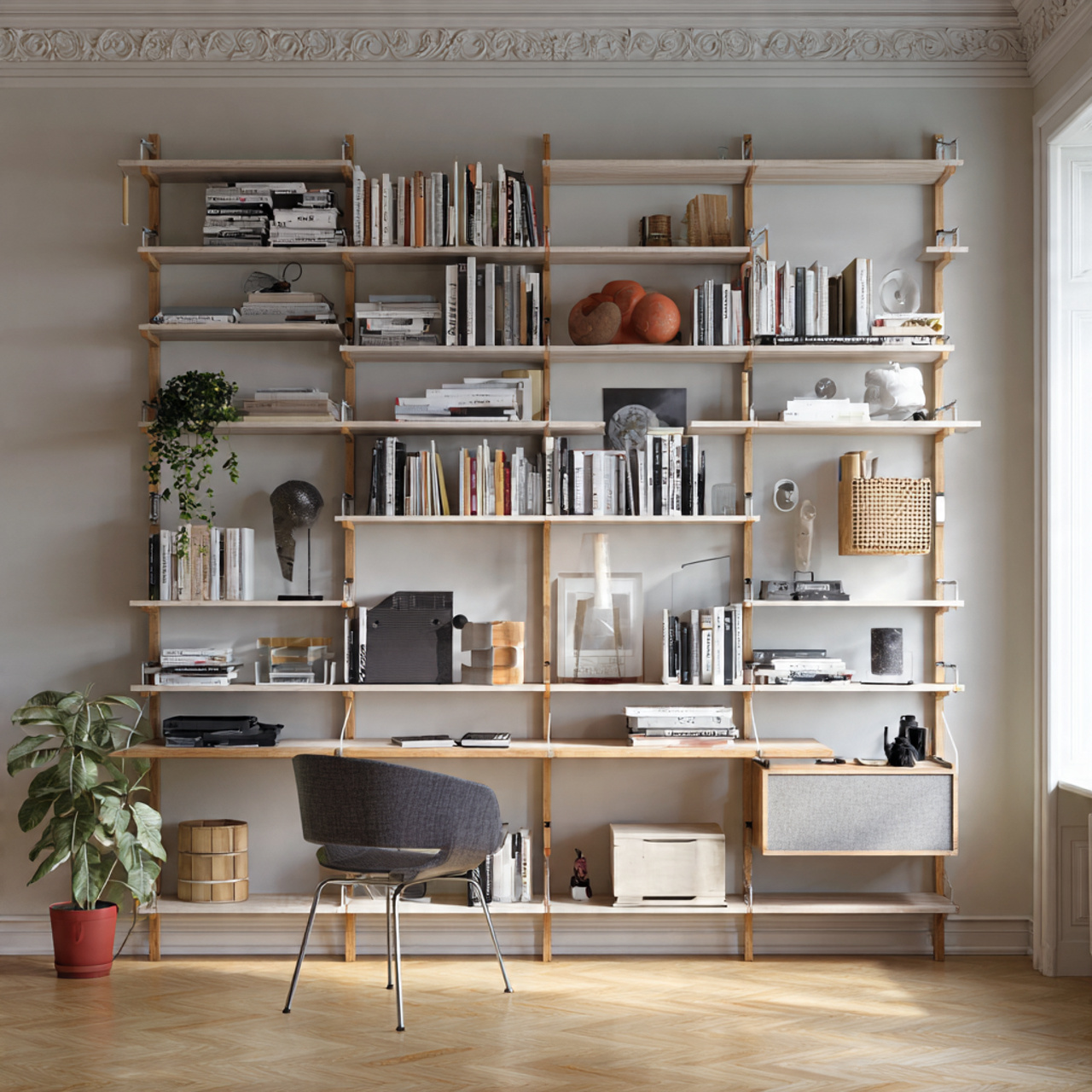
Modular Shelving Systems
Configurable units adapt as storage needs change and grow.
Best for:
Home offices, living rooms, and evolving storage needs.
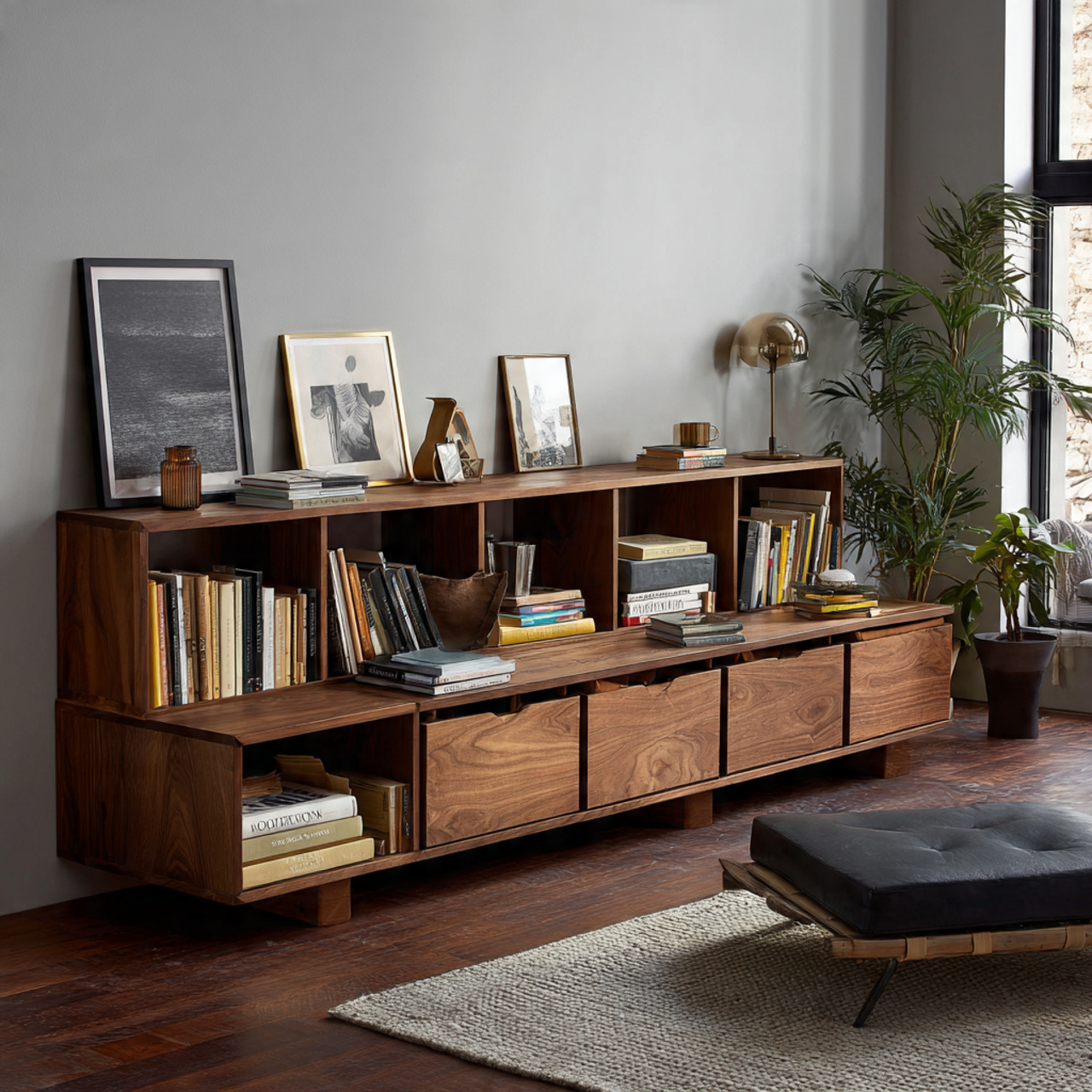
Low-Profile Storage
Short shelving and furniture keep rooms visually light and balanced.
Best for:
Rooms with low ceilings or minimalist interiors.
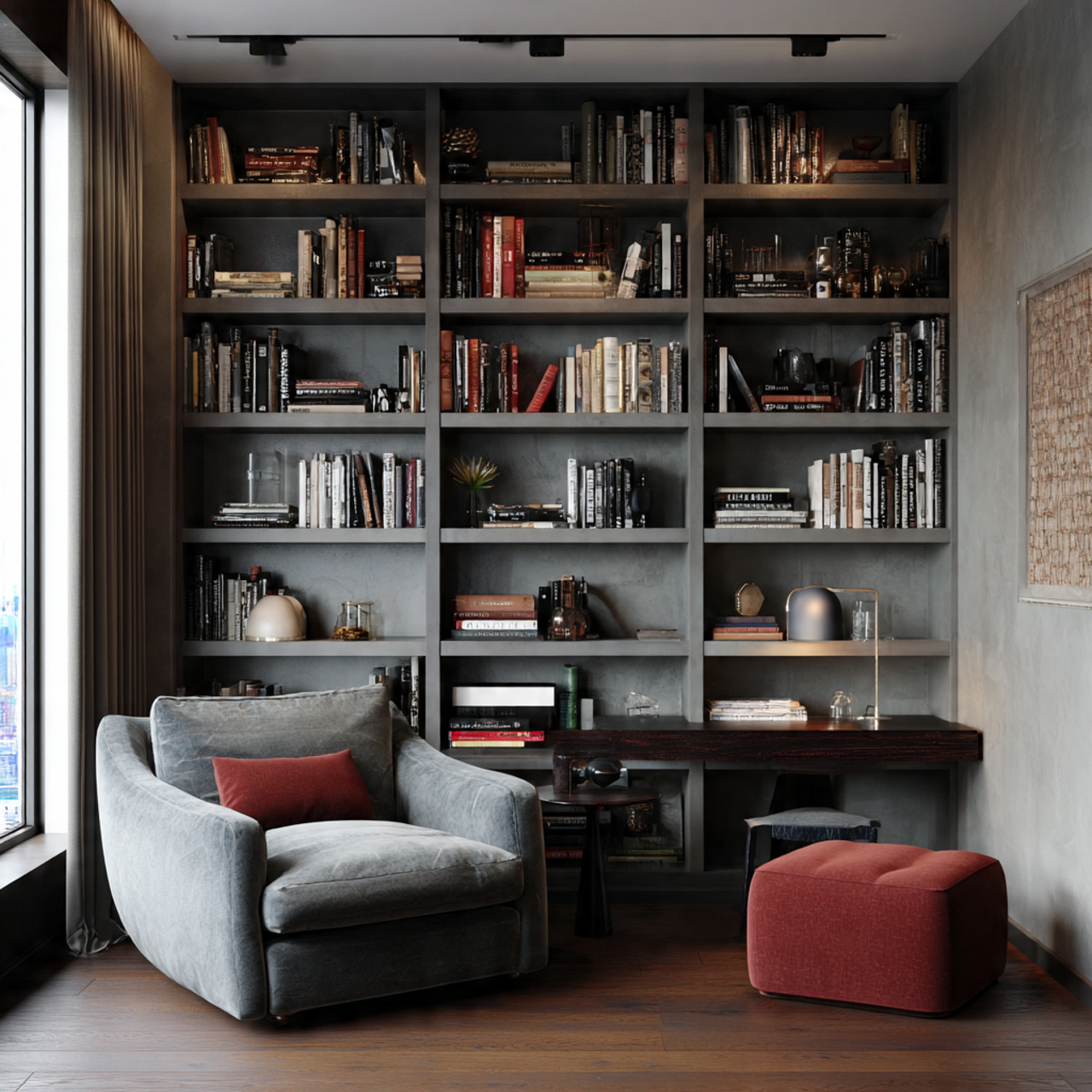
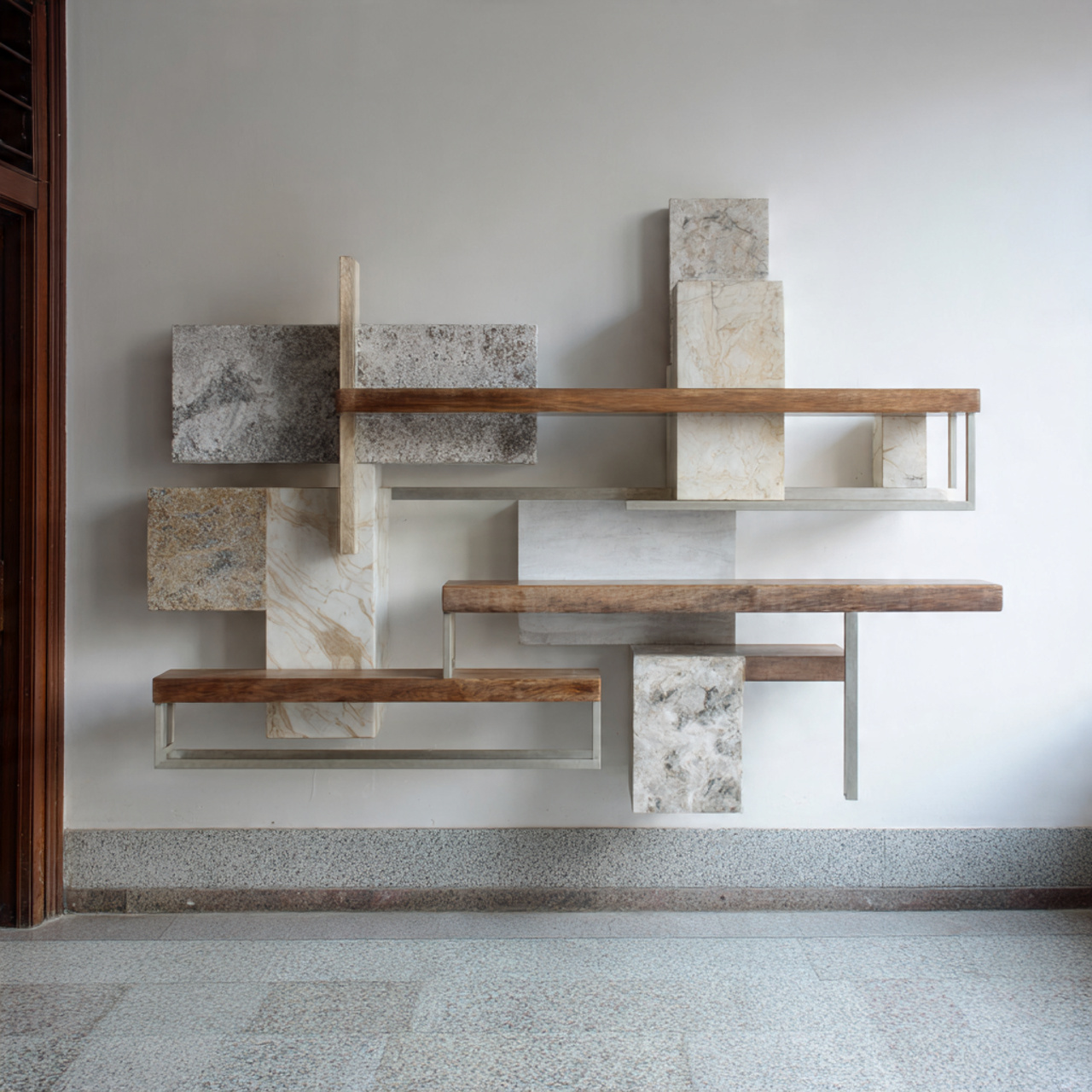
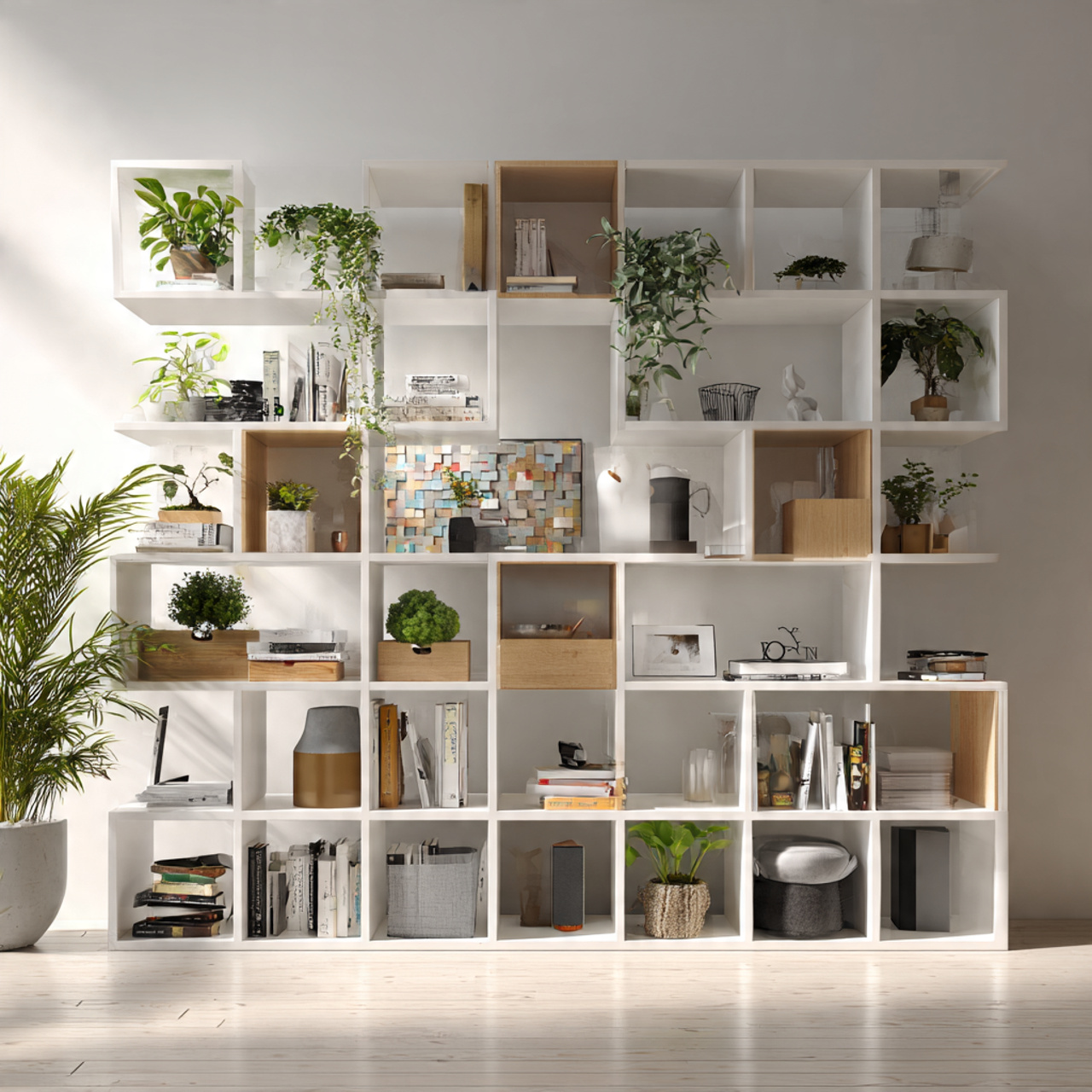
Built-In Style Setups
Shelving designed to fit wall dimensions creates a cohesive, architectural look.
Best for:
Permanent storage zones and statement walls.
How to Choose Furniture & Shelving That Holds Up
Good furniture and shelving choices balance strength, scale, and usability. Use this guide to avoid weak builds and choose pieces that last.
Shelving Materials
The material determines how much weight shelves can safely support.
- Look for:
- Solid wood or engineered wood with dense cores
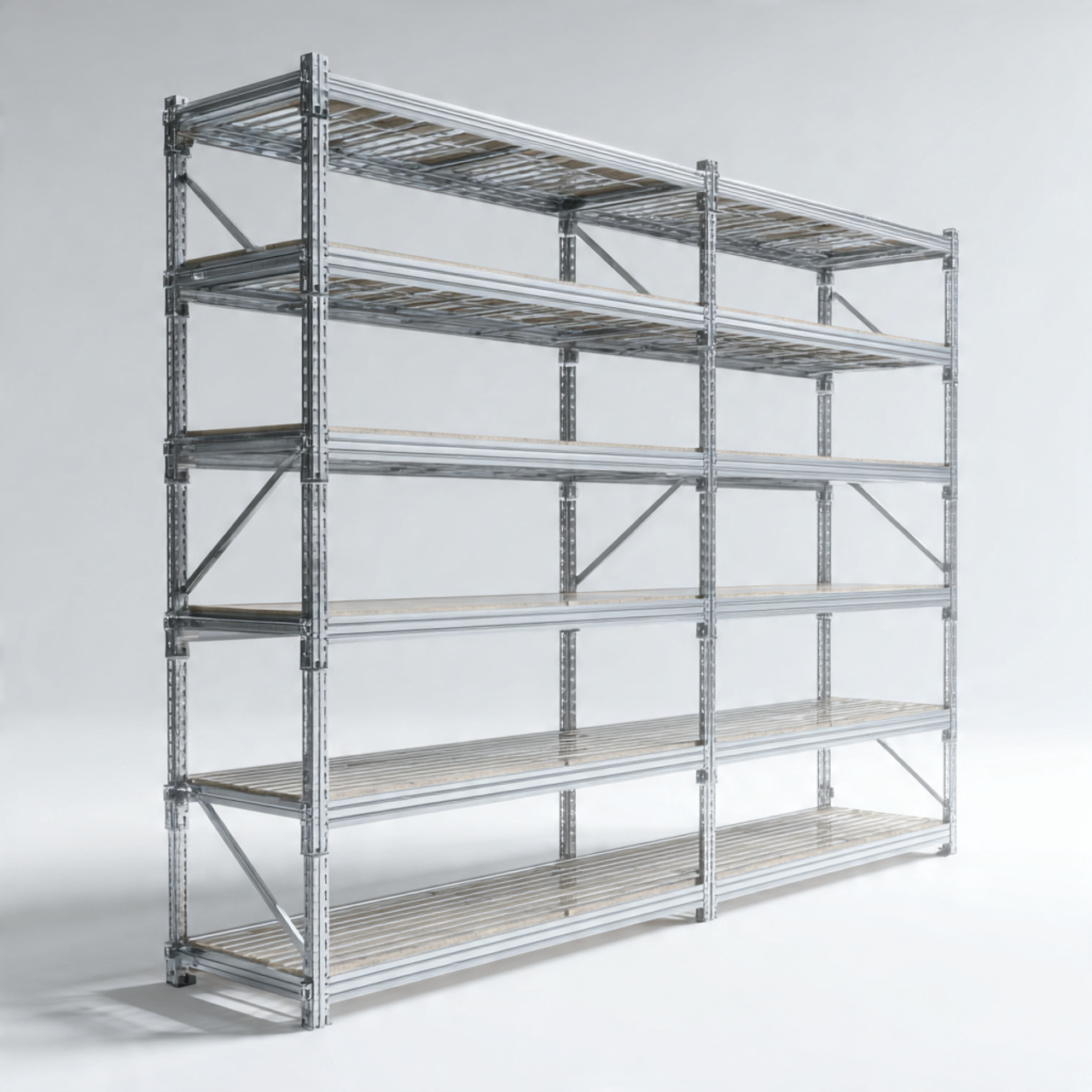
- Metal shelves for heavy loads
- Thick shelf boards for longer spans
Avoid:
Thin MDF for heavy storage
Untested composite boards
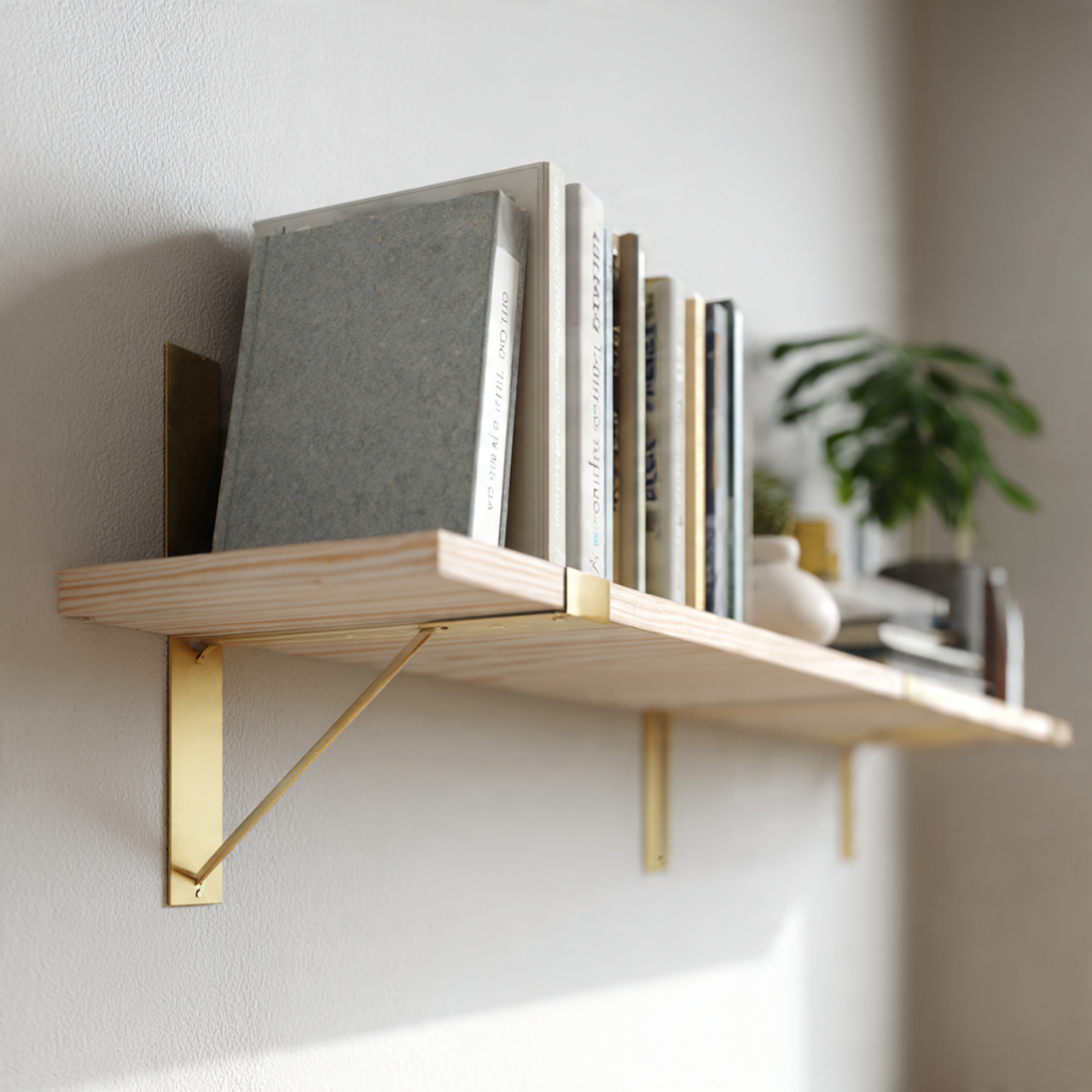
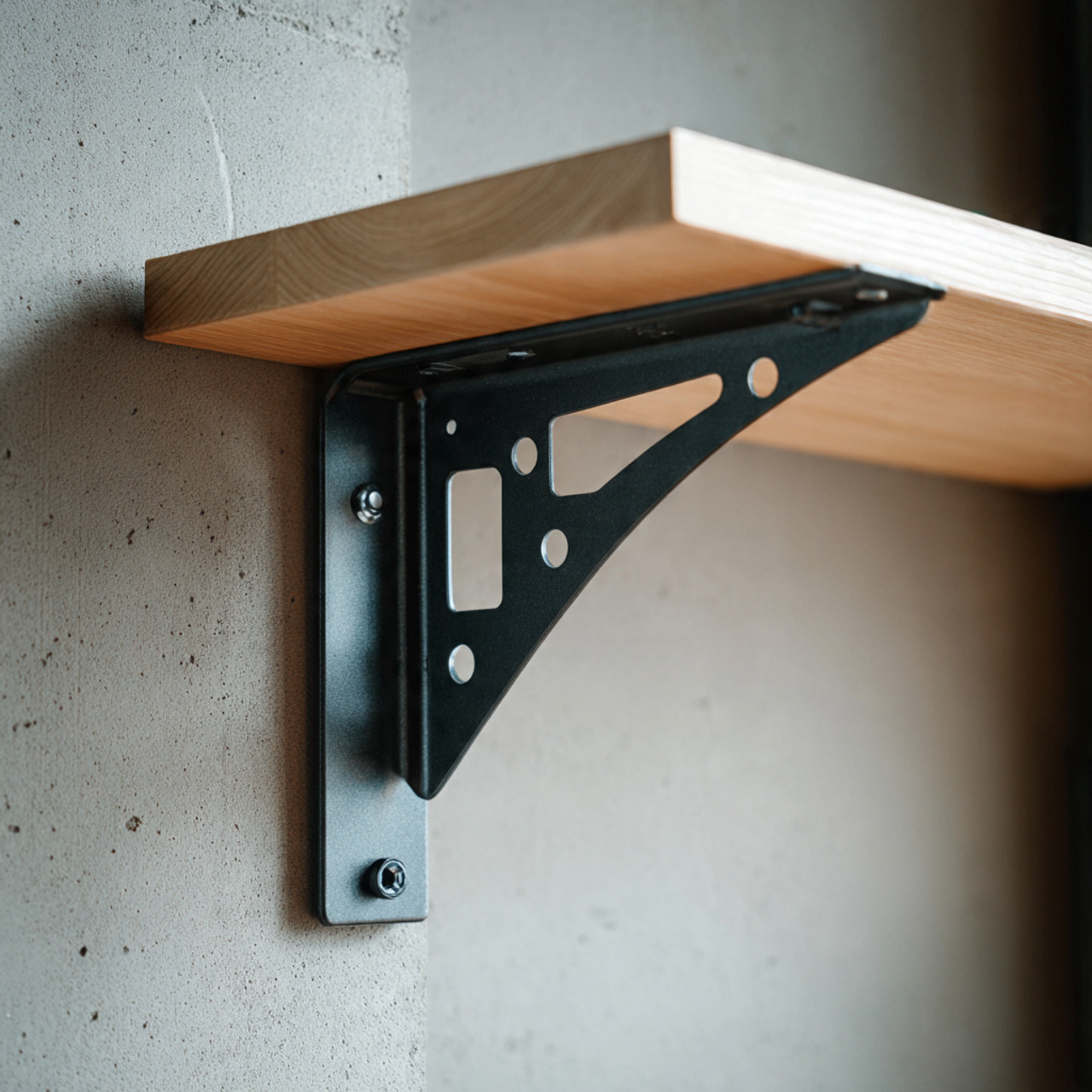
Brackets & Support
Shelves are only as strong as their supports.
- Look for:
- Metal brackets rated for load
- Hidden support systems designed for weight
- Metal brackets rated for load
Avoid:
Decorative brackets without load ratings
Long spans without center support
Furniture Construction
Construction quality affects stability and lifespan.
- Look for:
- Solid frames and reinforced joints
- Leveling feet for uneven floors
- Solid frames and reinforced joints
Avoid:
Lightweight frames for storage-heavy use
Furniture without stability details
Installation & Placement
Correct installation ensures safety and performance.
- Look for:
- Stud mounting or proper anchors
- Adequate wall clearance
- Balanced placement within the room
Avoid:
Improper anchors
Overloading shelves immediately after install
Ravnora Curated Furniture & Shelving Picks
Furniture and shelving selected for stability, load support, and balanced proportions—built for real storage, not just display.
BLOCK 1 — WALL-MOUNTED SHELVING
Vertical storage that frees floor space while staying structurally sound.
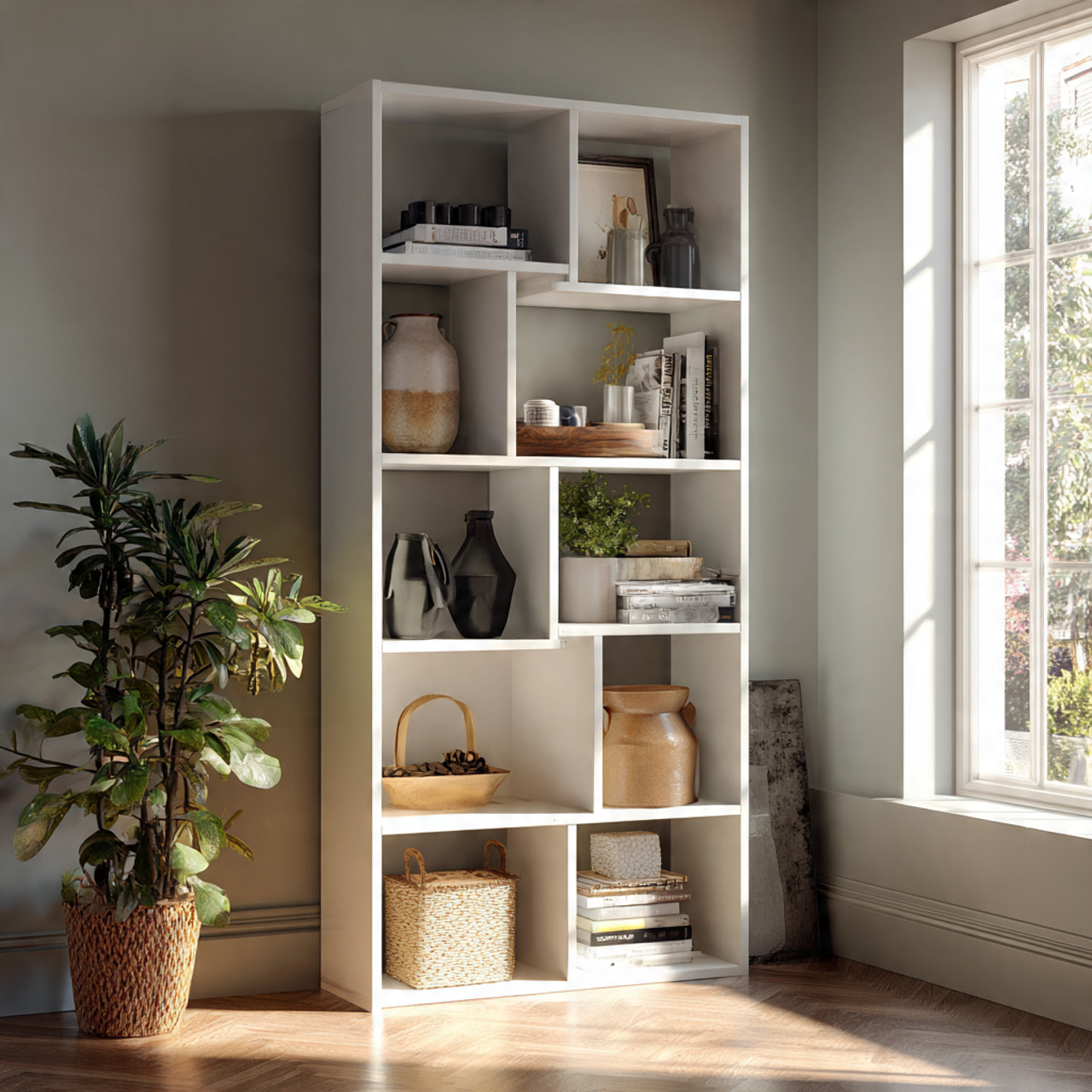
BLOCK 2 — MODULAR SHELVING SYSTEMS
Adaptable systems that grow with storage needs.
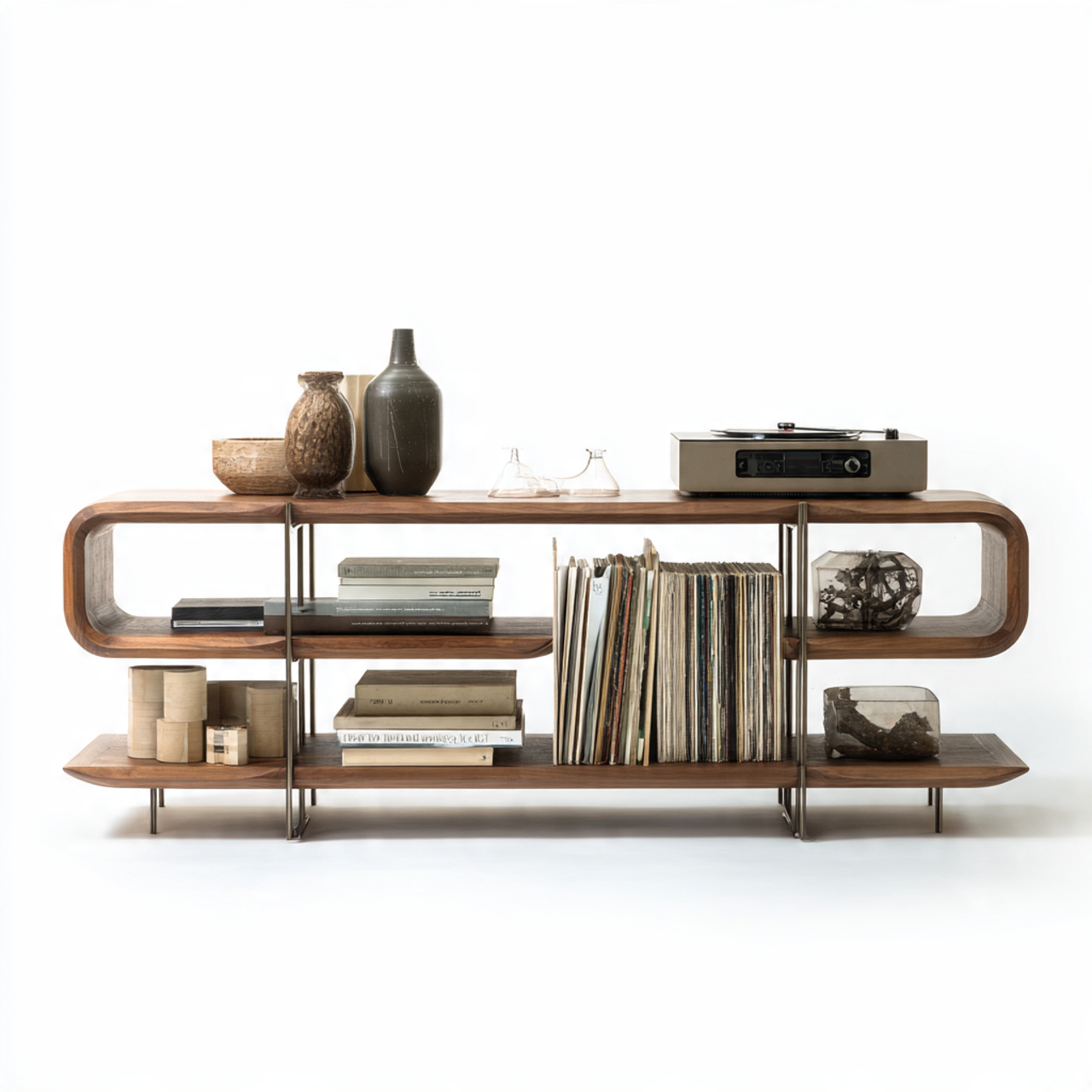
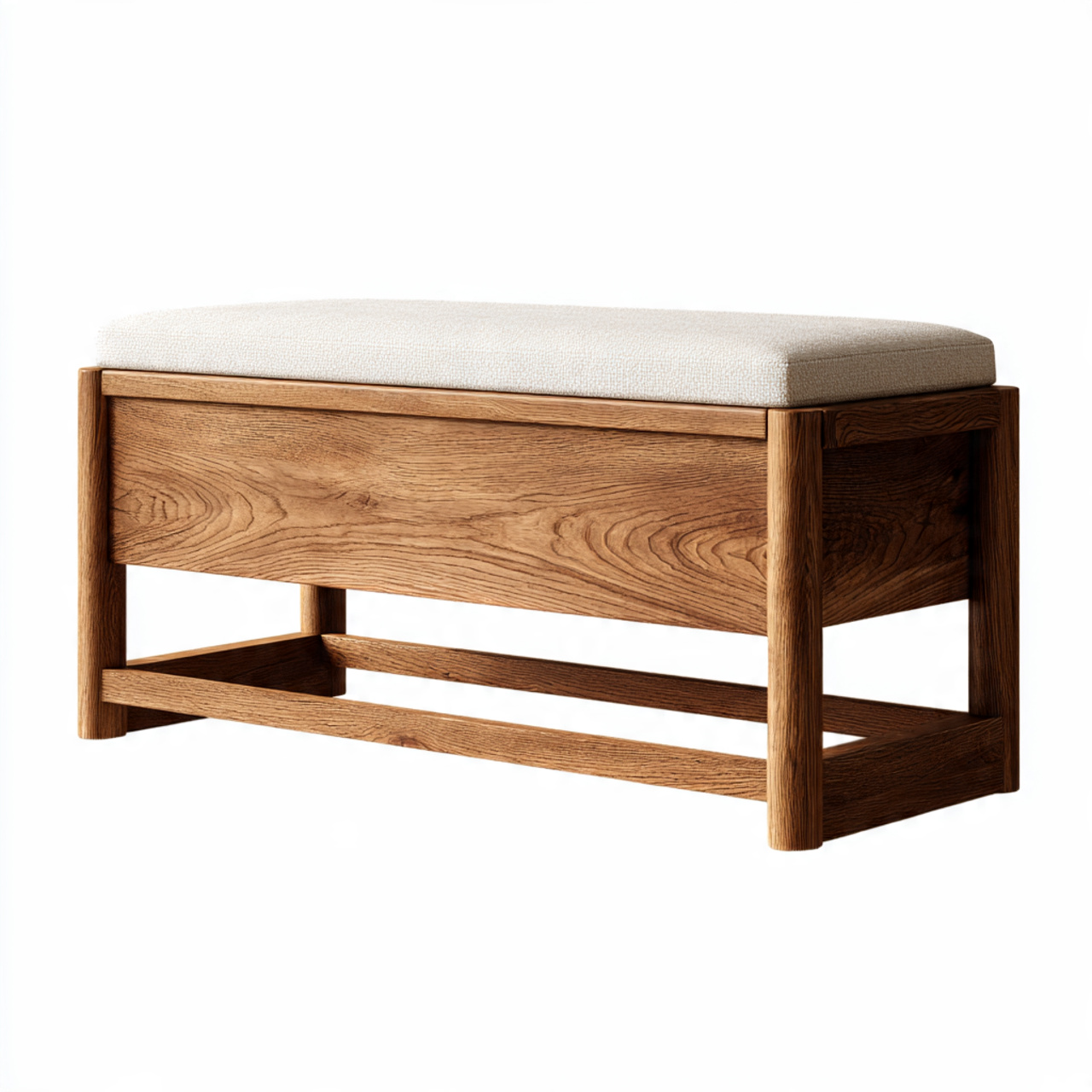
BLOCK 3 — LOW-PROFILE FURNITURE
Storage furniture that keeps rooms visually light.
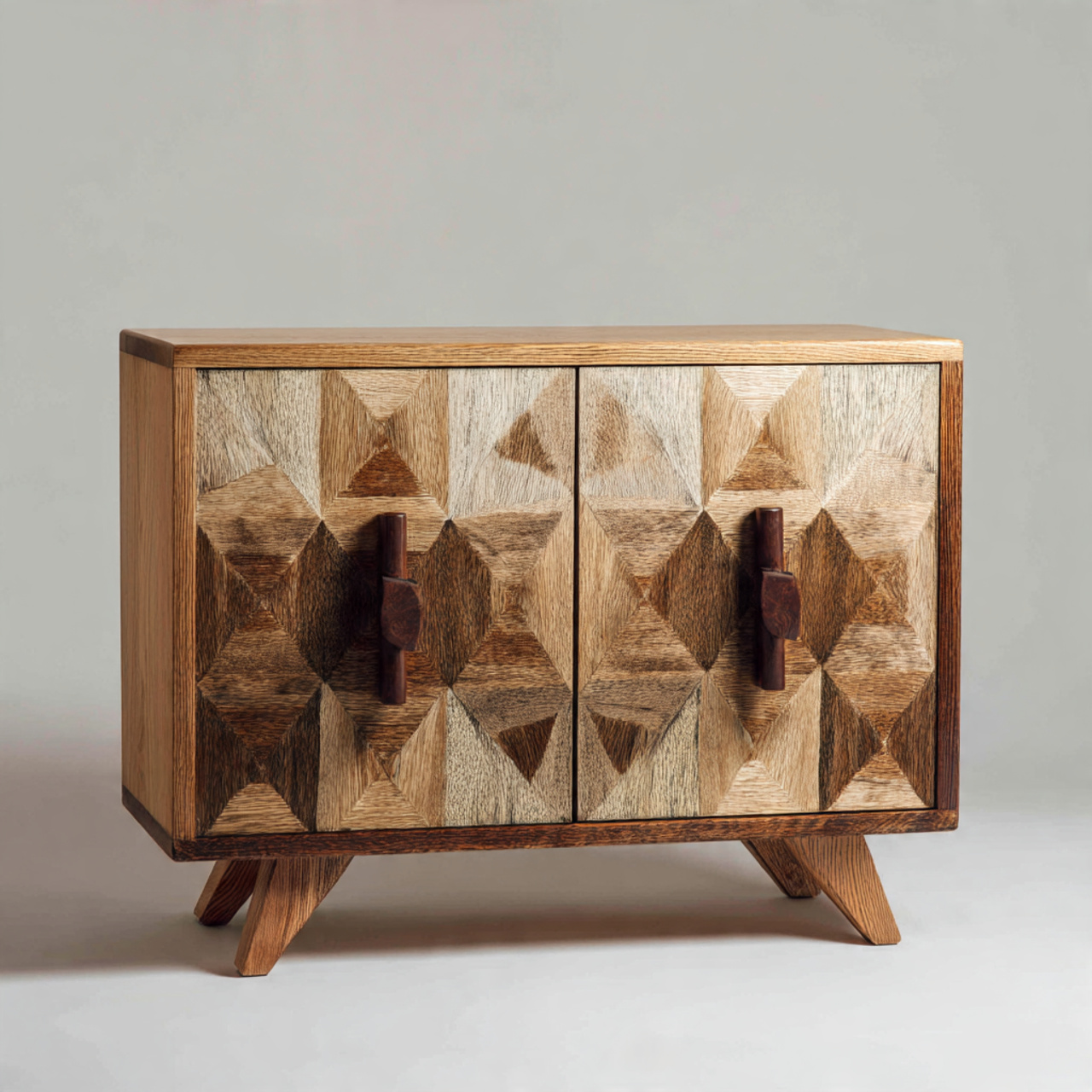
BLOCK 4 — BUILT-IN STYLE PIECES
Architectural-feeling storage without custom construction.
Common Furniture & Shelving Mistakes to Avoid
Most shelving and furniture problems come from ignoring load, scale, or installation. Avoid these errors for safe, lasting setups.
❌ Under-supported shelves — sagging and failure.
Fix: Add center supports or stronger brackets.
❌ Oversized furniture in small rooms — visual heaviness.
Fix: Choose low-profile pieces.
❌ Decorative brackets only — unsafe for storage.
Fix: Use load-rated hardware.
❌ Uneven installation — wobble and stress points.
Fix: Level and anchor correctly.
❌ Overloading immediately — weakens structure.
Fix: Load gradually.
Save This Furniture & Shelving Guide for Later
Furniture and shelving decisions take planning. Save this guide to revisit layouts, buying tips, and curated picks.
Explore More Furniture-Related Ideas
Living Room Decor Ideas —
balanced layouts
Explore →
Home Organization Ideas —
system-first storage
Explore →
Entryway Essentials —
slim profiles & flow
Explore →
Lighting & Lamps —
complement shelving safely
Explore →
Get Furniture Planning Notes
Load-safe tips, layout guidance, and shelving insights—sent occasionally, no noise.
Furniture & Shelving FAQs
Q1: How much weight can wall shelves hold?
Depends on material, thickness, and bracket rating.
Q2: Are floating shelves strong enough for books?
Only if reinforced and properly anchored.
Q3: How far apart should shelf brackets be?
Typically 24–36 inches, depending on load.
Q4: Is MDF safe for shelving?
Light loads only; avoid for heavy storage.
Q5: Should furniture be anchored to walls?
Yes, especially tall units.
Build Furniture & Shelving That Lasts
Strong structure and balanced layouts create storage that works every day.
Use this guide as a reference and build with confidence.