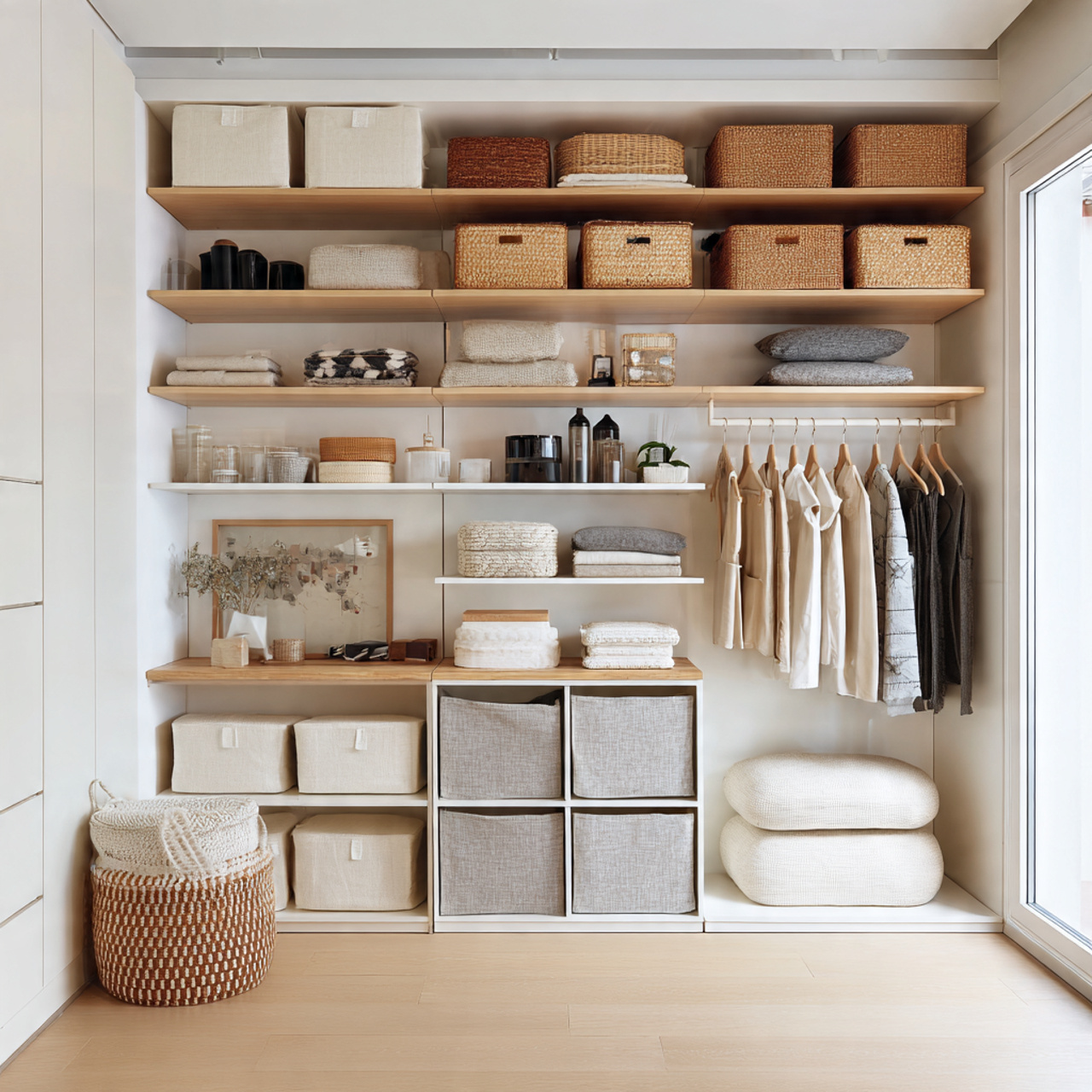
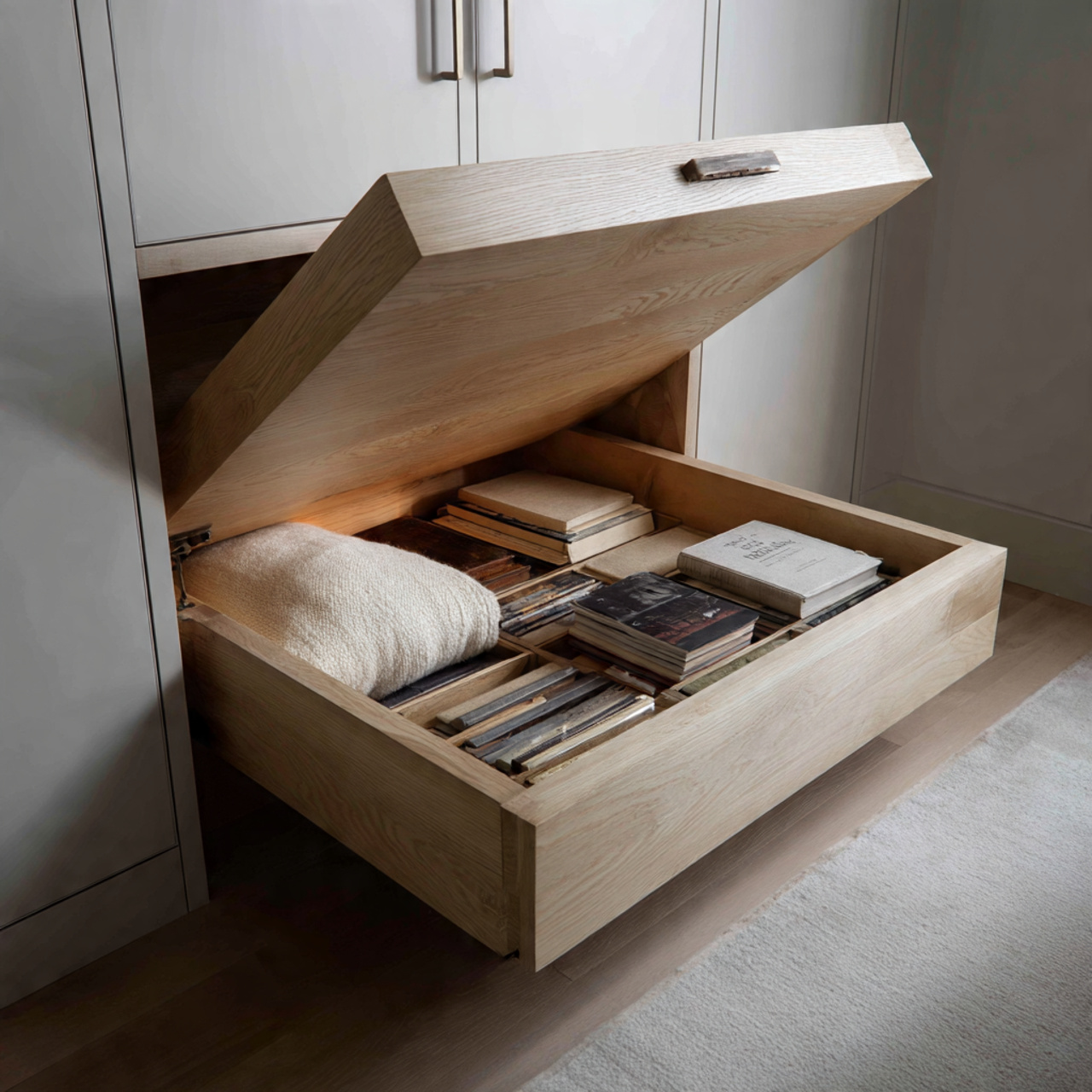
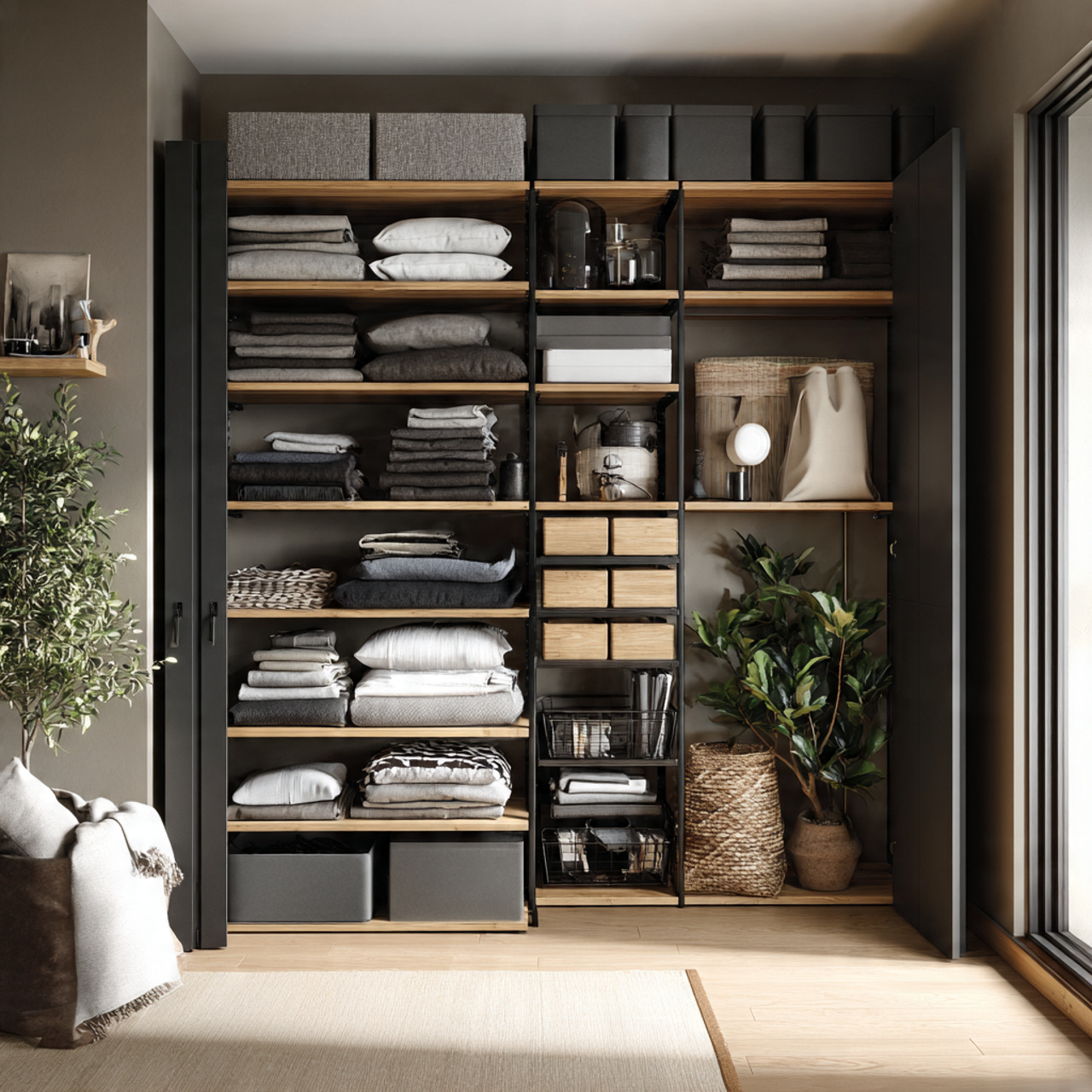
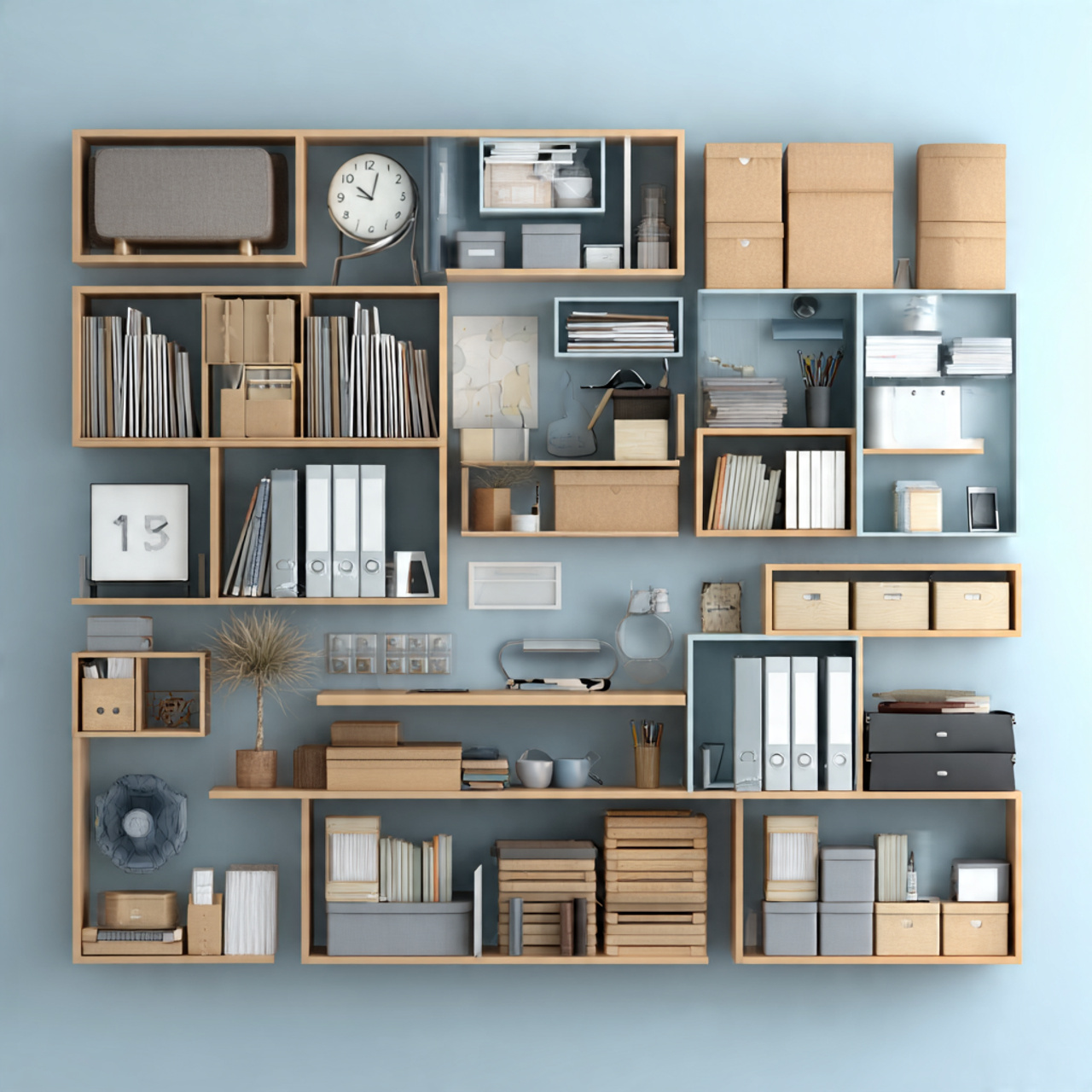
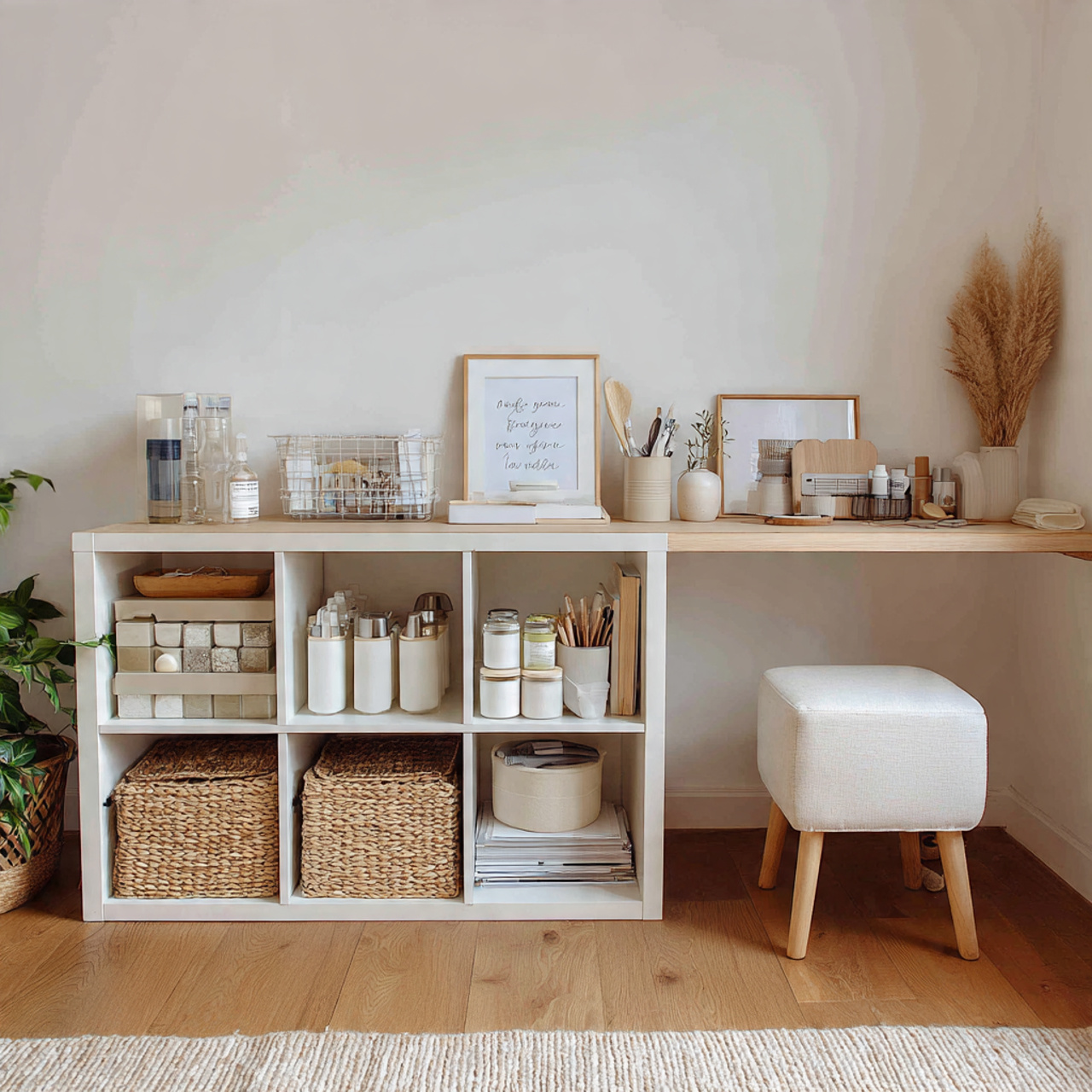
Home Organization Ideas Designed for Everyday Calm
Create organized, clutter-free spaces with practical storage ideas and systems that are easy to maintain every day.
Organize Your Home in a Way That Lasts
Effective organization is built around habits, not just storage. Use this snapshot to choose systems that stay neat with everyday use.
Space Type
Different rooms need different systems. Entryways, kitchens, and closets require tailored storage solutions.
Storage Strategy
Closed storage keeps visual clutter low, while open storage works best for frequently used items
Daily Use
Organization should make everyday routines easier, not add extra steps.
Maintenance Reality
The best systems are simple enough to maintain without constant resetting.
Organization Foundations That Actually Last
Before buying bins or shelves, get these organization fundamentals right. They determine whether systems stay tidy—or fall apart.
Access & Visibility
- Store daily-use items at arm’s reach.
- Reduce stacking that hides frequently used items.
- Keep visual cues simple and clear.
Rule: If you can’t see it or reach it easily, it won’t stay organized.
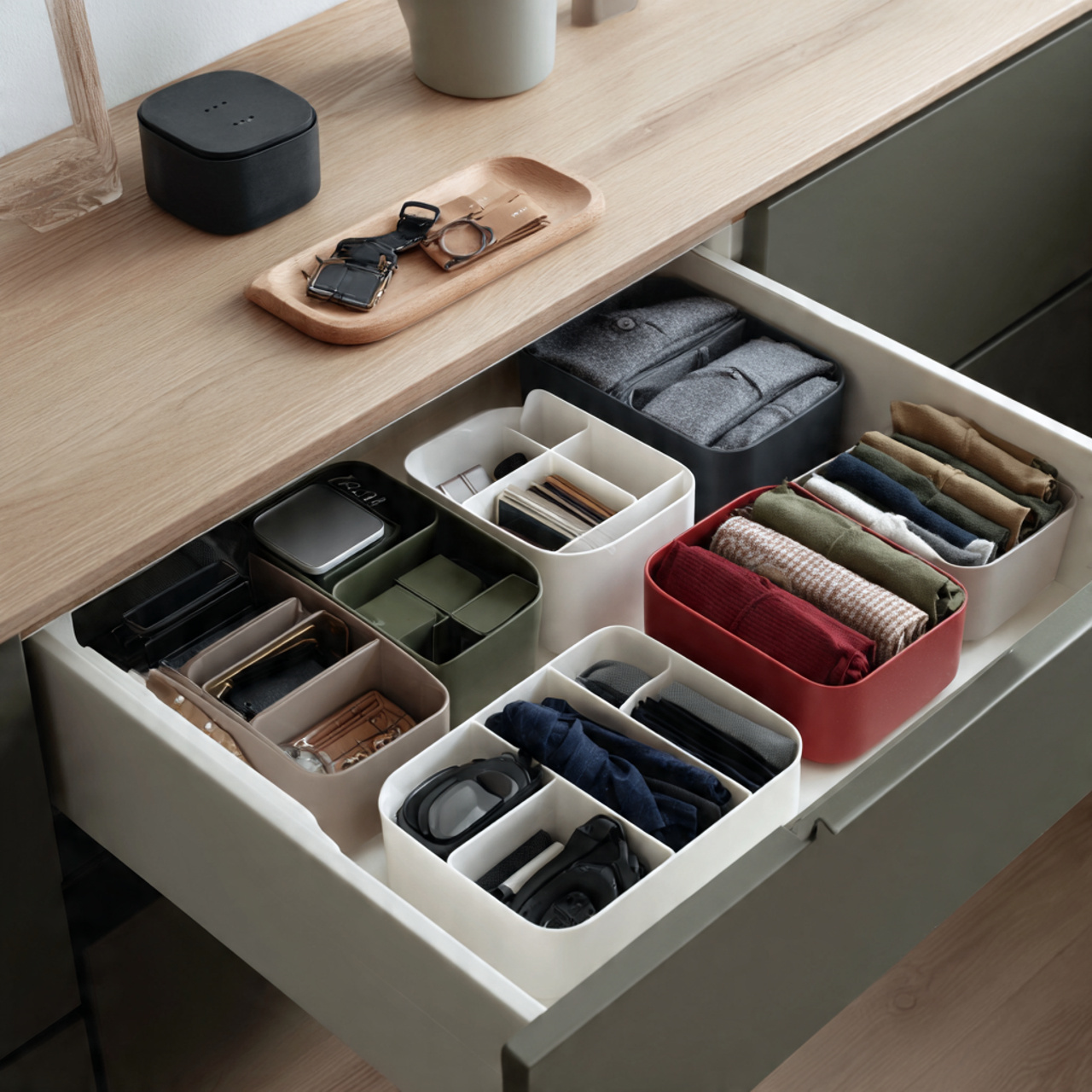
Category & Zones
- Group items by use, not by type alone.
- Assign one clear “home” for every category.
- Avoid mixing unrelated items in one space.
Rule: Clear zones prevent clutter from spreading.
Reset & Maintenance
- Design systems that reset in minutes, not hours.
- Limit container types to keep systems consistent.
- Plan weekly micro-resets instead of deep cleanups.
Rule: Systems that require effort will be abandoned.
Choose an Organization System That Fits Your Life
These organization styles focus on ease, clarity, and long-term maintenance. Choose the system that matches how you use your space every day.
Minimal Storage
Fewer items, clear surfaces, and intentional storage create a home that feels calm and easy to maintain.
Best for:
Small homes and people who prefer simplicity.
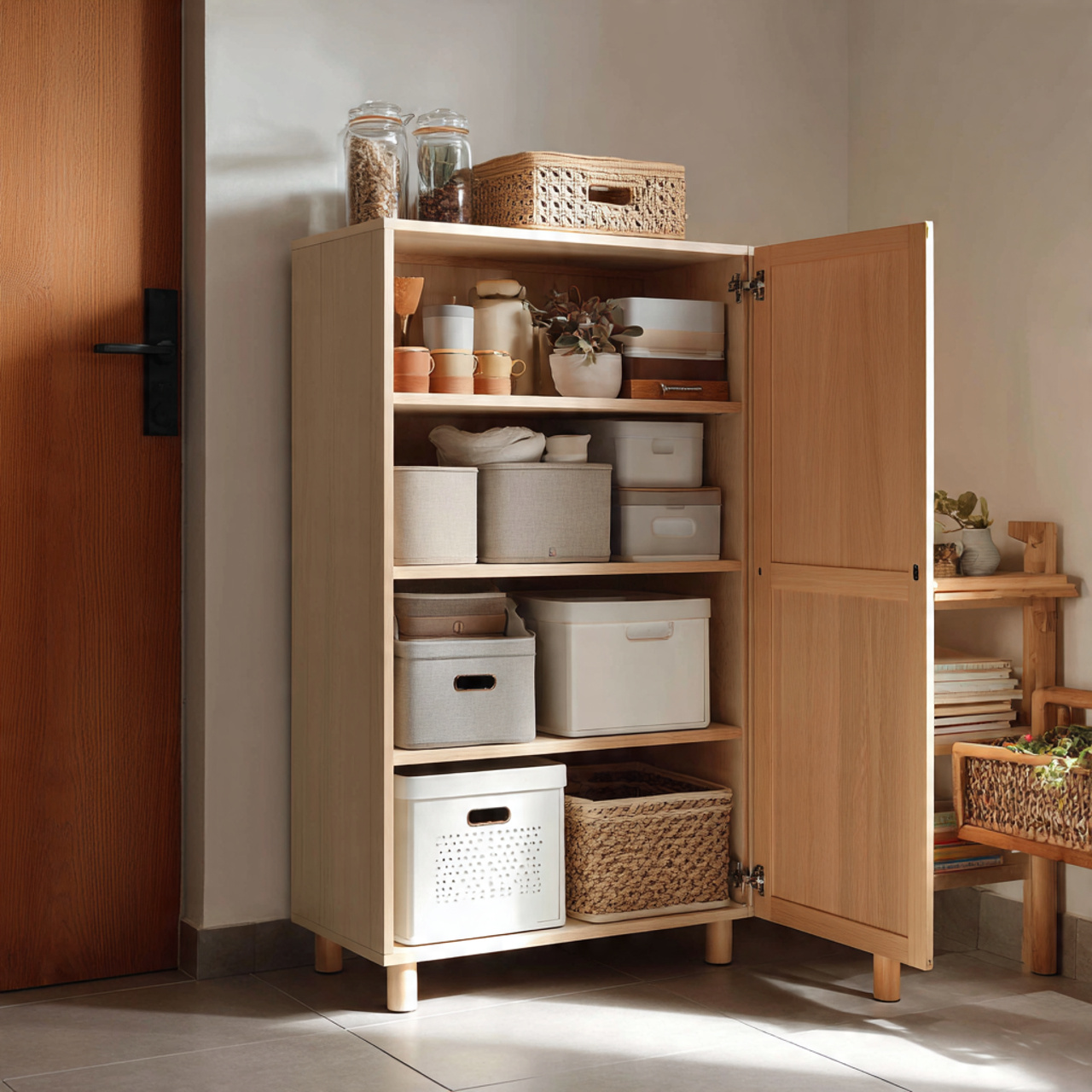
Hidden Storage
Closed cabinets and concealed systems keep visual clutter low while storing everyday essentials.
Best for:
Busy households and shared spaces.
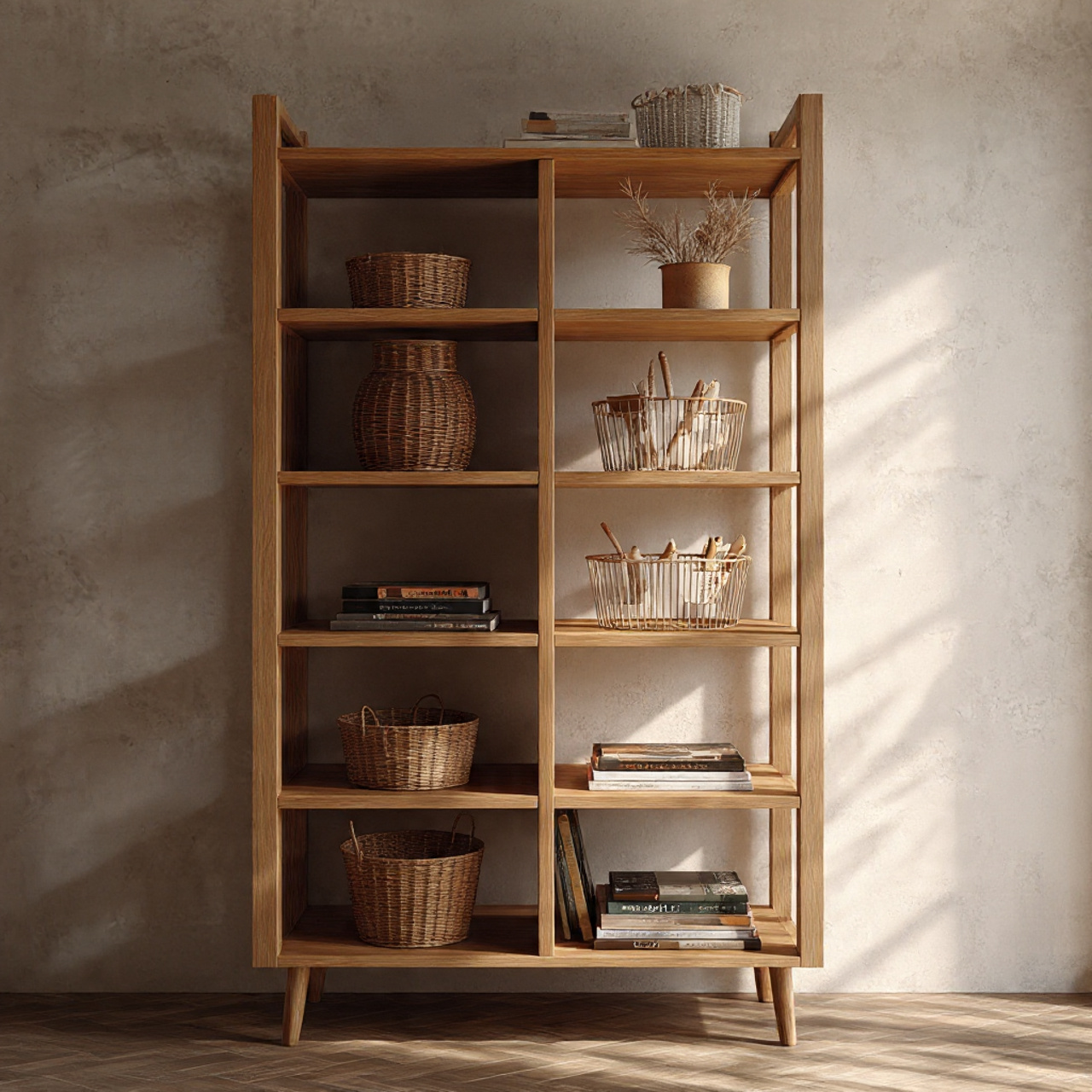
Open & Accessible
Frequently used items stay visible and within reach, reducing daily friction.
Best for:
Kitchens, workspaces, and creative homes.
Zone-Based Systems
Spaces are divided into clear zones, each with a defined purpose and storage logic.
Best for:
Large homes and multi-use rooms.
How to Choose Organization Tools That Actually Work
Good organization tools support habits and make resetting spaces effortless. Use this guide to choose items that fit your systems—not fight them.
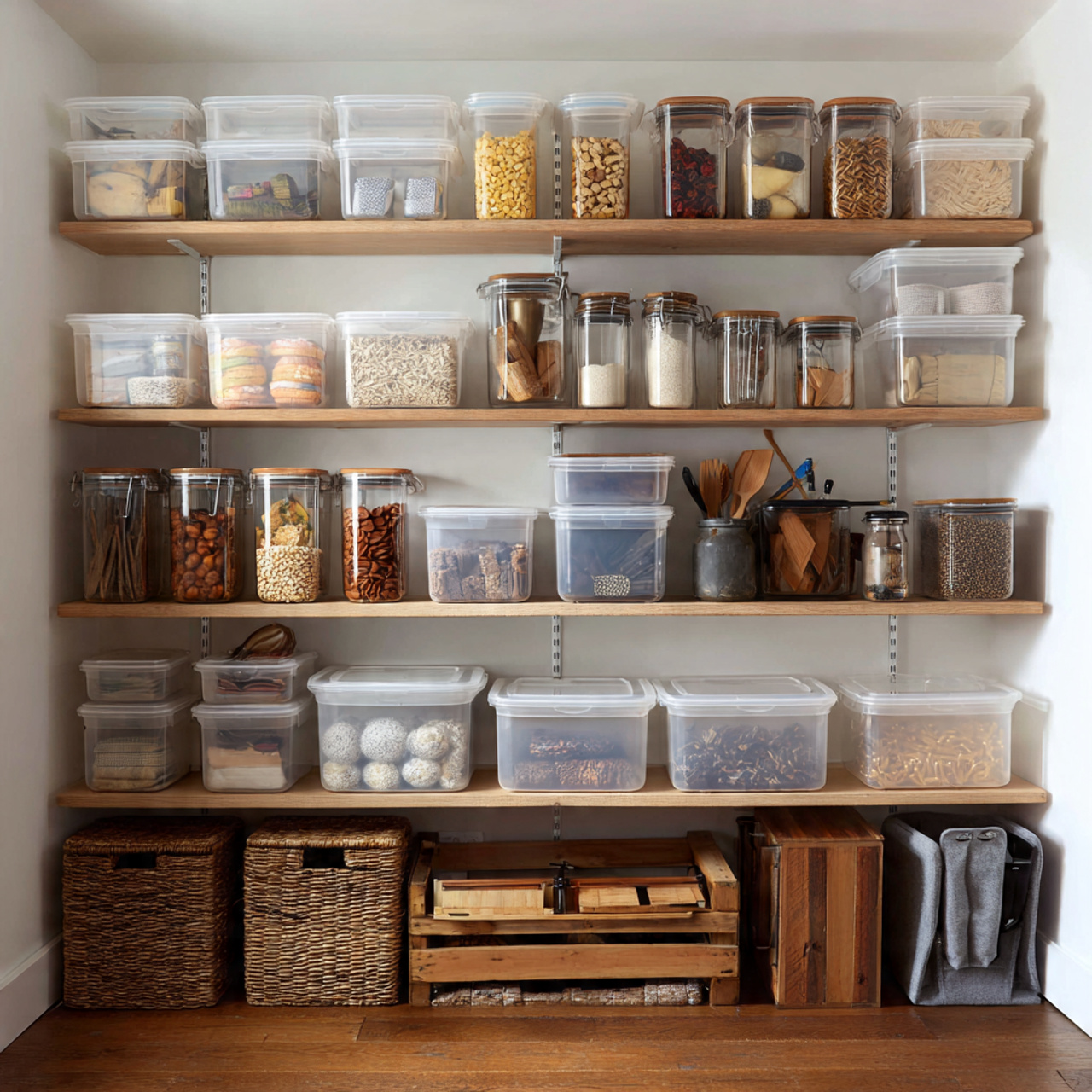
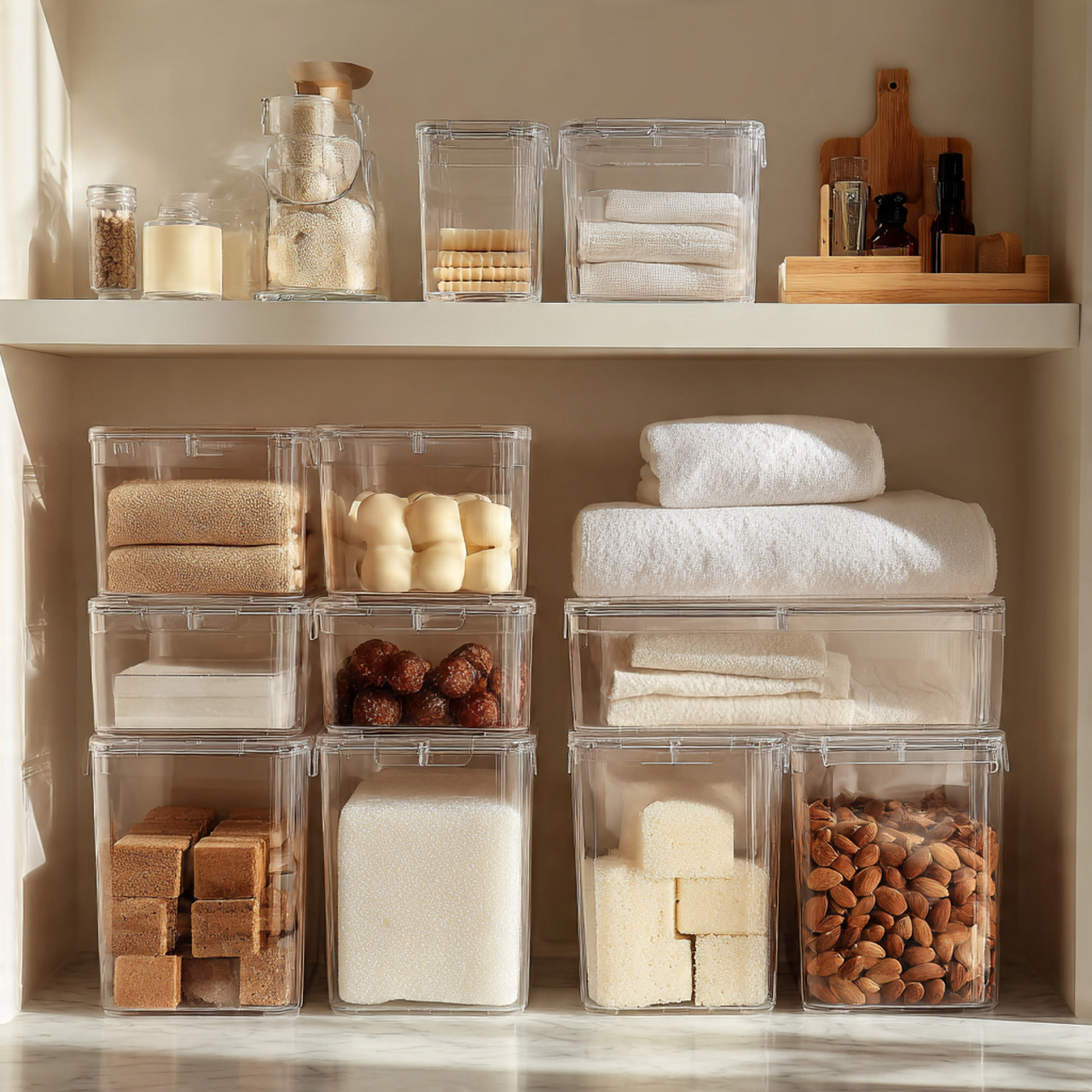
Storage Containers
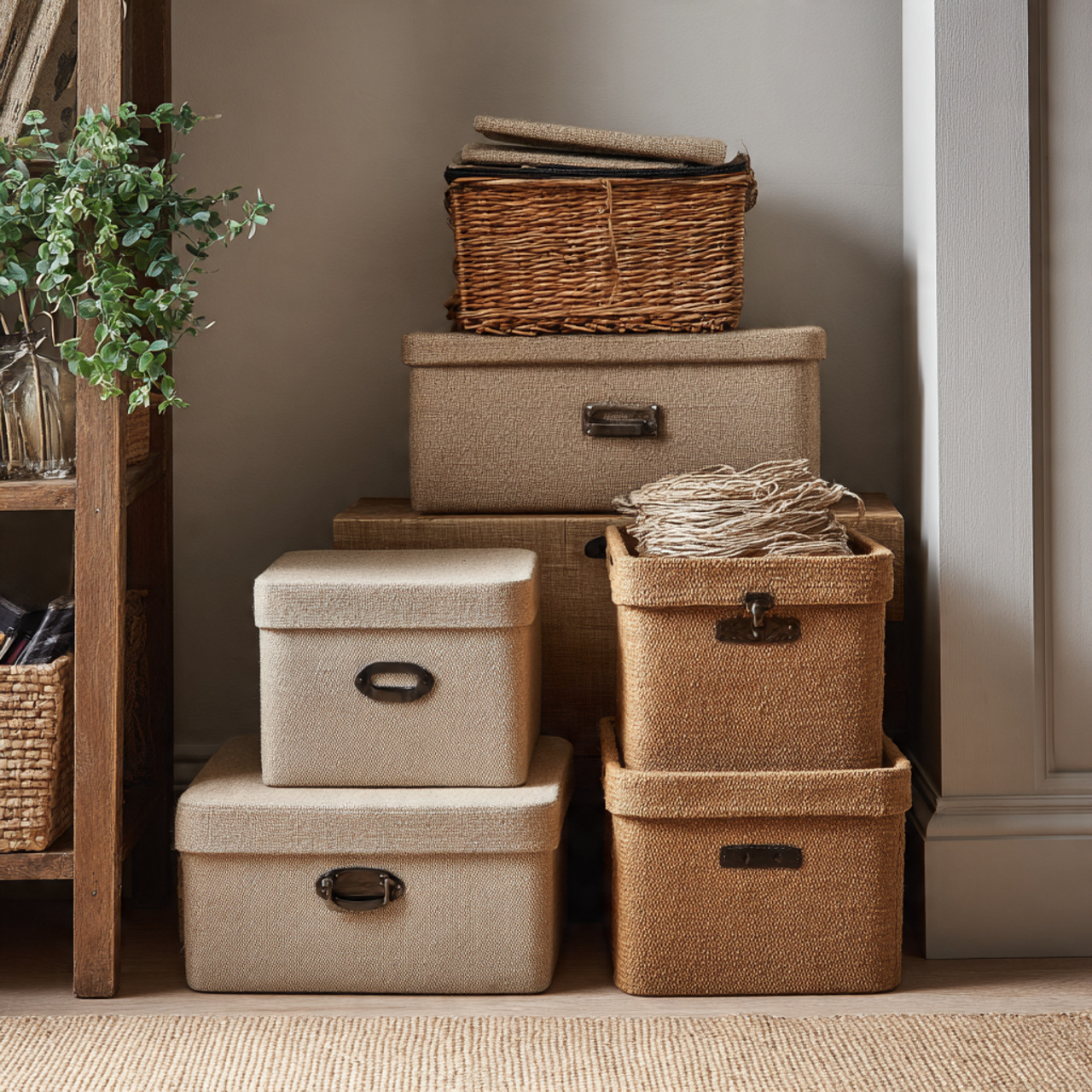
Containers should simplify access and grouping, not add complexity.
- Look for:
- Uniform sizes that stack easily
- Clear or labeled fronts for visibility
- Lightweight, durable materials
Avoid:
Too many container types
Deep bins without dividers
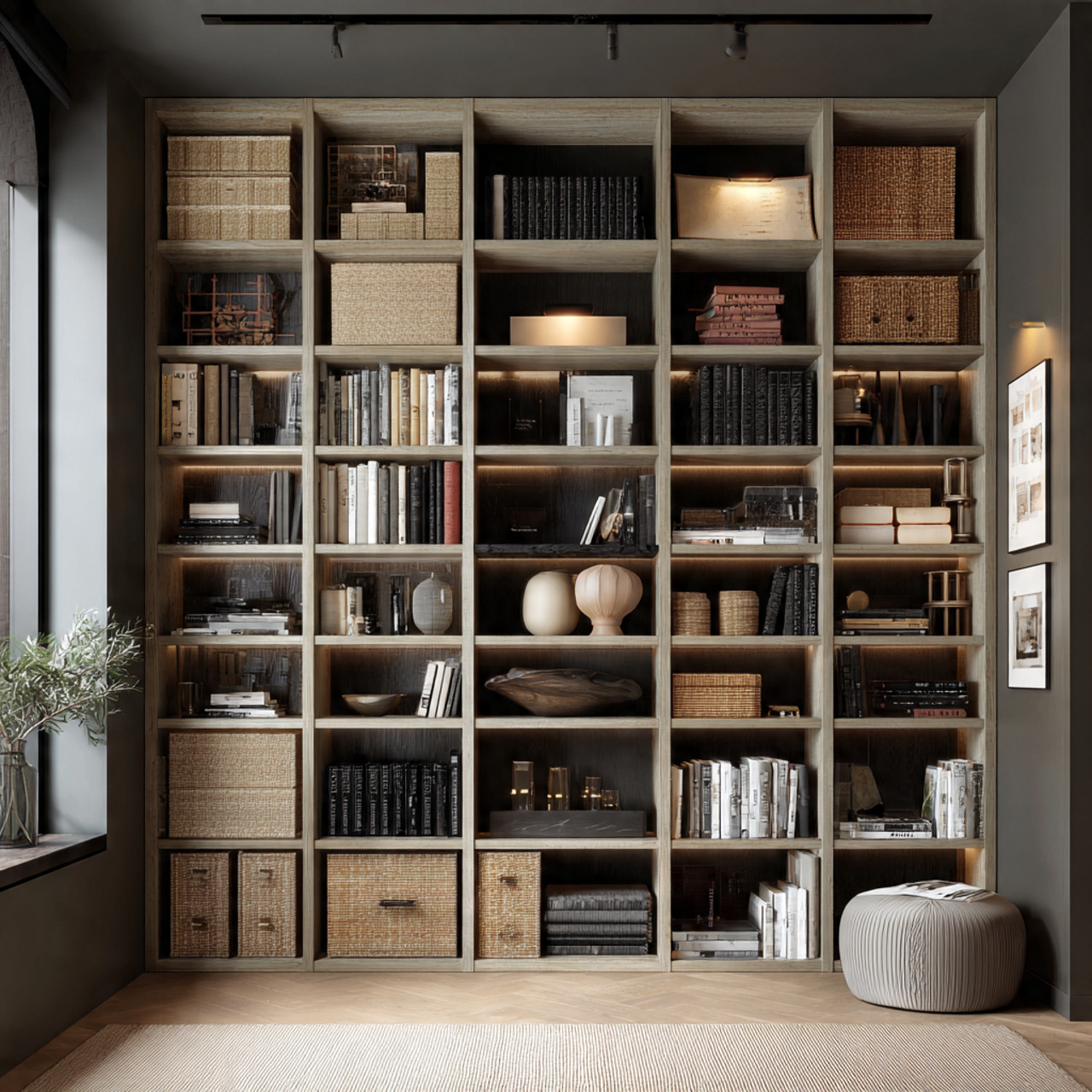
Shelving & Cabinets
Fixed storage should support zones and daily use.
- Look for:
- Adjustable shelves
- Closed storage for visual calm
- Sturdy construction for long-term use
Avoid:
Shelves that are too deep
Open storage in high-clutter areas
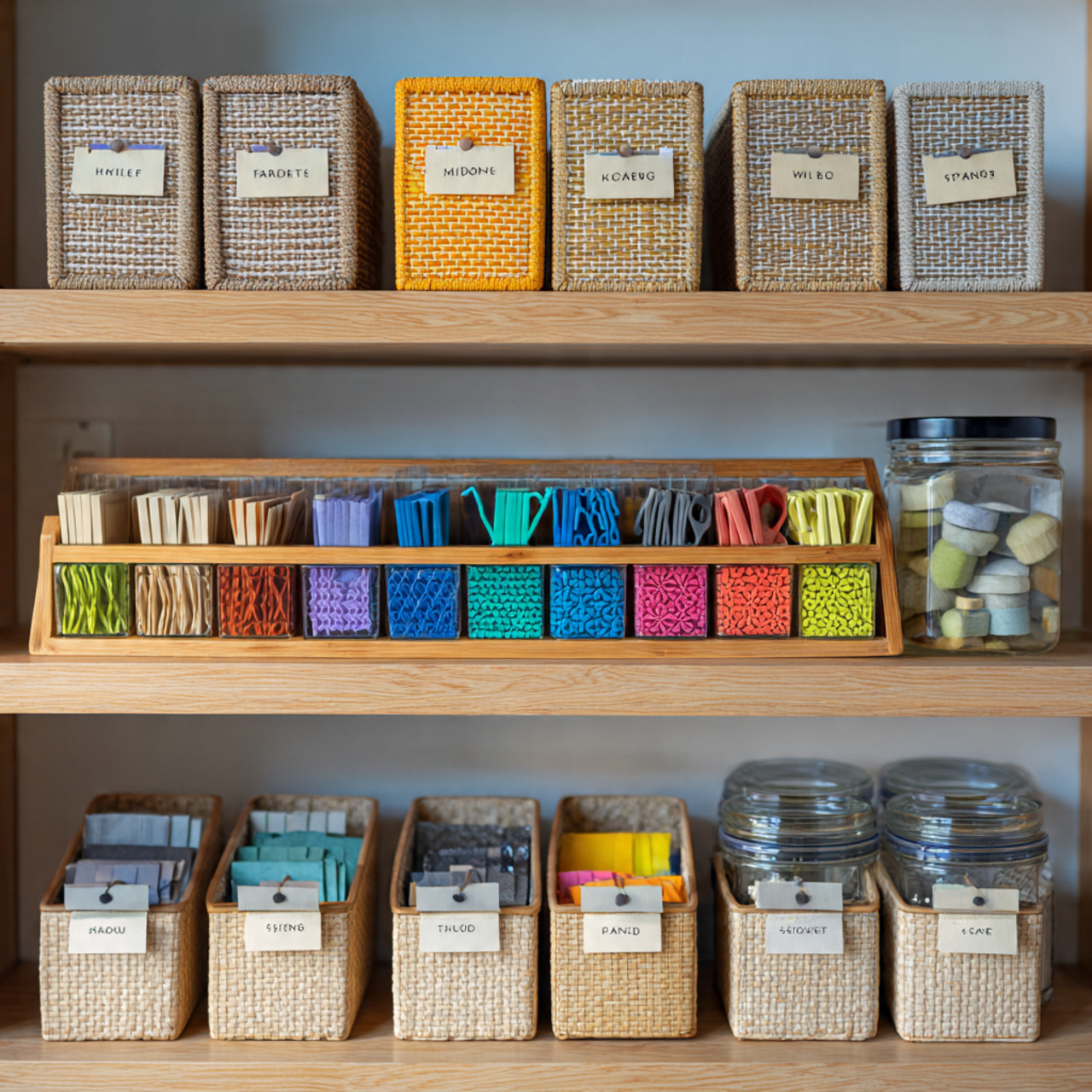
Labels & Visibility
Clear labeling reduces friction and keeps systems intact.
- Look for:
- Simple, readable labels
- Consistent label placement
- Minimal visual noise
Avoid:
Over-labeling everything
Decorative labels that reduce clarity
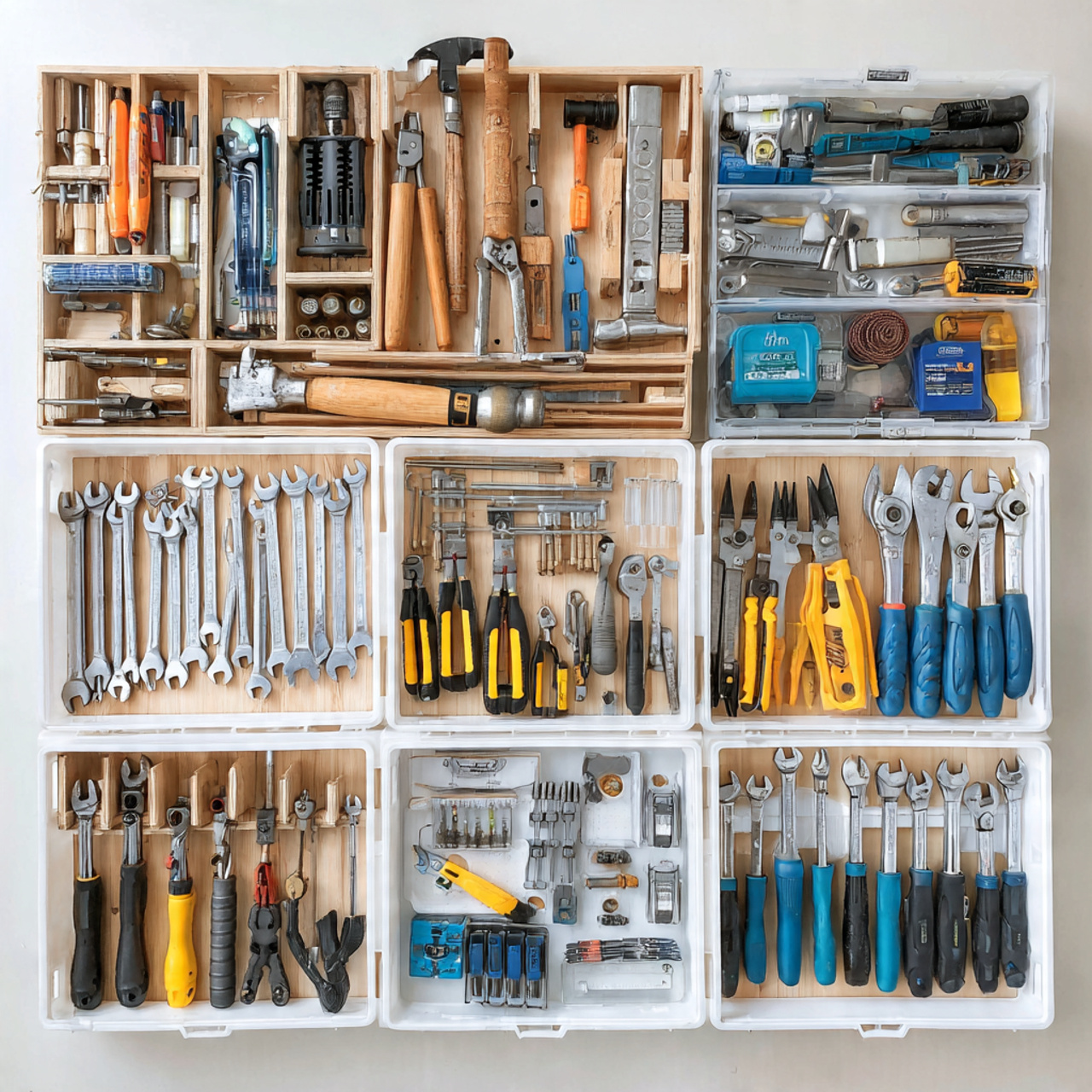
Maintenance Tools
Resetting spaces should be quick and easy.
- Look for:
- Compact cleaning tools nearby
- Simple routines over deep cleans
- Tools that store neatly
Avoid:
Tools that require setup
Overcomplicated systems
Ravnora Curated Organization Picks
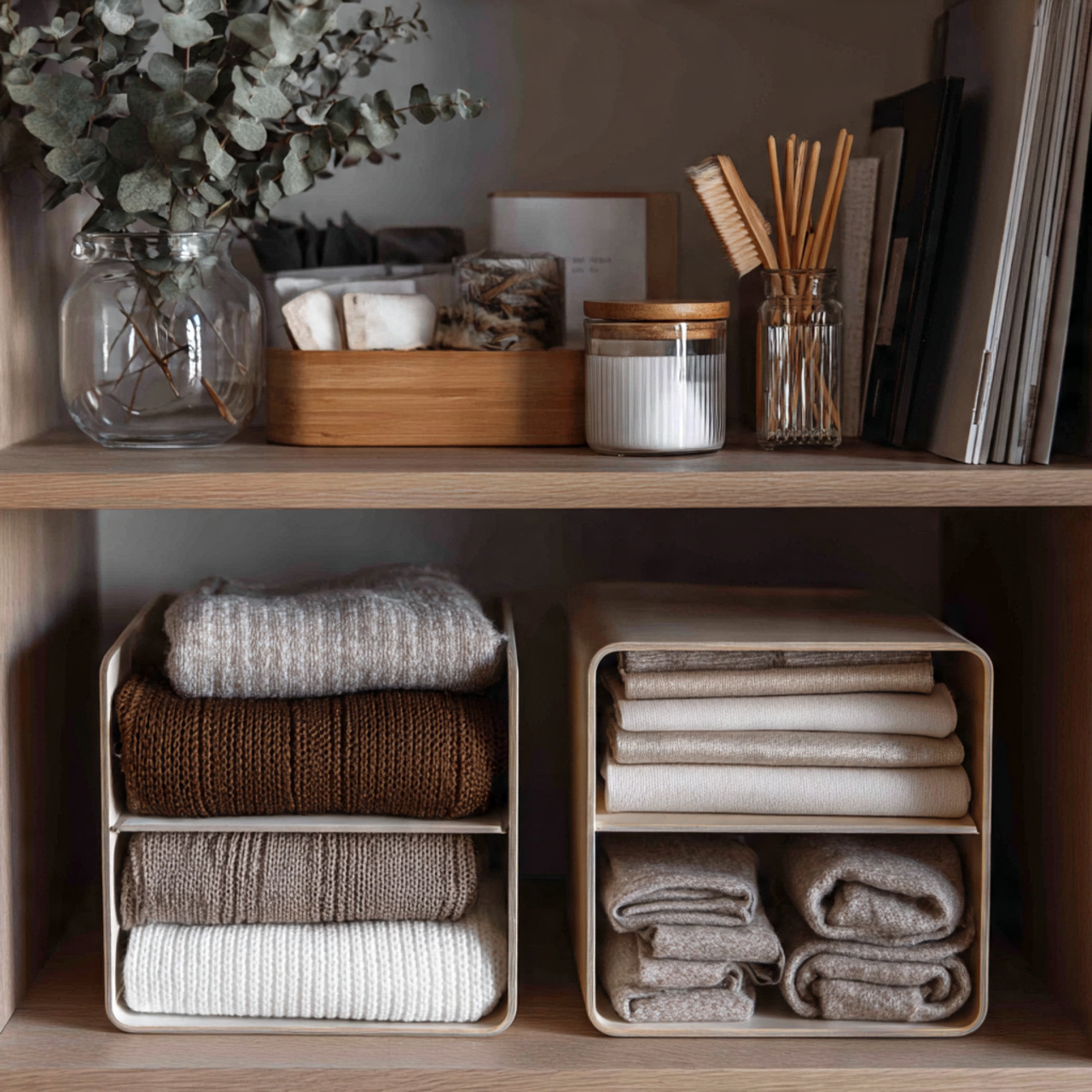
System-first storage tools chosen for clarity, access, and easy maintenance—designed to keep spaces tidy without constant effort.
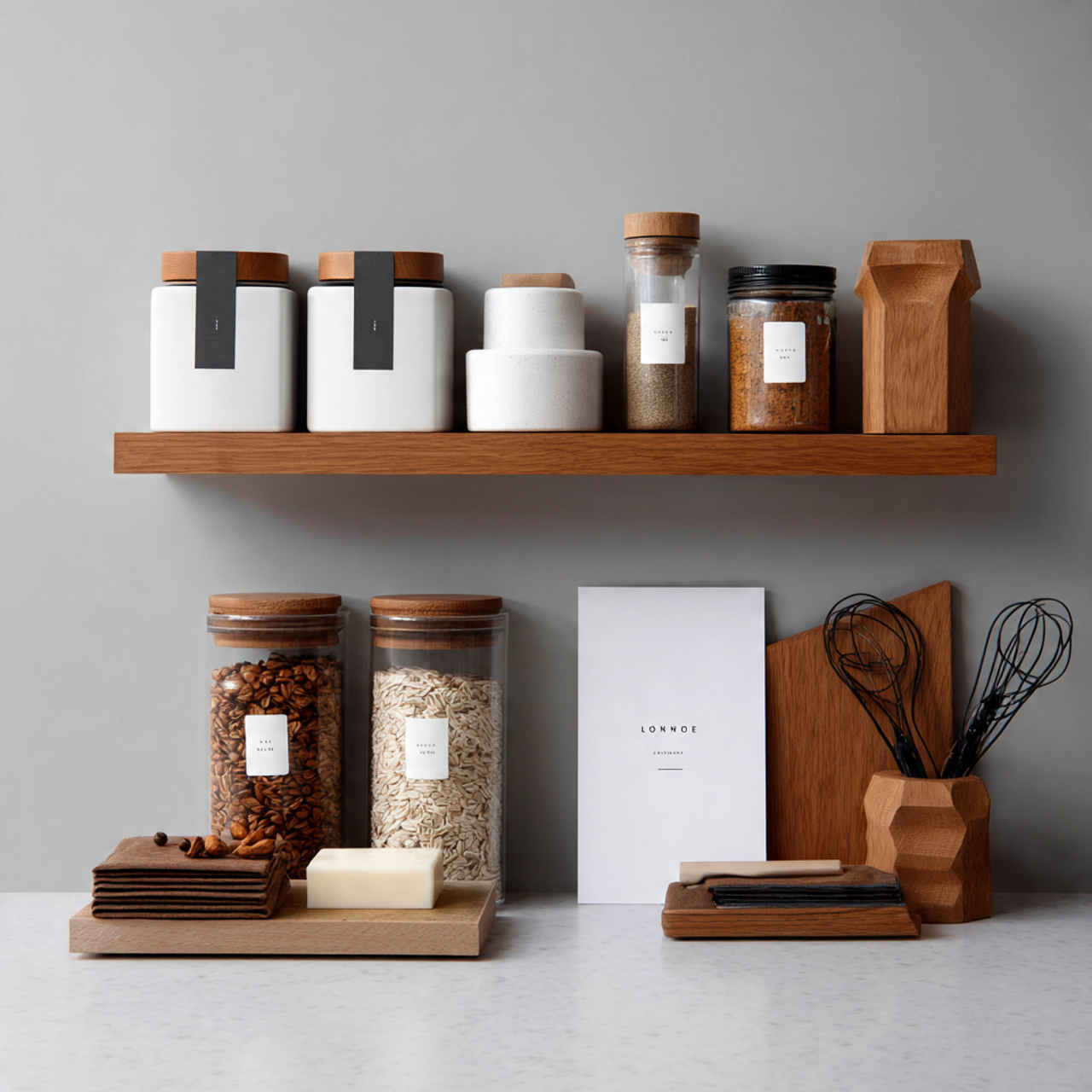
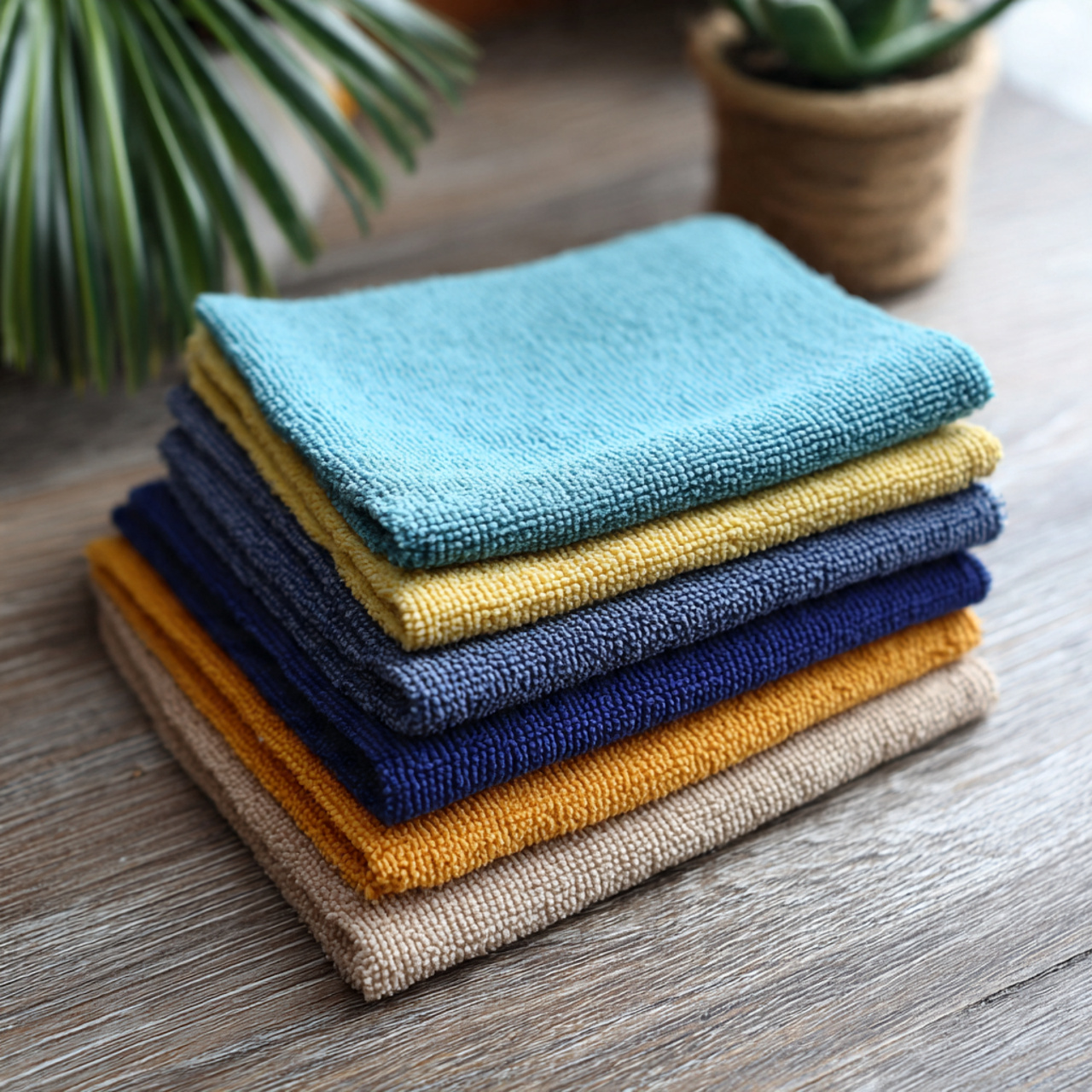
STORAGE CONTAINERS
Uniform, stackable containers that simplify grouping and access.
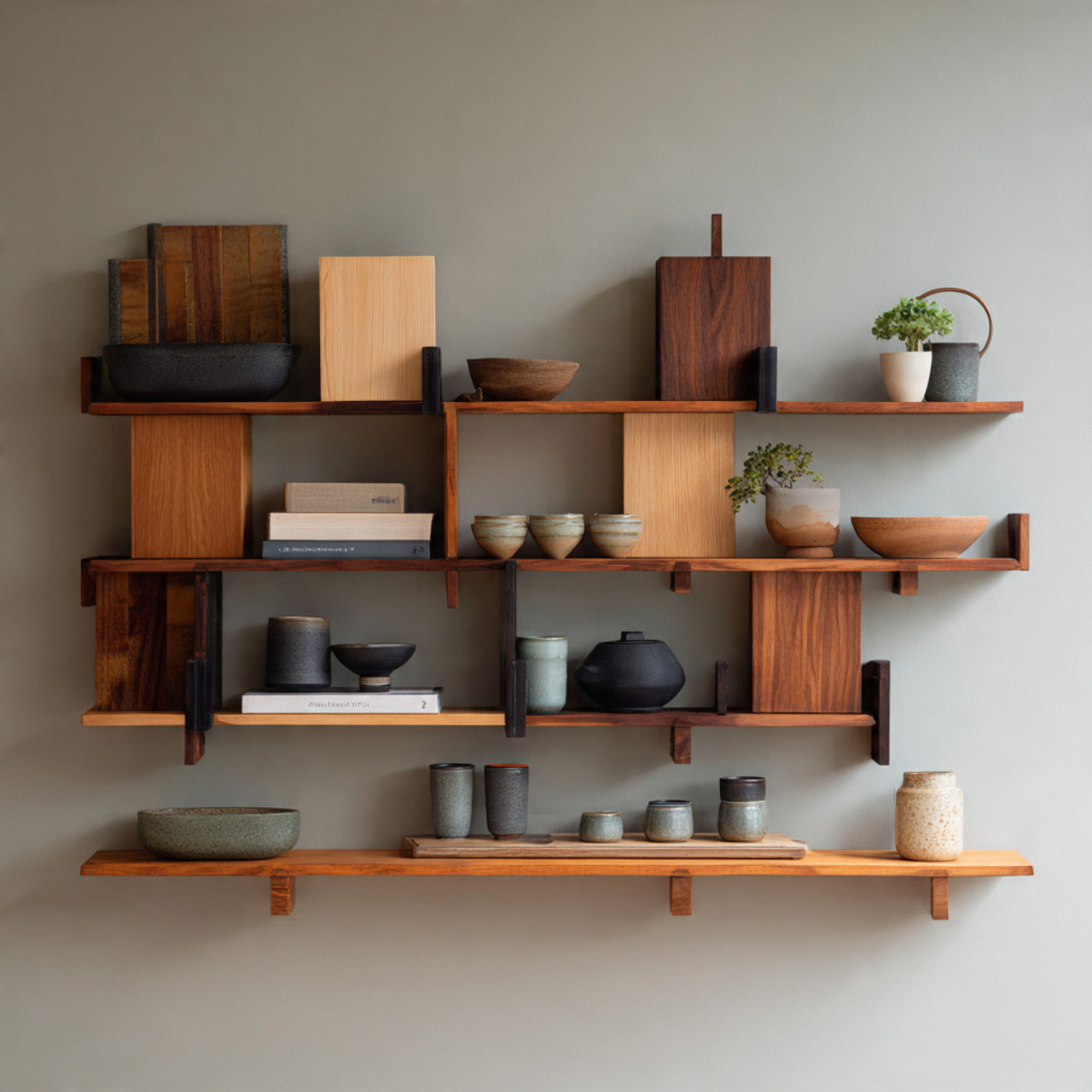
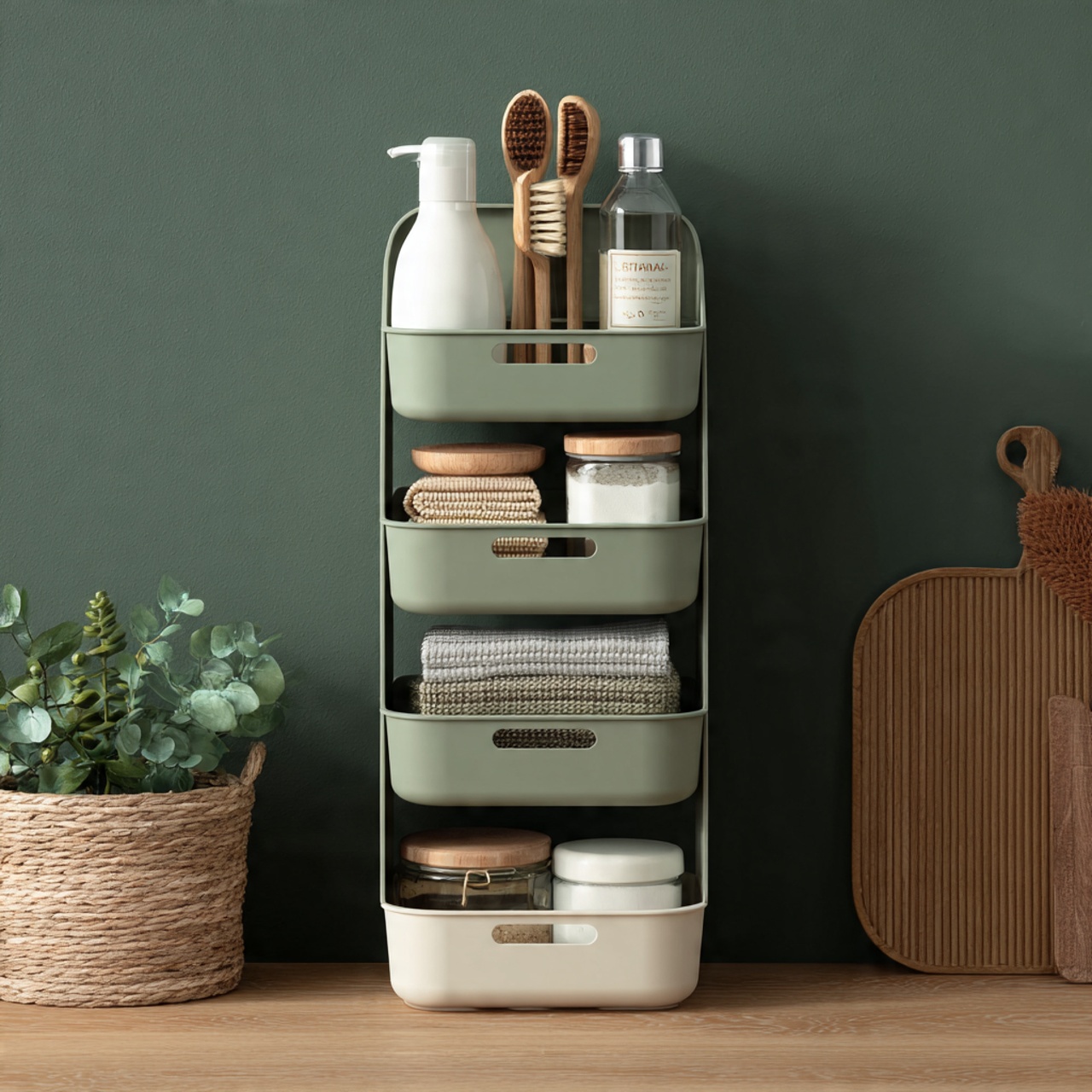
SHELVING & CABINETS
Fixed storage that supports zones and daily routines.
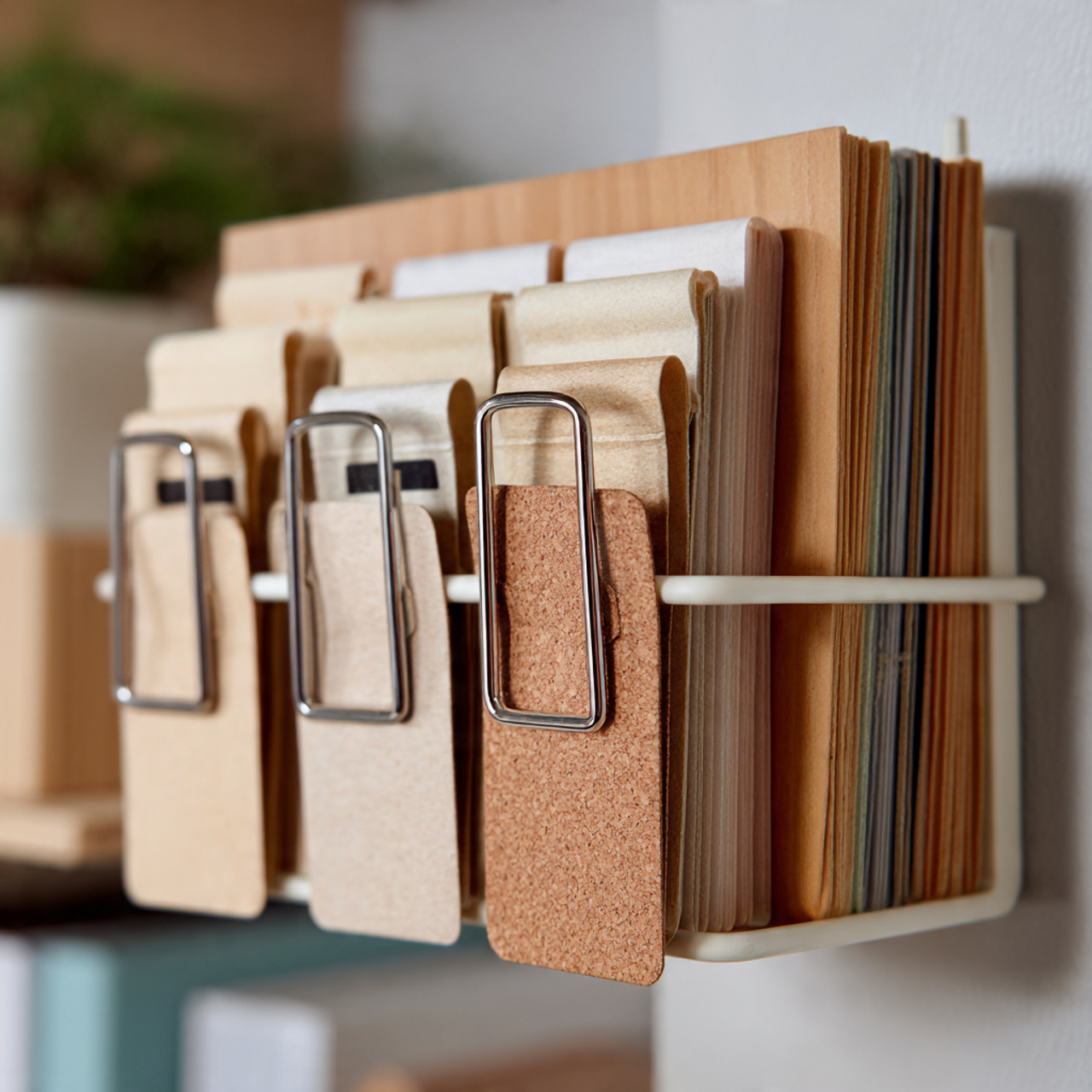
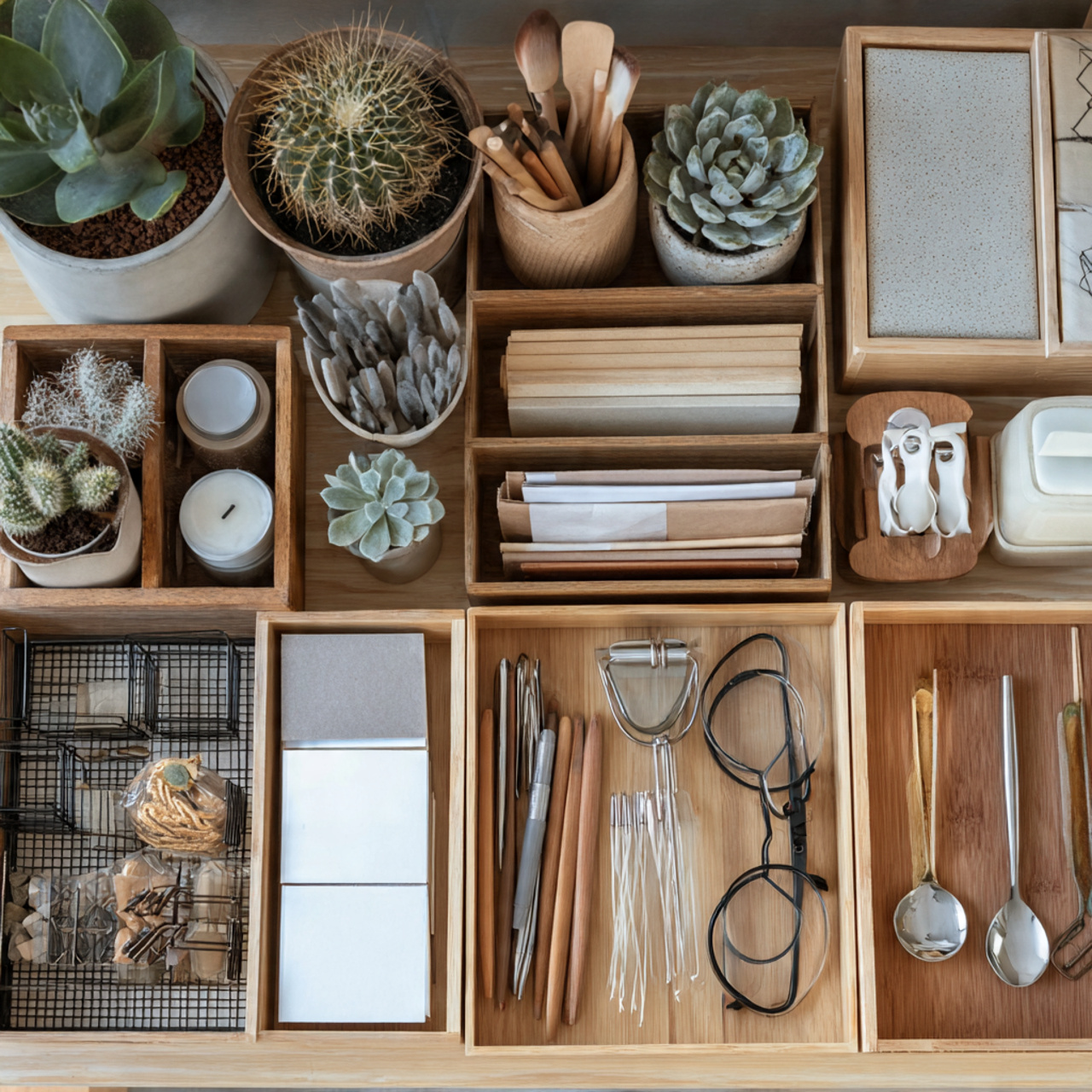
LABELS & VISIBILITY
Simple visibility tools that keep systems intact.
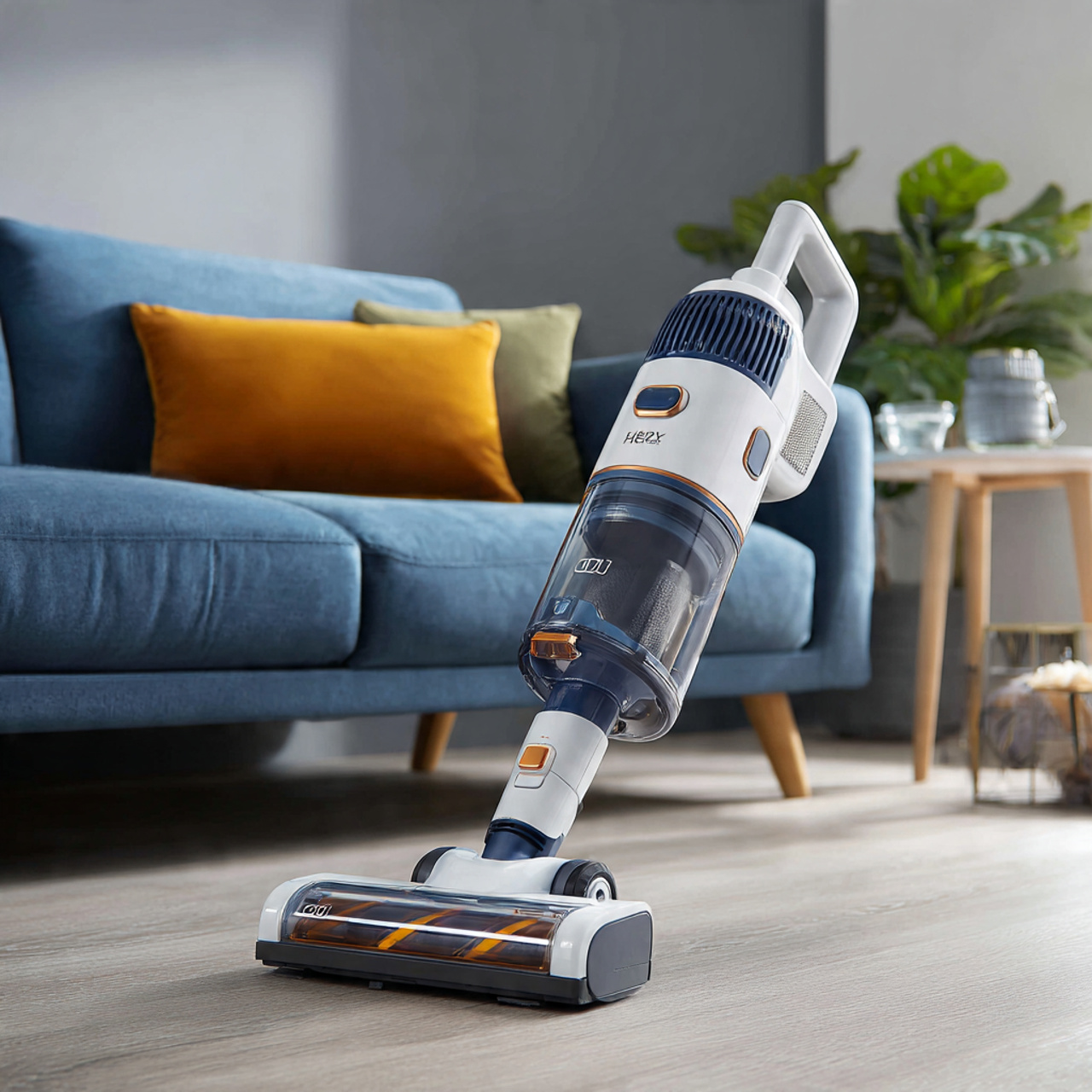
MAINTENANCE TOOLS
Tools that make quick resets effortless.
Common Bedroom Decor Mistakes to Avoid
Bedrooms affect rest more than any other room. Avoid these mistakes to keep your space calm and restorative.
❌ Mistake 1: Buying Containers Before Decluttering
Containers don’t solve excess.
Fix: Reduce items first, then organize.
❌ Mistake 2: Mixing Categories
Mixed storage causes confusion.
Fix: Assign one clear home per category.
❌ Mistake 3: Overcomplicating Systems
Complex systems are abandoned.
Fix: Keep storage simple and repeatable.
❌ Mistake 4: Ignoring Daily Habits
Unrealistic systems don’t last.
Fix: Design around how you actually use spaces.
❌ Mistake 5: No Reset Plan
Mess returns without resets.
Fix: Schedule quick weekly resets.
Save This Organization Guide for Later
Organization is a process. Save this guide to revisit system ideas, buying guidance, and curated picks when you’re ready.
Explore More Organization-Related Ideas
Living Room Decor Ideas —
Keep shared spaces clutter-free
Explore →
Kitchen Ideas —
Maintain efficient storage systems
Explore →
Bathroom Decor Ideas —
Hygienic, low-effort organization
Explore →
Entryway Essentials —
Daily drop-zone solutions
Explore →
Get Weekly Organization Notes
Practical systems, reset routines, and clutter-free strategies—sent occasionally, no noise.
Home Organization FAQs
Q1: What’s the best way to start organizing a home?
Declutter first, then design systems around daily habits.
Q2: Are open shelves good for organization?
Only for frequently used items; closed storage reduces visual clutter.
Q3: How do I keep organization systems maintained?
Use simple systems and schedule quick weekly resets.
Q4: Do labels really help?
Yes—clear labels reduce friction and keep systems intact.
Q5: How much storage is enough?
Enough to house daily items without overflow; more storage isn’t always better.
Design Systems That Keep Your Home Calm
Lasting organization is built on simple systems and realistic habits.
Use this guide as a reference and refine your spaces step by step.