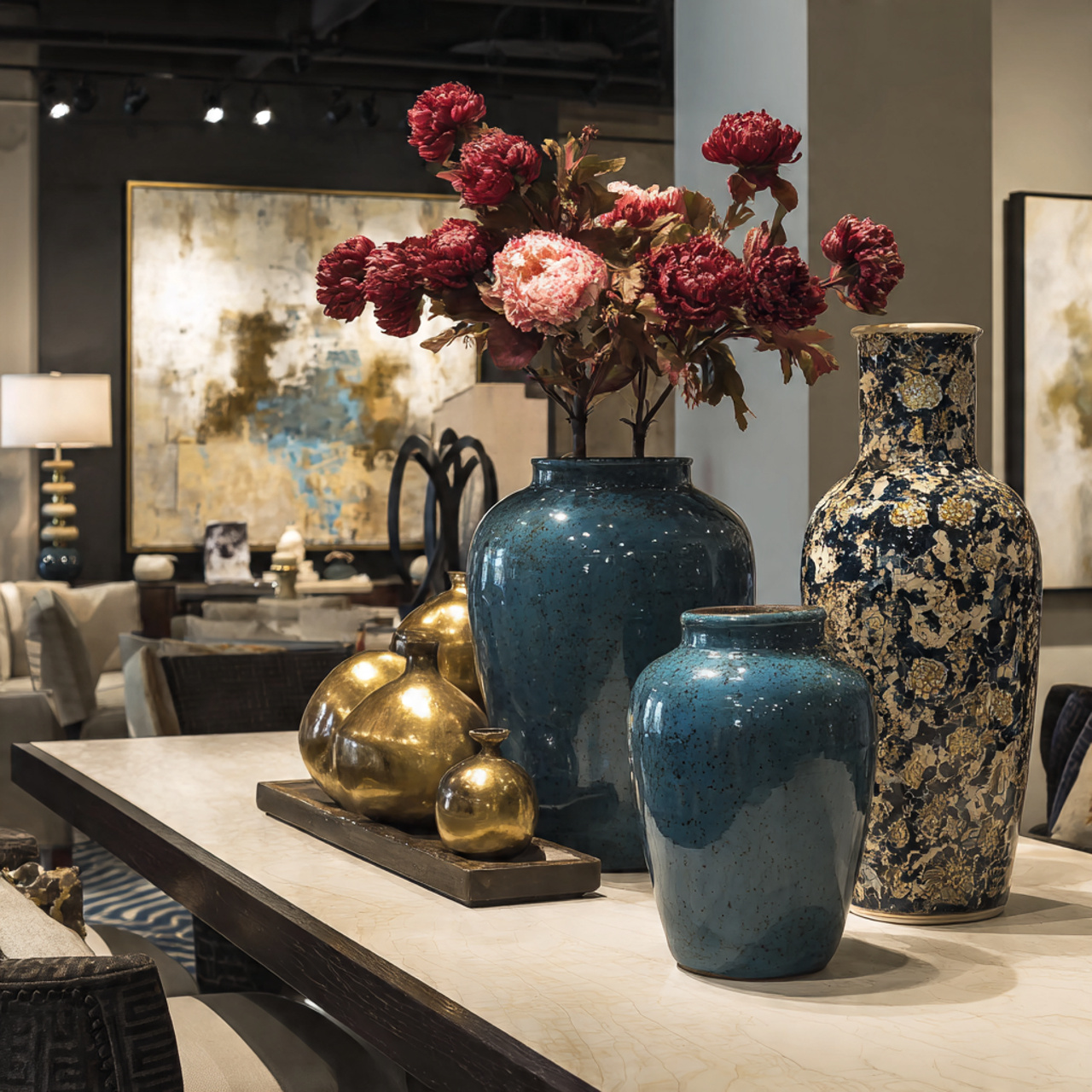
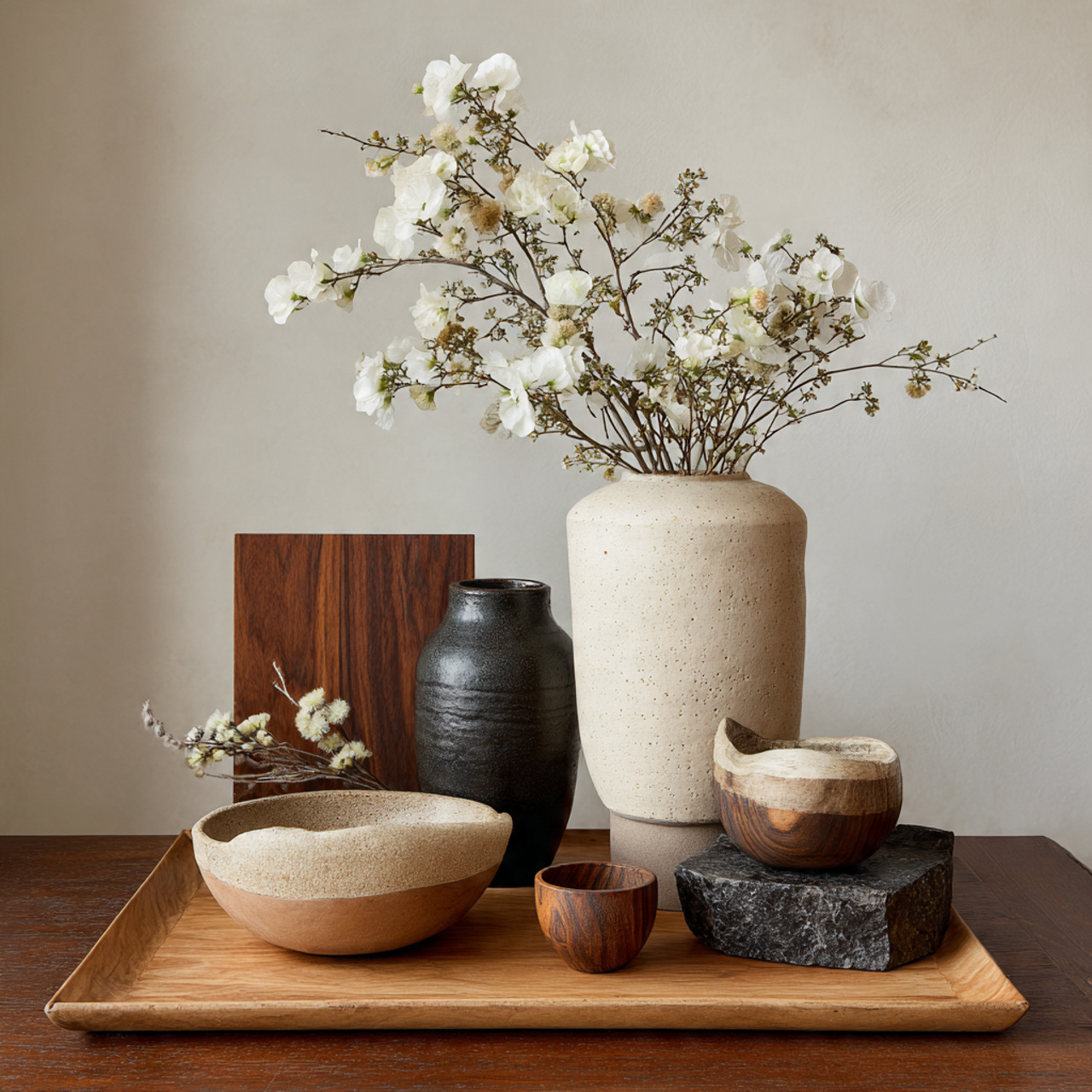
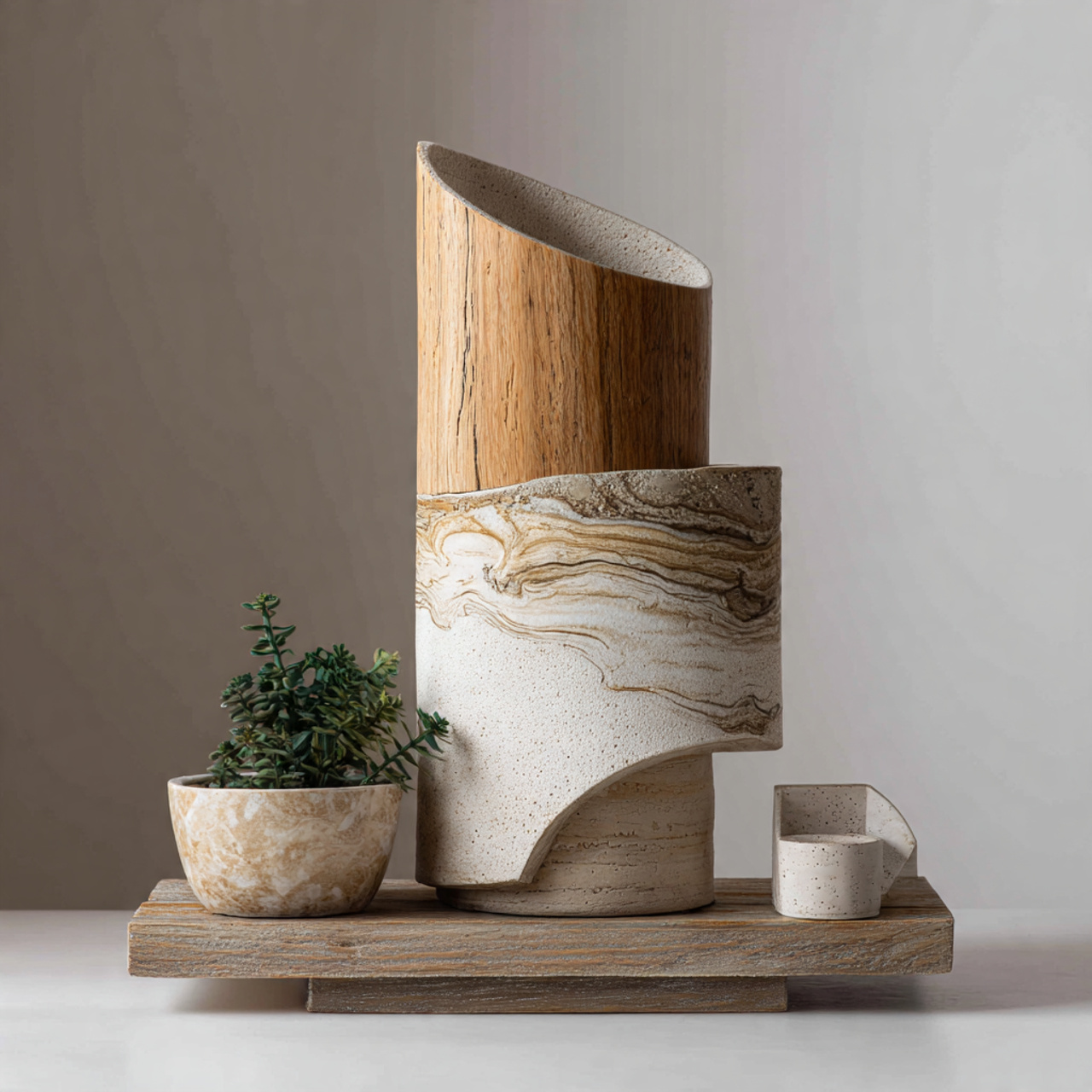
Tabletop Décor & Accent Pieces Designed for Balance and Detail
Explore tabletop décor and accent pieces that add character, texture, and focus—without overwhelming surfaces.
Style Tabletop Surfaces with Intent
Tabletop décor works best when scale, spacing, and use are considered together. Use this snapshot to style surfaces that feel balanced and usable.
Piece Count
Limit surfaces to one to three accent pieces for clarity and calm.
Height Variation
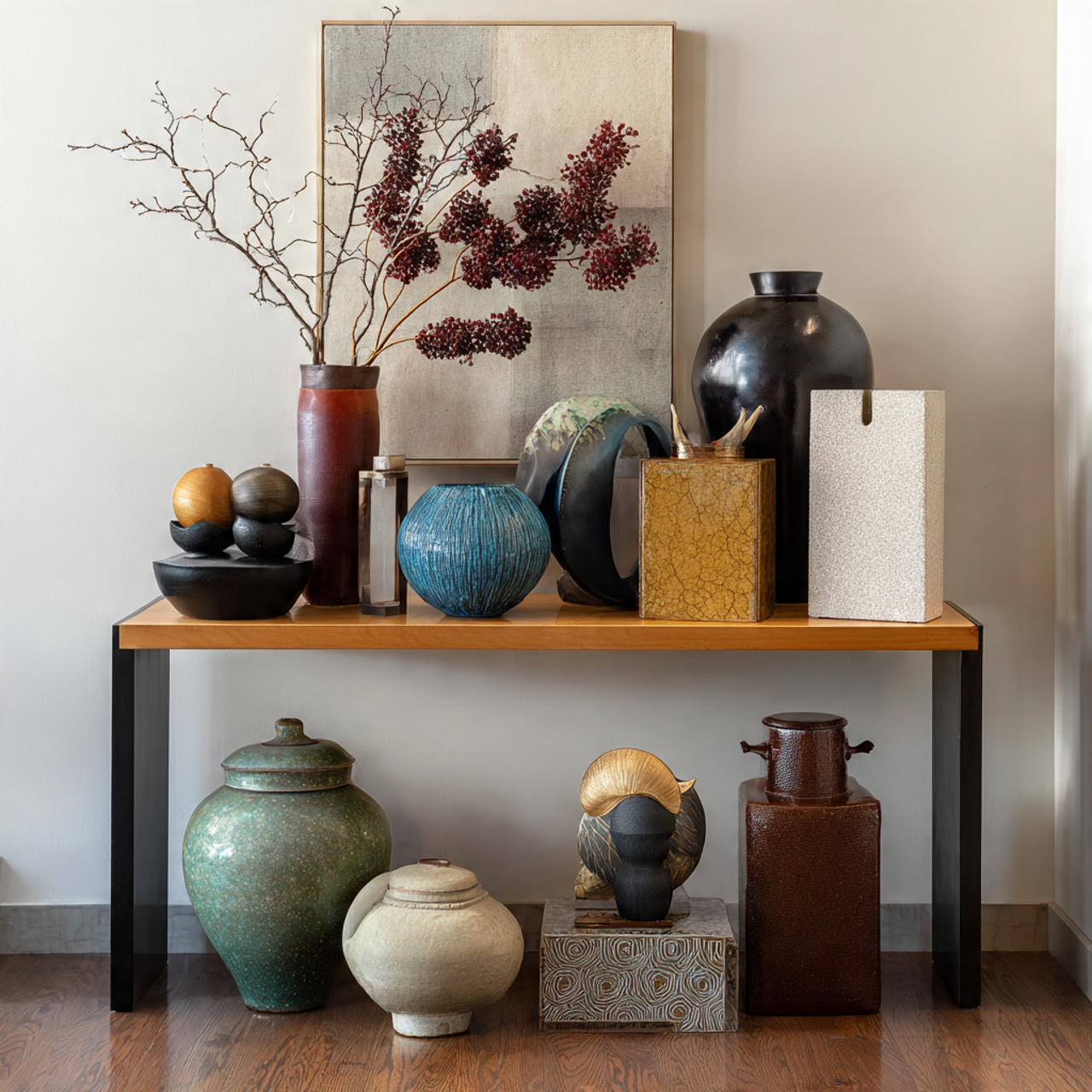
Mix one taller element with lower accents to create visual rhythm.
Spacing & Negative Space
Leave open space around objects so each piece can breathe.
Surface Function
Style around how the surface is actually used, not just how it looks.
Tabletop Styling Foundations That Always Feel Right
Before choosing decorative objects, get these tabletop fundamentals right. They determine whether a surface feels intentional—or cluttered.
Restraint First
- Every surface needs a visual pause.
- Too many accents compete for attention.
- Remove pieces that don’t serve the composition.
Rule: Fewer objects create stronger impact.
Anchor & Support
- Choose one primary piece to anchor the surface.
- Use smaller items only to support it.
- Avoid multiple focal points on one surface.
Rule: One anchor per surface.
Use-Led Styling
- Style around how the surface is used daily.
- Leave clear space for hands, books, or drinks.
- Decorative objects should never block function.
Rule: Function defines placement.
Choose a Tabletop Rhythm That Feels Intentional
These tabletop approaches focus on spacing, height variation, and visual calm. Choose the rhythm that suits how the surface is used—every day.
Single Anchor
One sculptural object holds the surface with confidence.
Best for:
Small tables and minimalist spaces.
Tall + Low Pair
A tall piece paired with a low accent creates calm visual rhythm.
Best for:
Console tables and sideboards.
Odd-Number Group
Three coordinated items styled as one visual unit.
Best for:
Coffee tables and shelving.
Open Space Focus
Minimal accents with generous negative space let surfaces breathe.
Best for:
High-use or modern spaces.
How to Choose Tabletop Accents That Feel Refined
Accent pieces should elevate surfaces through scale, material, and restraint. Use this guide to select objects that add interest without visual noise.
Scale & Proportion
Accent pieces should relate to the size of the surface and nearby furniture.
- Look for:
- One piece large enough to anchor the surface
- Objects that don’t feel lost or oversized
- Proportions that feel stable and grounded
Avoid:
Tiny objects scattered across large surfaces
Oversized pieces crowding small tables
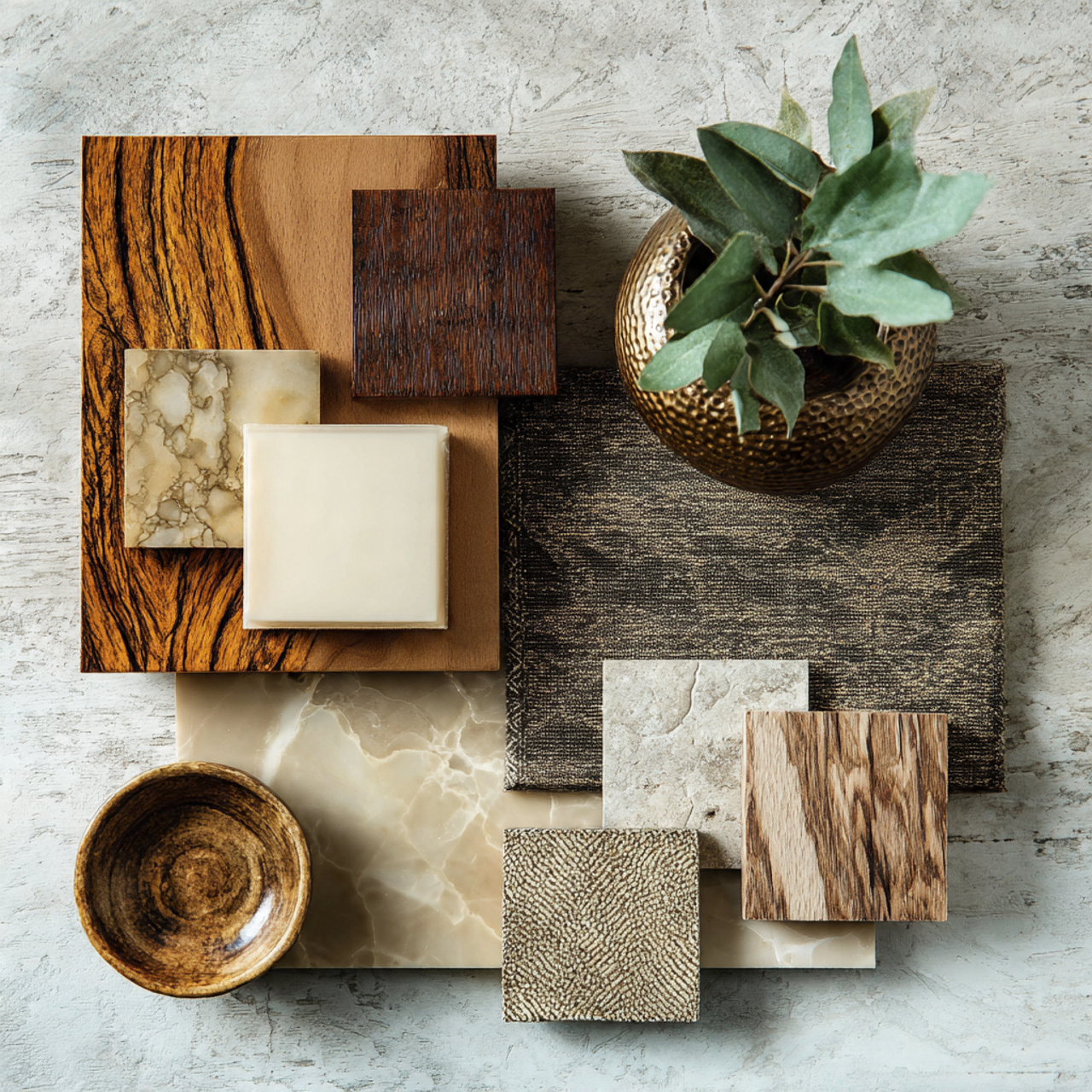
Material & Finish
Materials set the tone of tabletop styling.
- Look for:
- Ceramic, stone, glass, or wood in matte finishes
- Limited material variety per surface
- Finishes that complement nearby furniture
Avoid:
Too many glossy or reflective finishes
Mixing unrelated materials on one surface
Visual Weight & Balance
Every surface needs balance between solid and open space.
- Look for:
- One visually heavier object balanced with lighter accents
- Clear breathing room around objects
- Height variation without crowding
Avoid:
Evenly weighted objects competing for attention
Filling every inch of the surface
Quantity & Editing Discipline
Strong tabletop styling comes from editing.
- Look for:
- One to three pieces per surface
- Objects that serve a clear role
- Willingness to remove excess
Avoid:
Keeping pieces “just because”
Styling for quantity rather than impac
Ravnora Curated Tabletop Accent Picks
Accent pieces selected for proportion, texture, and restraint—designed to elevate surfaces without clutter.
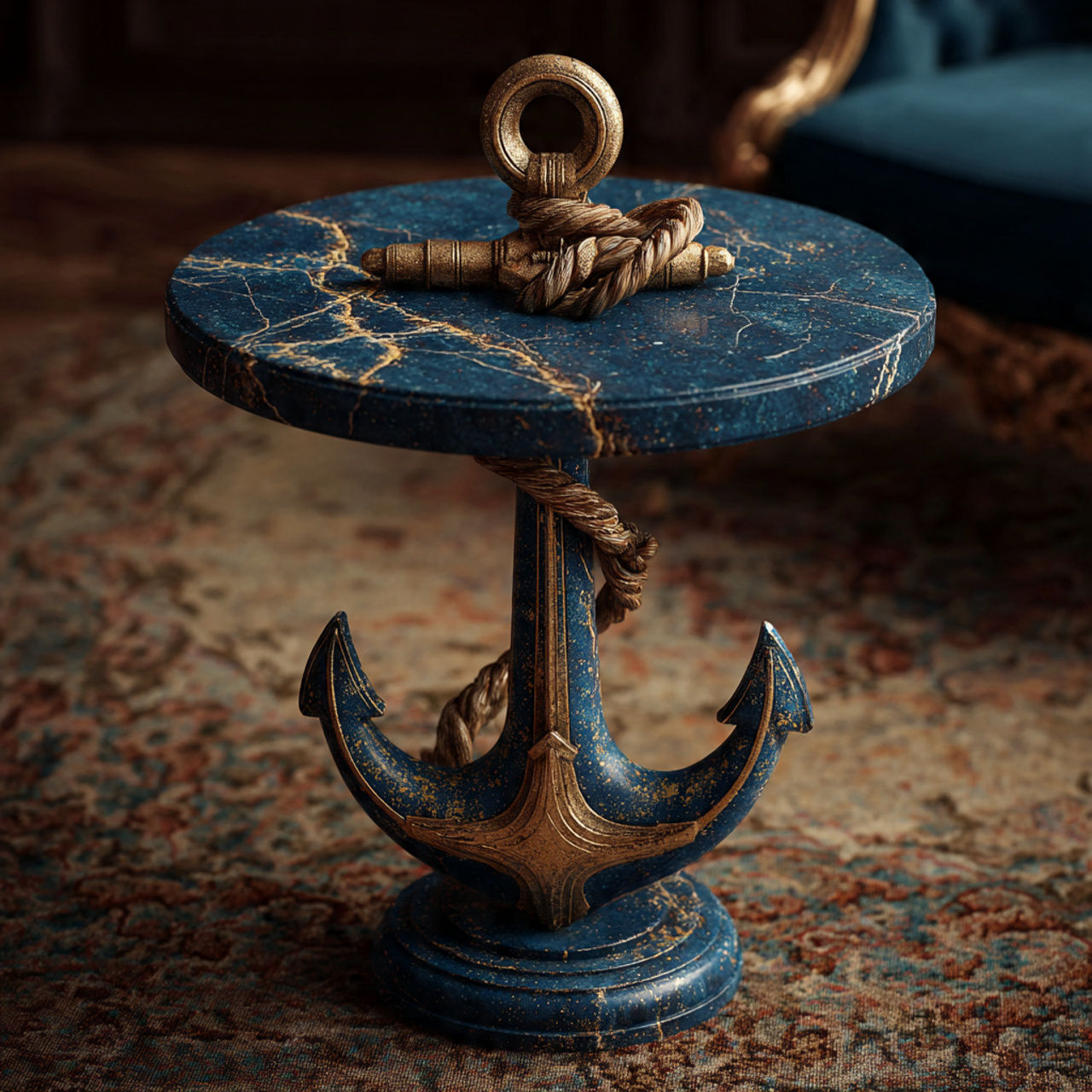
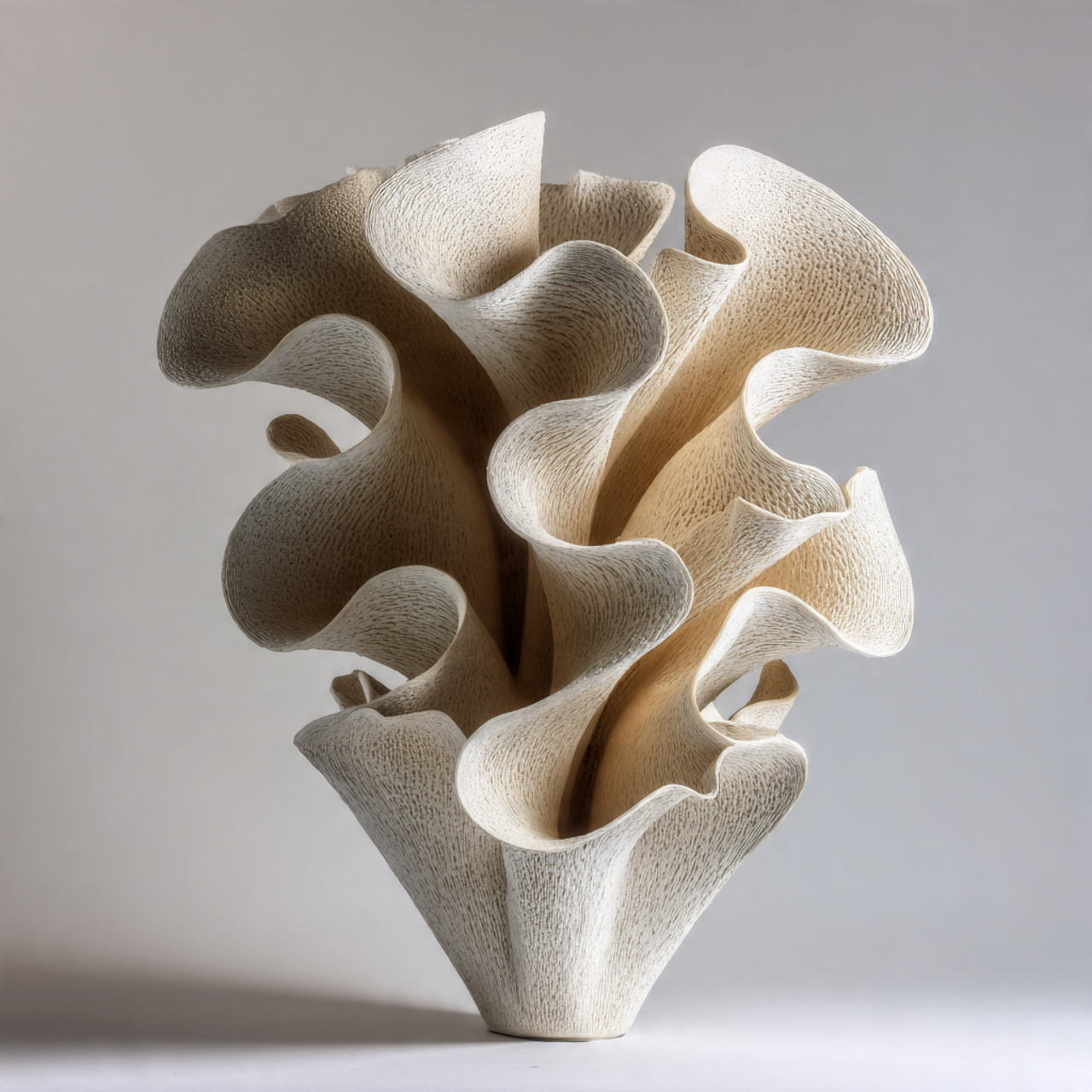
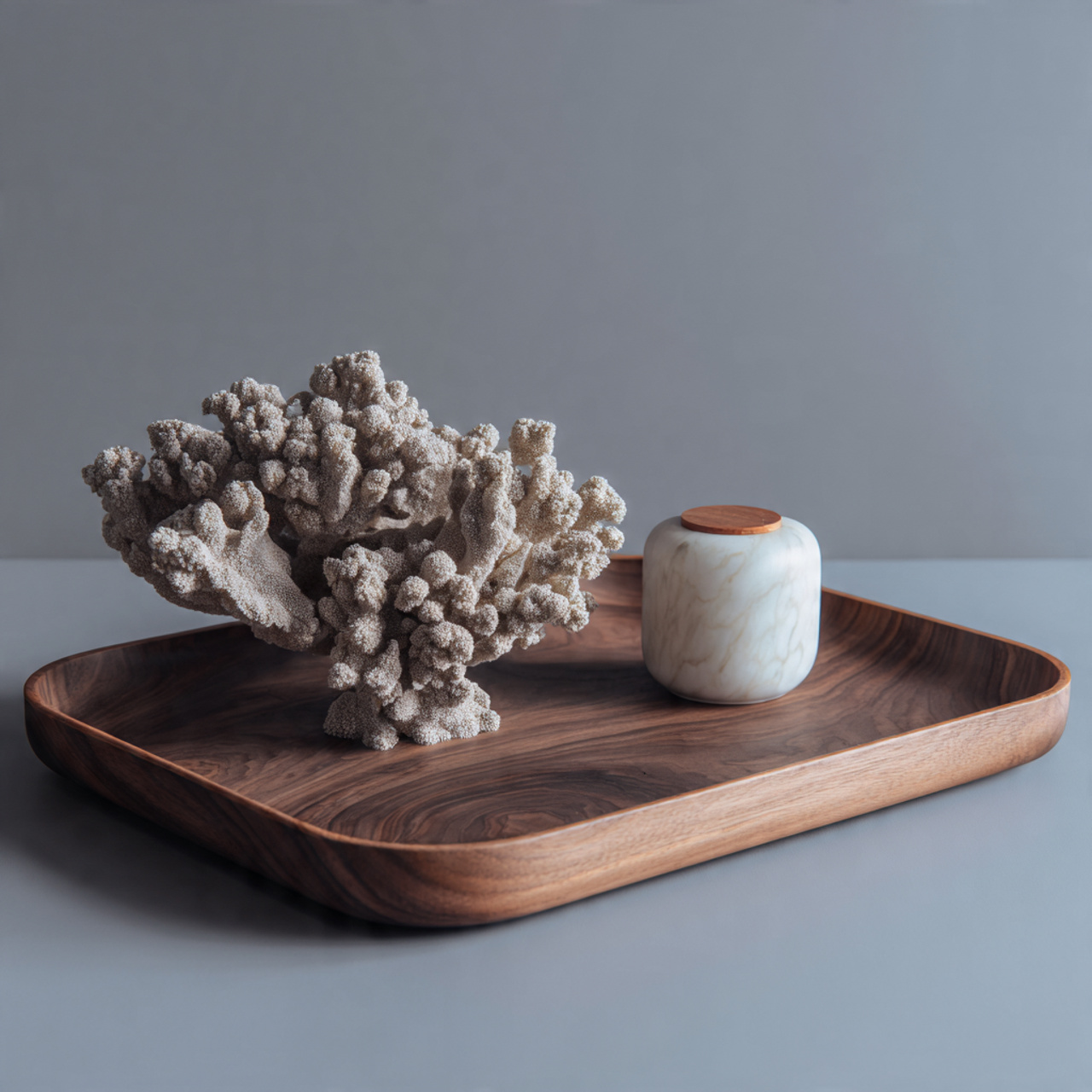
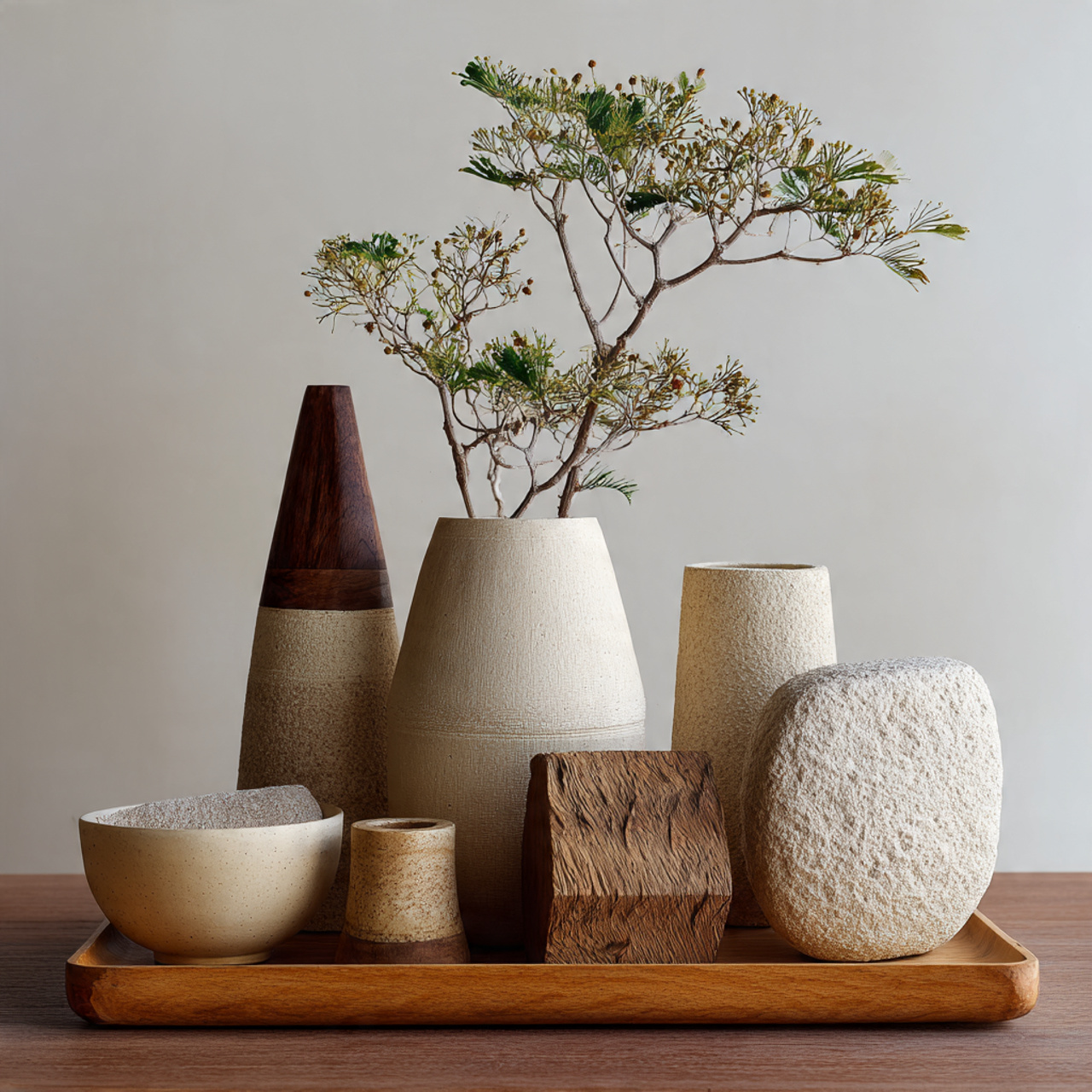
BLOCK 1 — STATEMENT ANCHORS
Confident pieces that ground a surface.
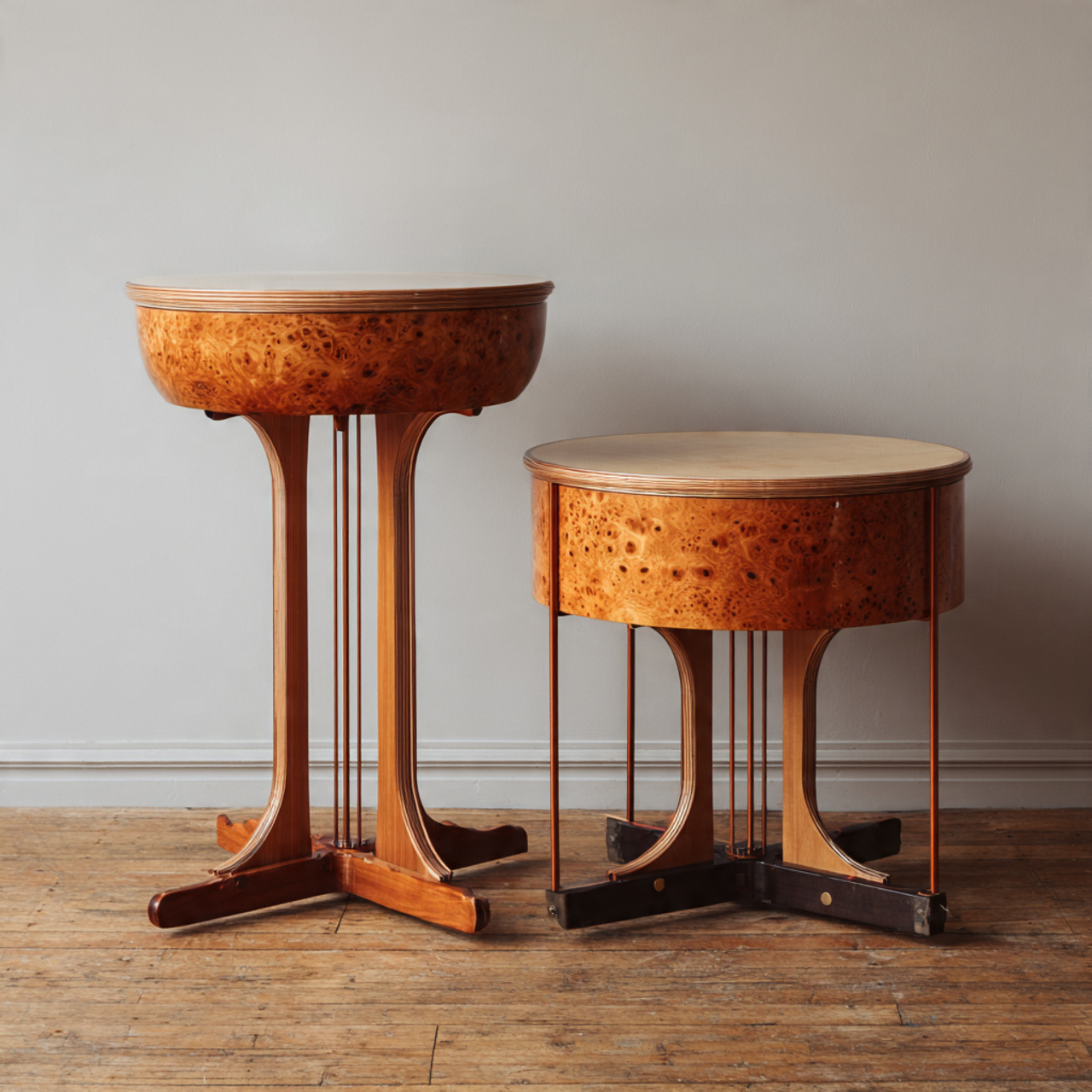
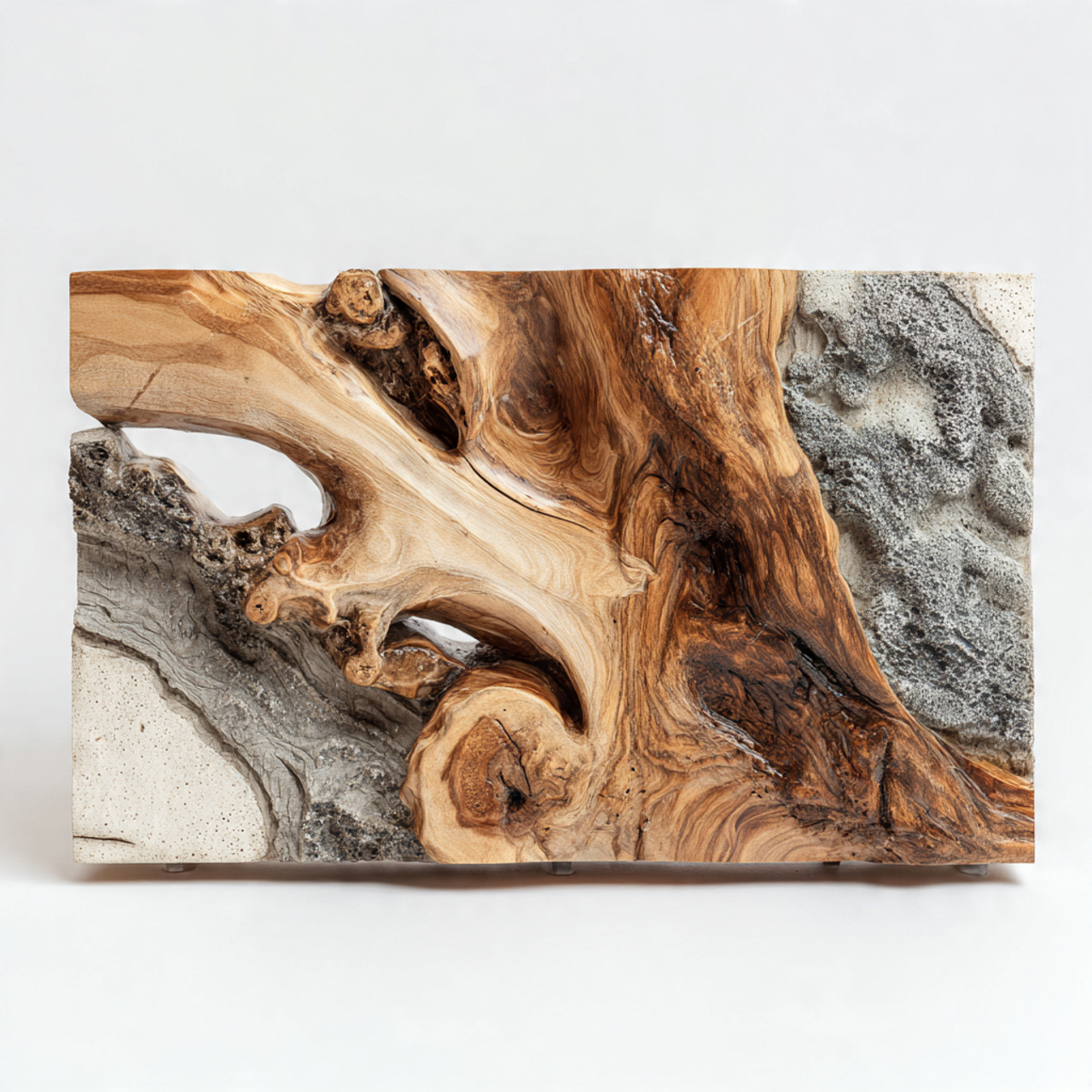
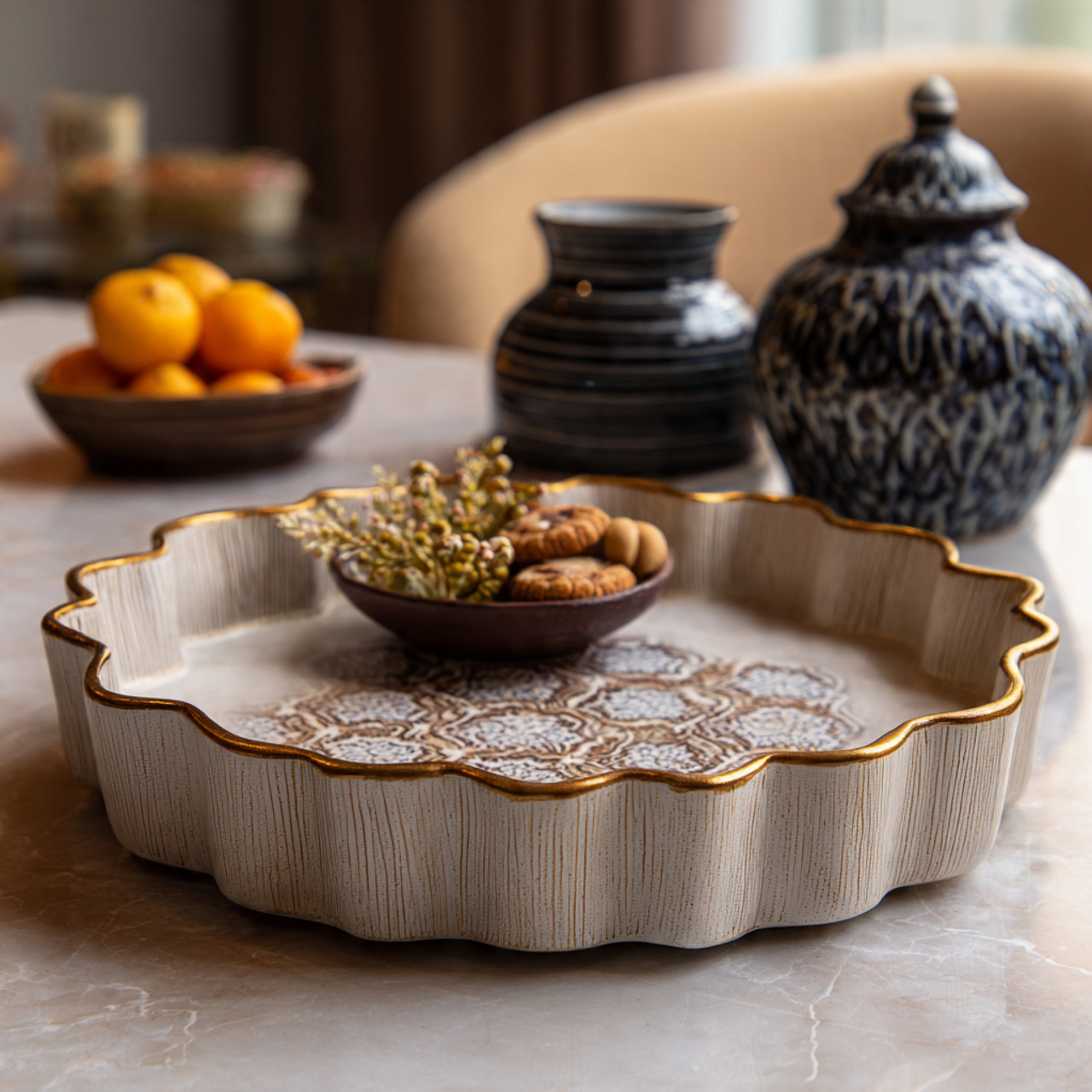
BLOCK 2 — PAIRS & RHYTHM
Controlled combinations for calm movement.
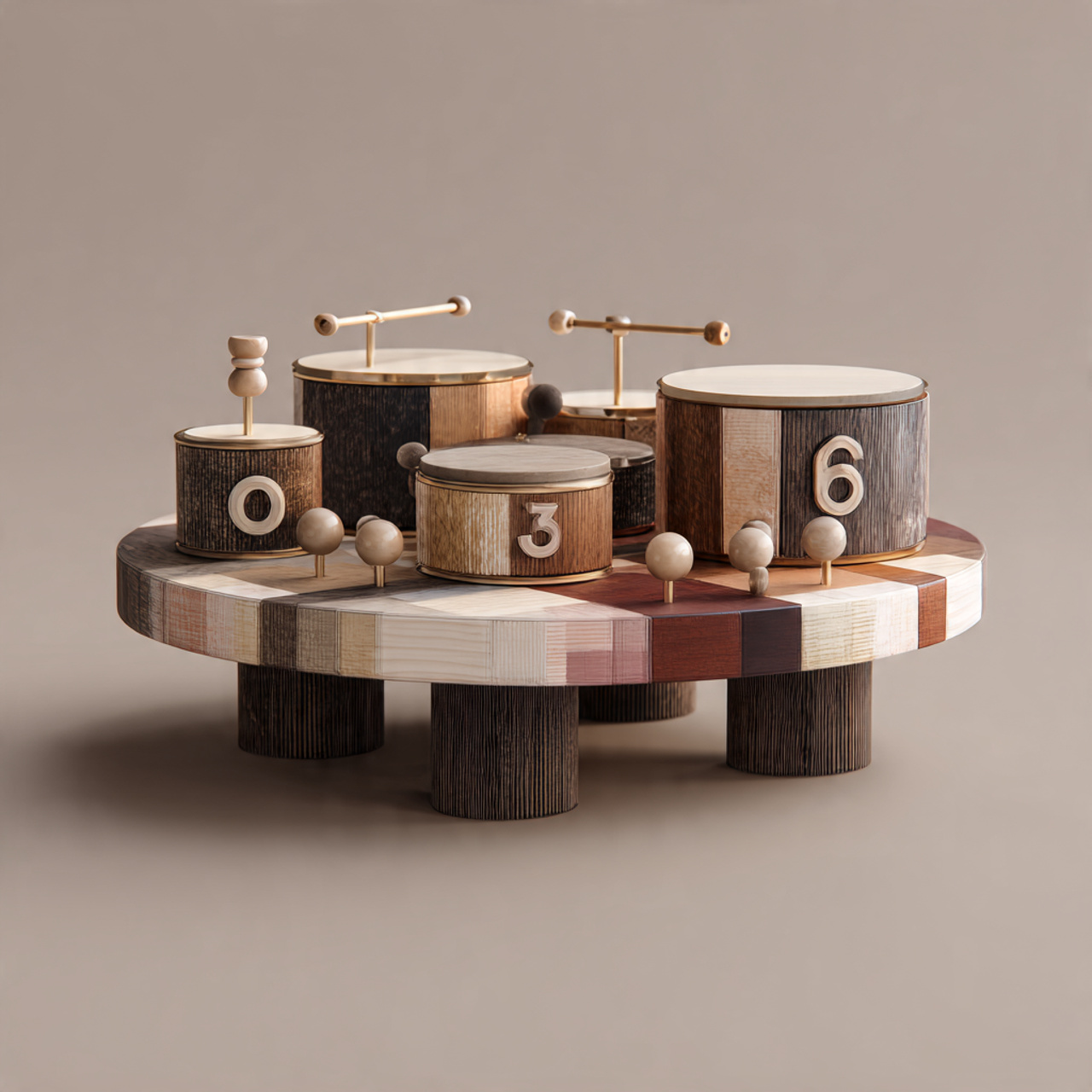
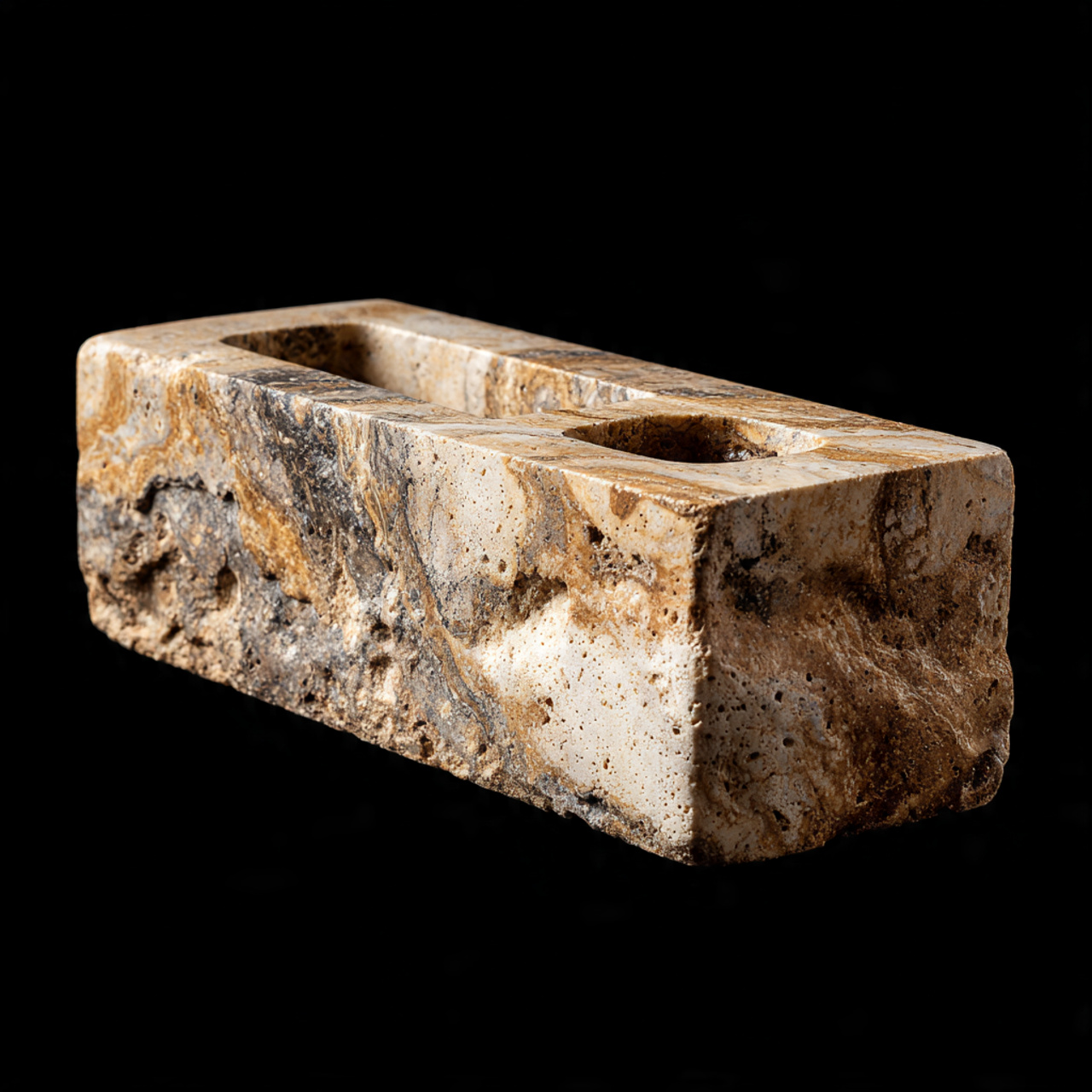
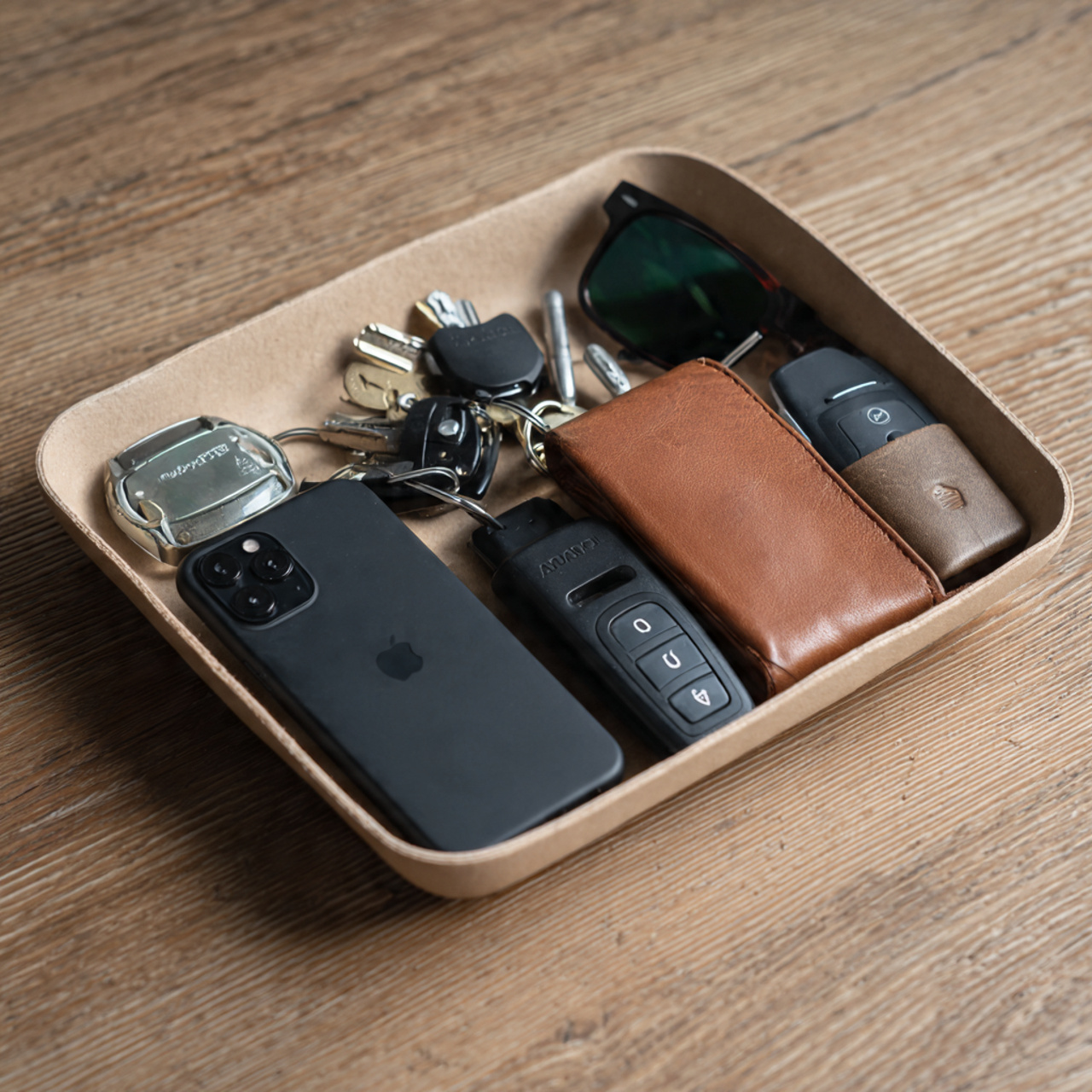
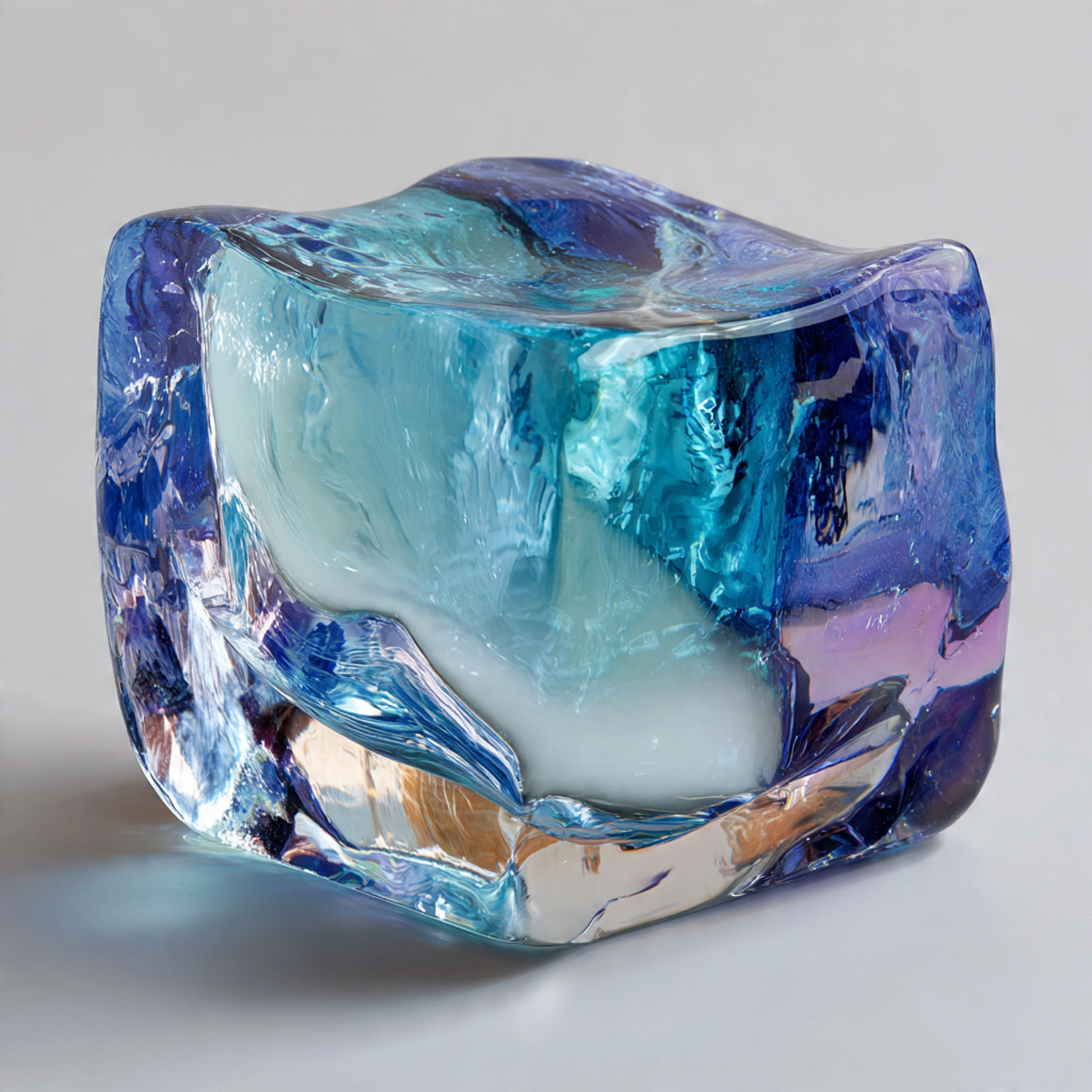
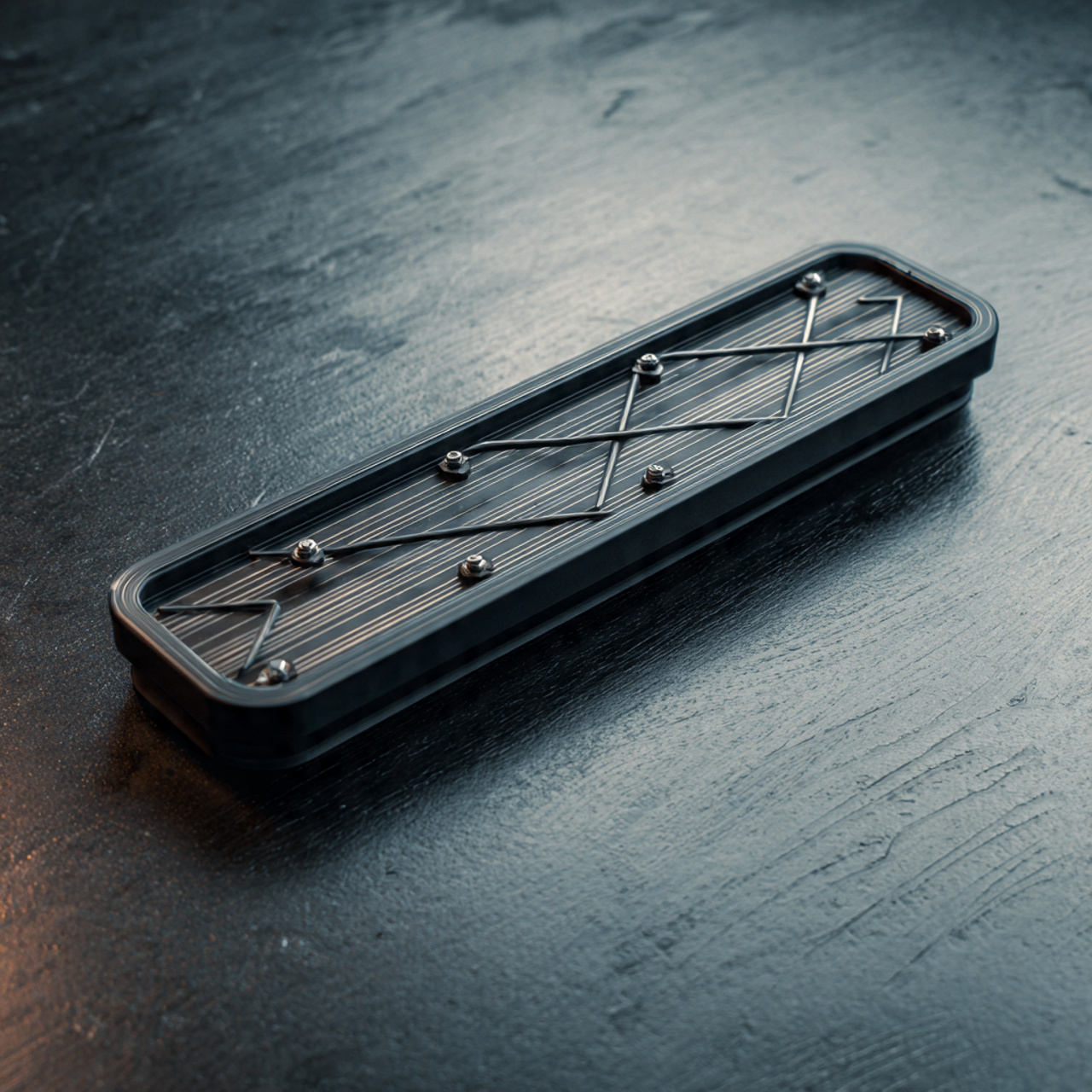
BLOCK 3 — FUNCTIONAL ACCENTS
Useful pieces that still feel styled.
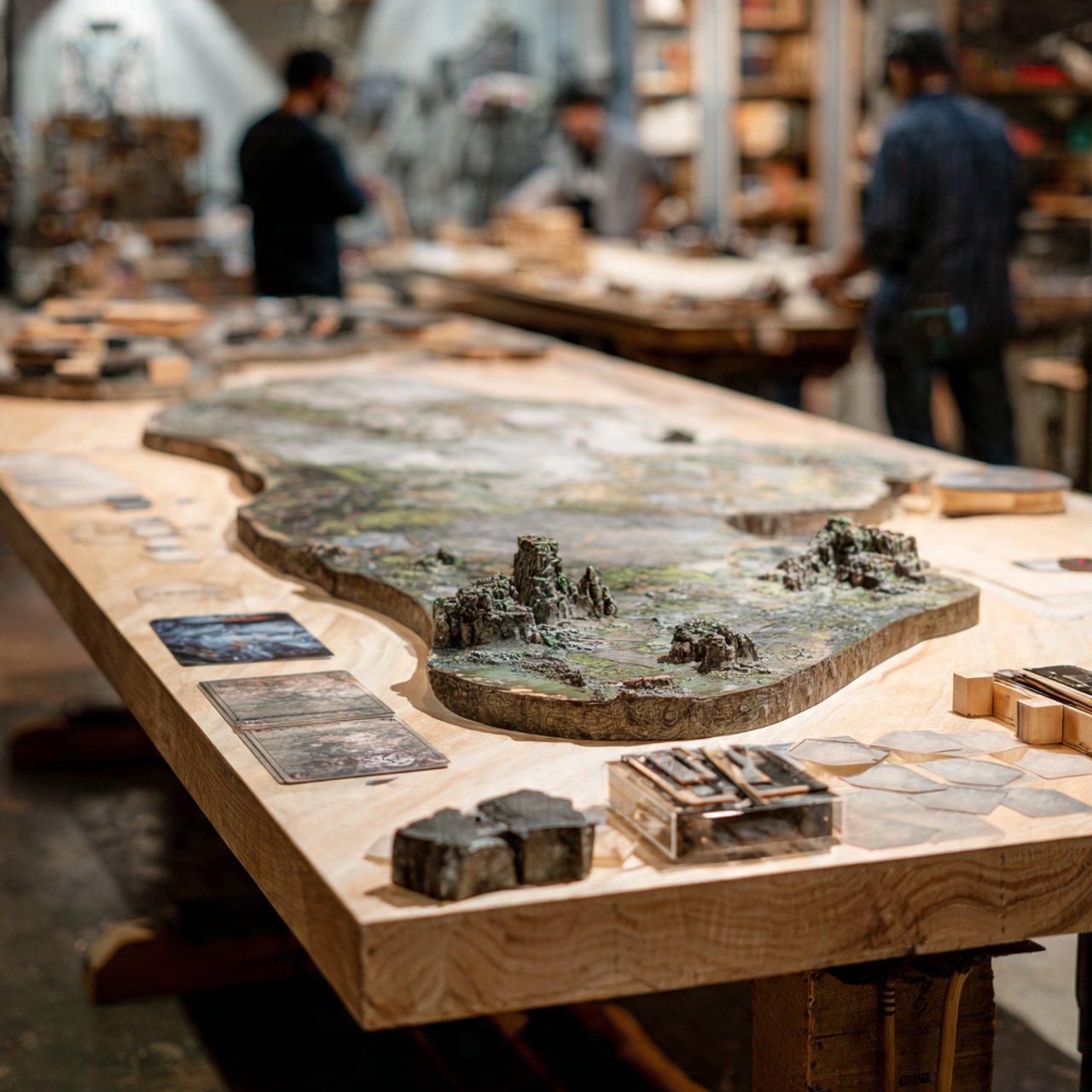
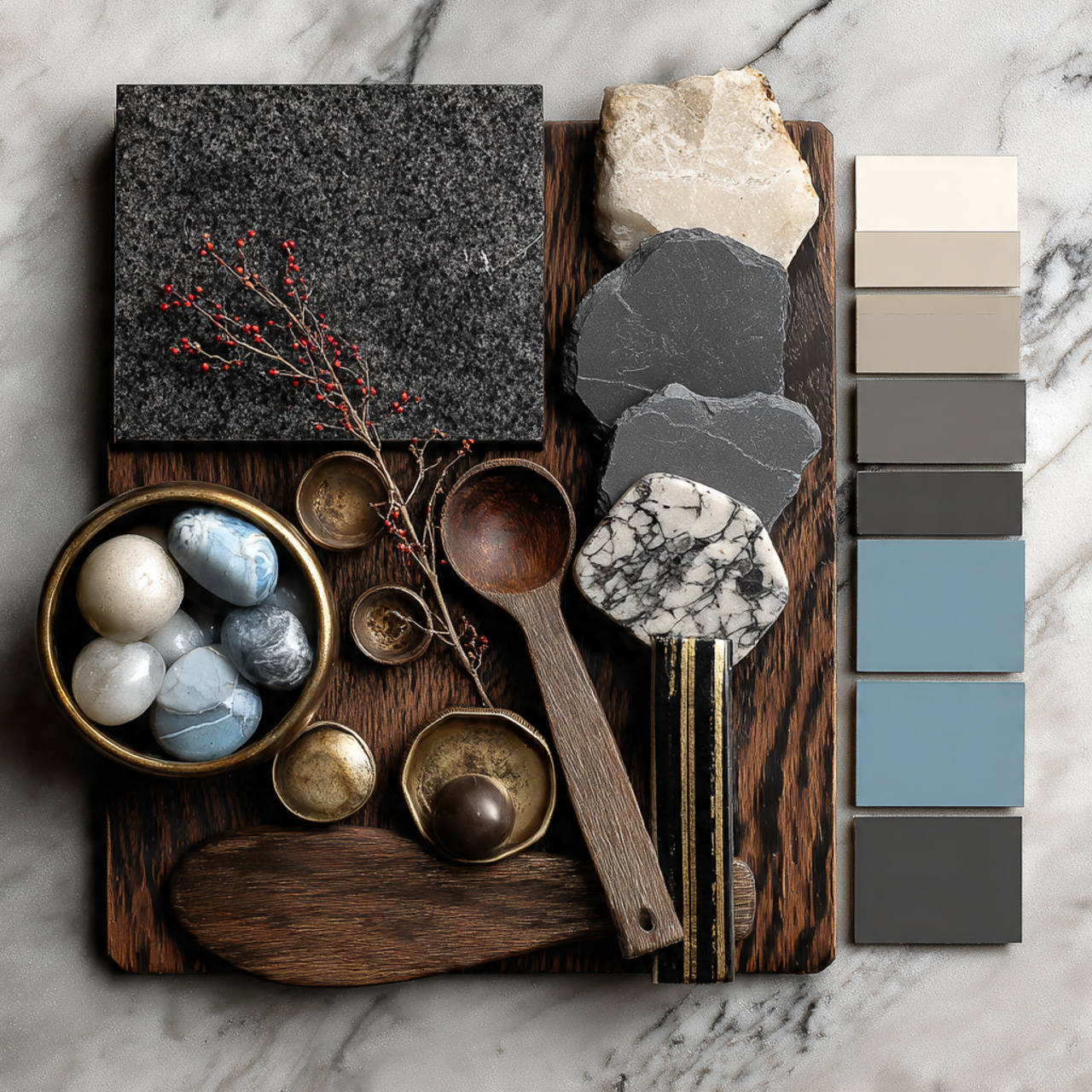
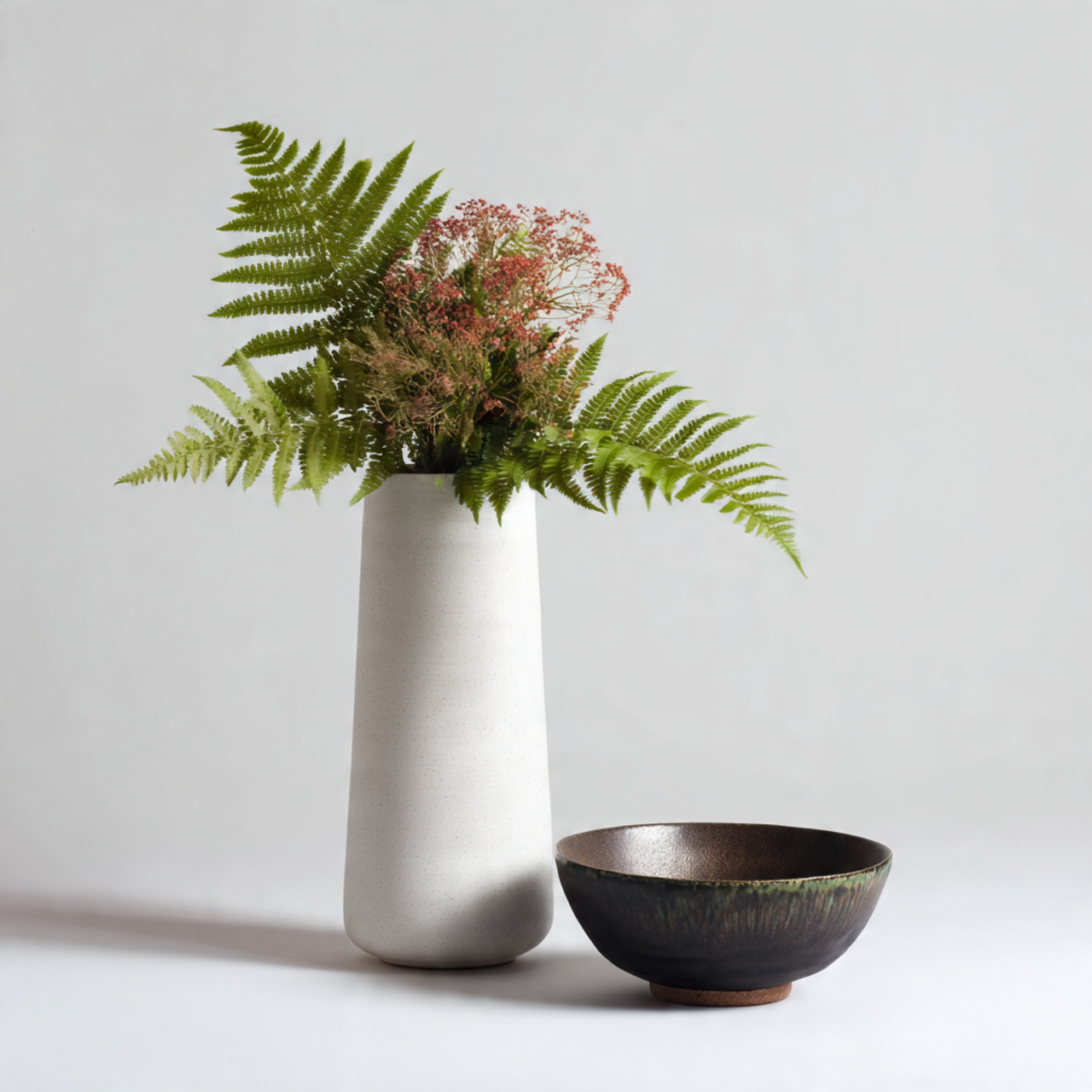
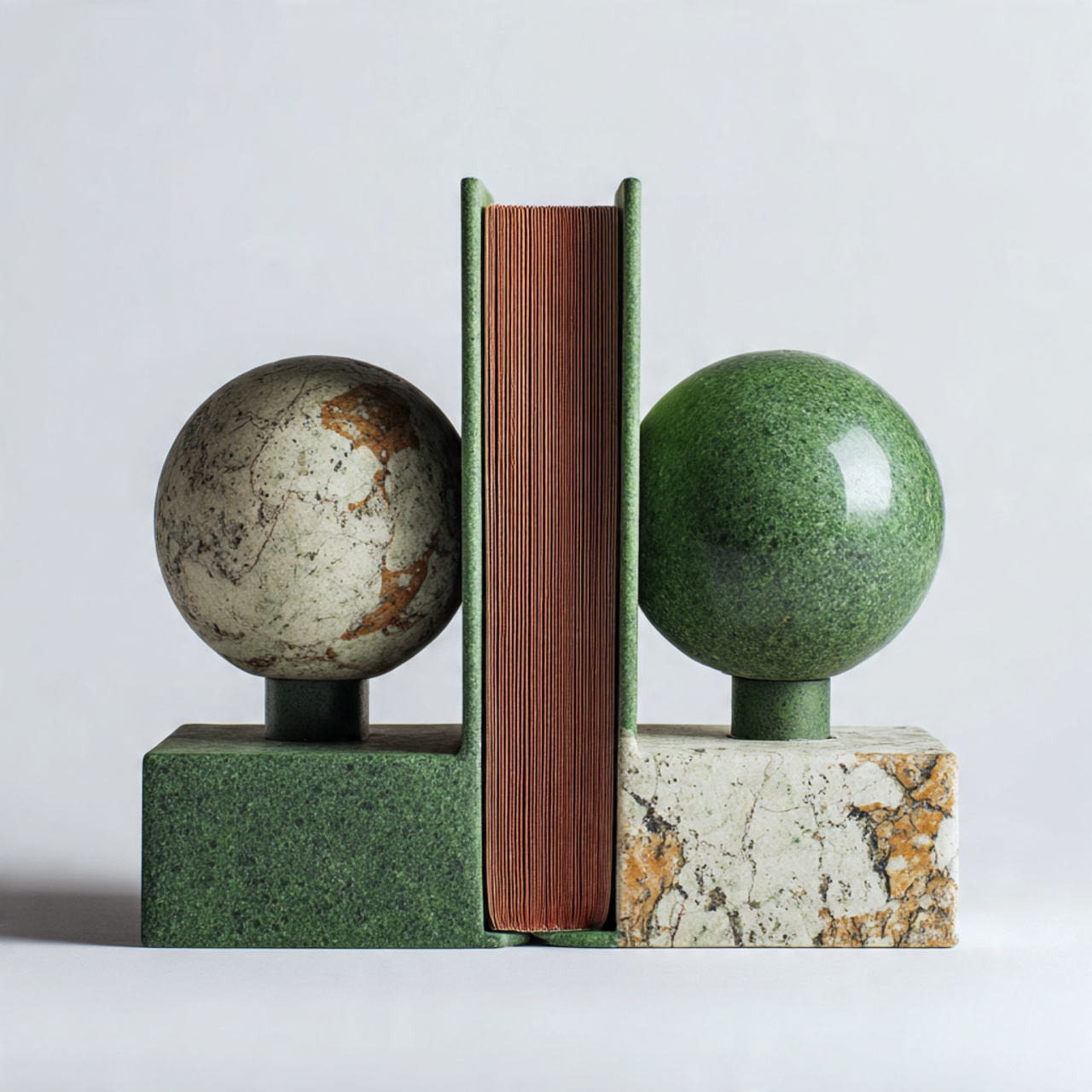
BLOCK 4 — SUBTLE ATMOSPHERE
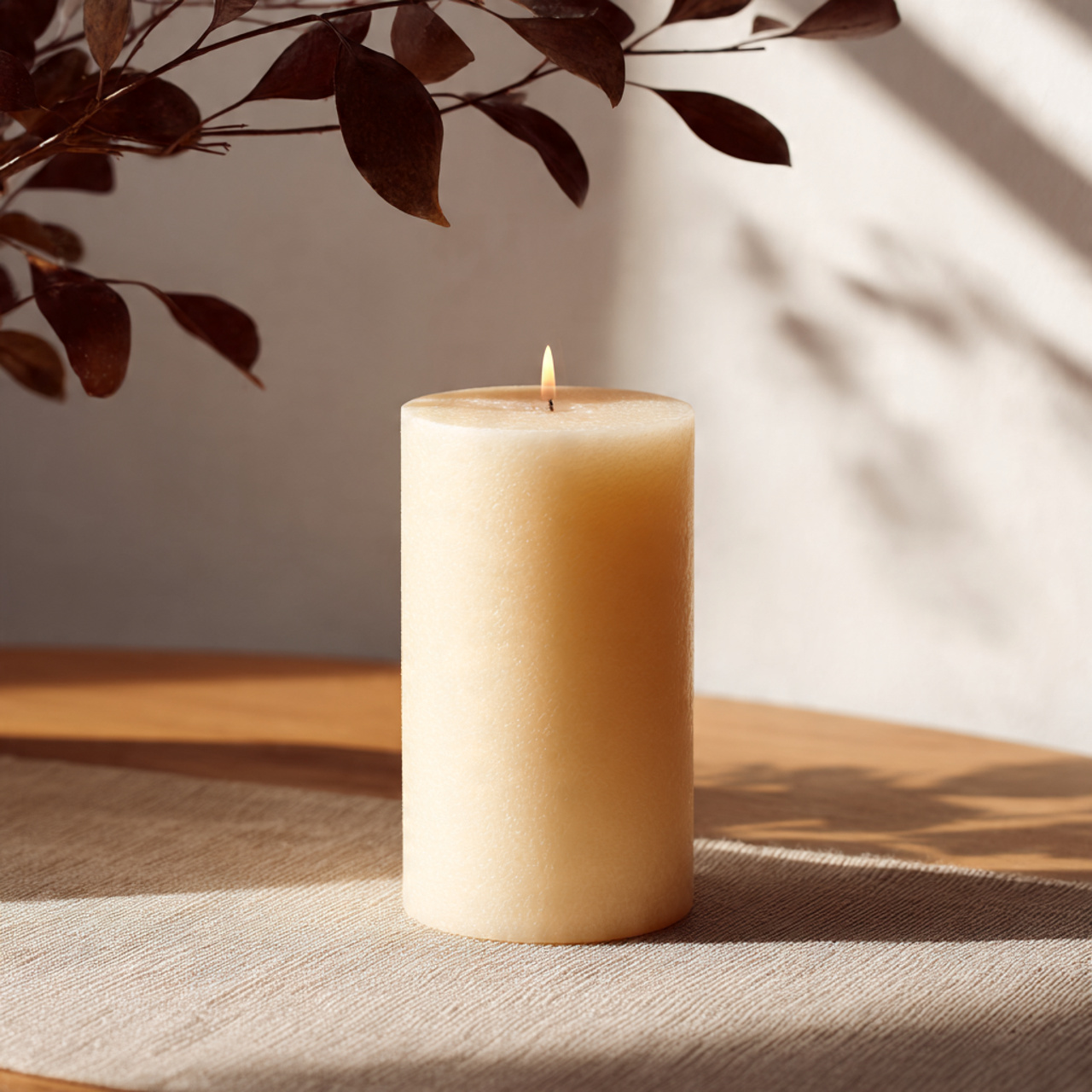
Atmosphere without dominance.
Common Tabletop Styling Mistakes to Avoid
Most surface issues come from excess and imbalance. Avoid these mistakes for calm, usable styling.
❌ Too many small objects — visual noise.
Fix: Choose one anchor.
❌ No height contrast — flat look.
Fix: Mix tall and low.
❌ Crowded trays — cluttered feel.
Fix: Leave negative space.
❌ Blocking function — impractical.
Fix: Style around use.
❌ Mixed finishes — restless surfaces.
Fix: Limit materials.
Save This Tabletop Styling Guide for Later
Surface styling rewards restraint. Save this guide to revisit spacing rules, rhythms, and curated picks.
Explore More Detail-Focused Ideas
Living Room Decor Ideas —
refined surfaces
Explore →
Bedroom Decor Ideas —
calm bedside styling
Explore →
Soft Furnishings & Cozy Textiles —
tactile balance
Explore →
Lighting & Lamps —
ambient support
Explore →
Get Surface Styling Notes
Short guidance on scale, spacing, and restraint—sent occasionally, no noise.
Tabletop Décor & Accent Pieces FAQs
Q1: How many items should be on a table?
One to three, depending on size.
Q2: Should all pieces match?
No—coordinate materials, not duplicates.
Q3: How do I keep surfaces usable?
Leave clear space for daily use.
Q4: Do candles count as décor?
Yes, when used sparingly.
Q5: What’s the biggest mistake?
Over-accessorizing.
Style Surfaces with Intention
Great tabletop styling balances scale, spacing, and purpose. Use this guide to elevate details without clutter.