
 OPEN
OPEN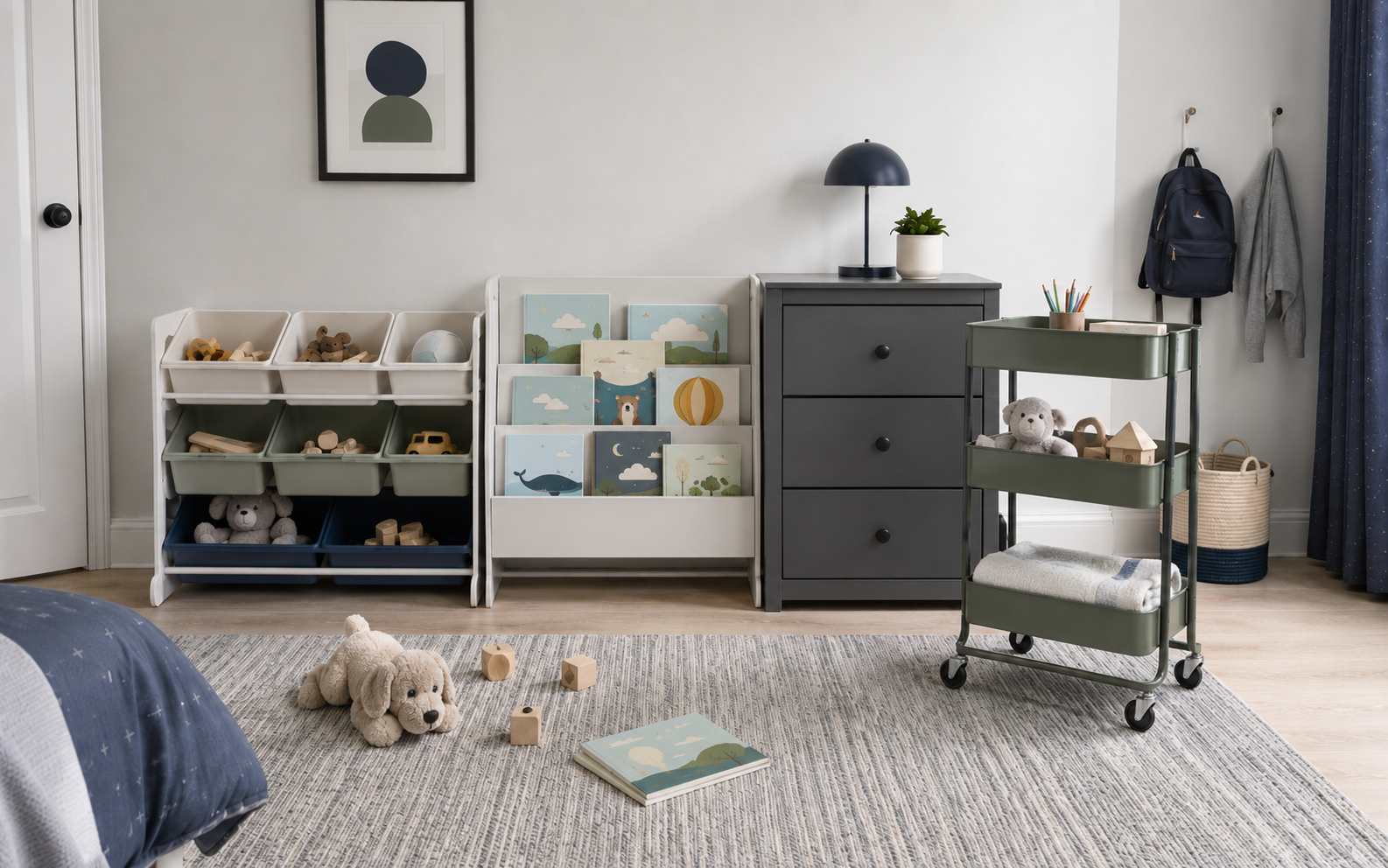
Kids Room Storage
Find where the mess stops moving.
If the same toys, books, clothes or projects keep escaping, the room is already telling you what kind of storage it needs.
What keeps escaping?
Interactive Room Read
Where does the mess land?
Pick the problem you notice without overthinking it. The room will show the shortest path back.
TOYS KEEP LANDING HERE
Shorten the return path.
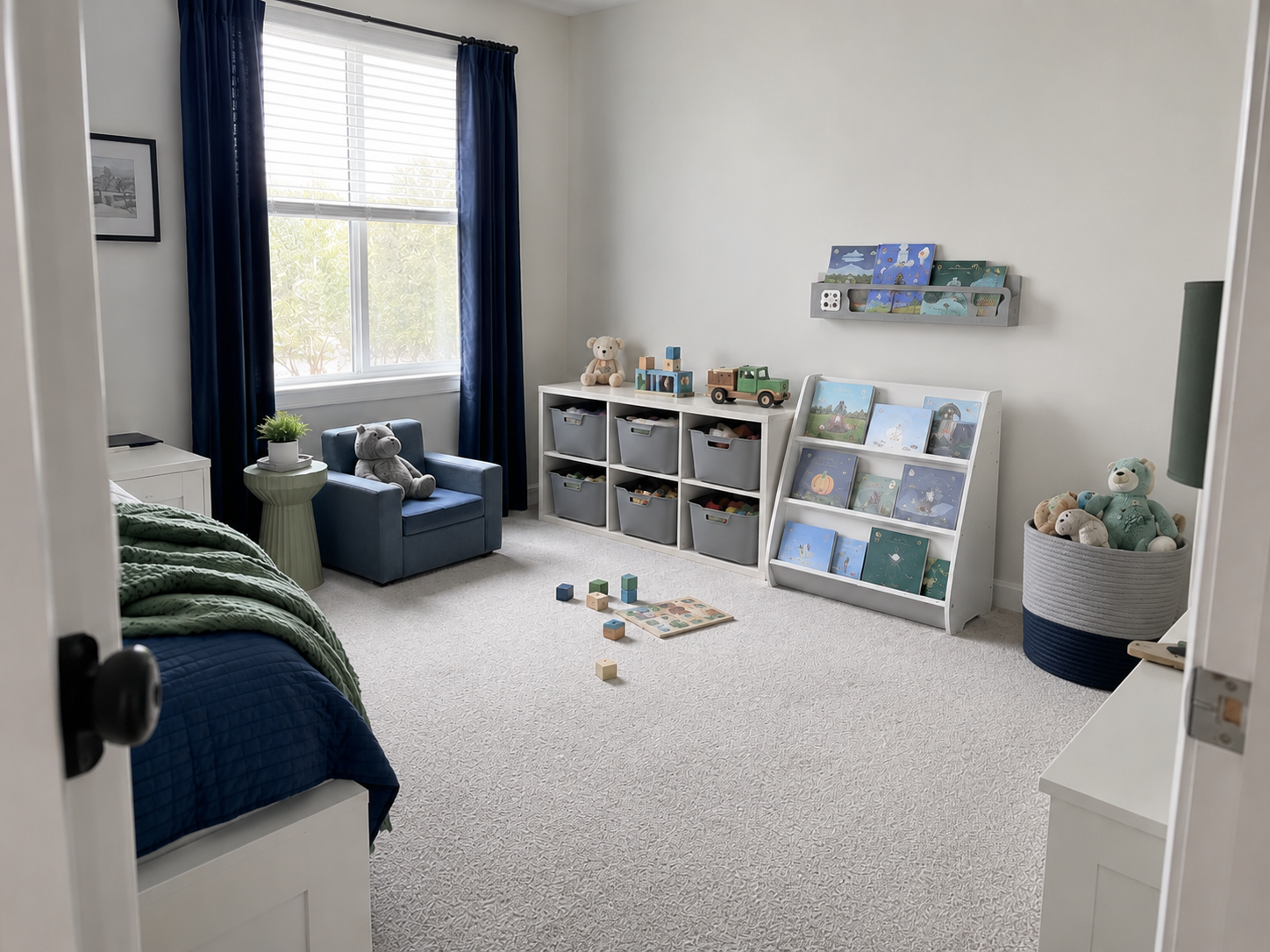
Keep everyday toys low, visible and close enough that putting them back feels easier than leaving them out.
LOW · OPEN · REACHABLE
See daily-reach storage →
Reach what returns daily. Hide what creates noise. Move what travels. Use height before floor.
The Four-Exit Rule
Store by behavior, not by container.
Decide what the category needs to do in the room before deciding what the organizer should look like.
USED DAILY
Reach it.
Keep everyday categories low, obvious and close to where they are used.
Explore Reach + Display solutions →Open / Closed Balance
How much of the room deserves to stay visible?
Decide what should remain easy to grab—and what would make the room feel calmer behind a boundary.
OPEN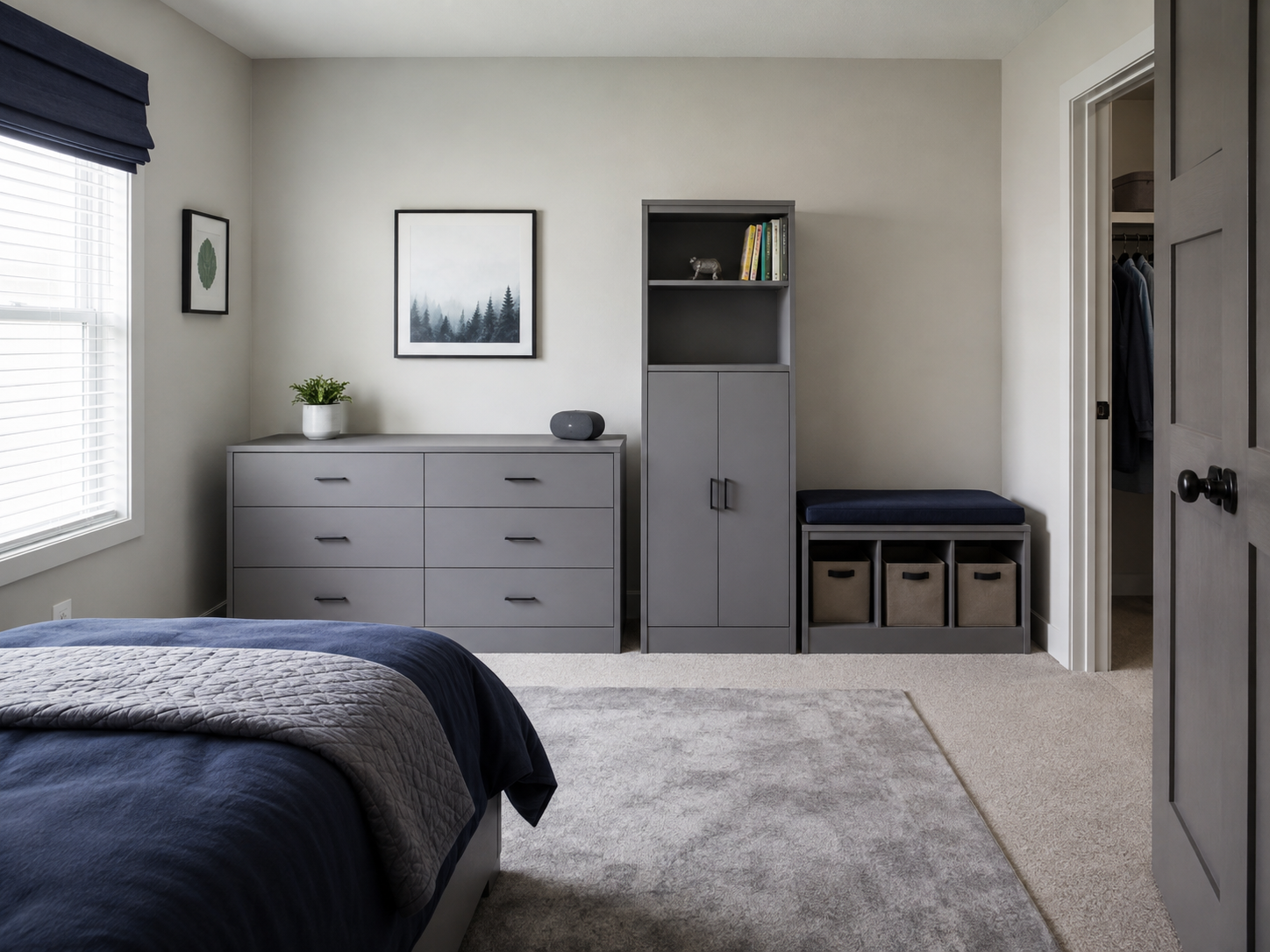 CLOSED
MORE OPENBALANCEDMORE CLOSED
BALANCED
Visible + quiet
Keep daily-use categories easy to return; give mixed visual clutter a quieter boundary.
See balanced storage options →Three Complete Directions
Which reset feels easiest to live with?
Start with the finished feeling. Then use the three pieces beneath each room as a compact way to execute it.
As an Amazon Associate, Ravnora Decor may earn from qualifying purchases. Product links may open on Amazon.
DAILY REACH
Everything has a short return.
Best when toys and books cycle through the room every day.
QUIET RESET
Fewer categories stay on show.
Best when cleanup happens but the room still feels visually busy.
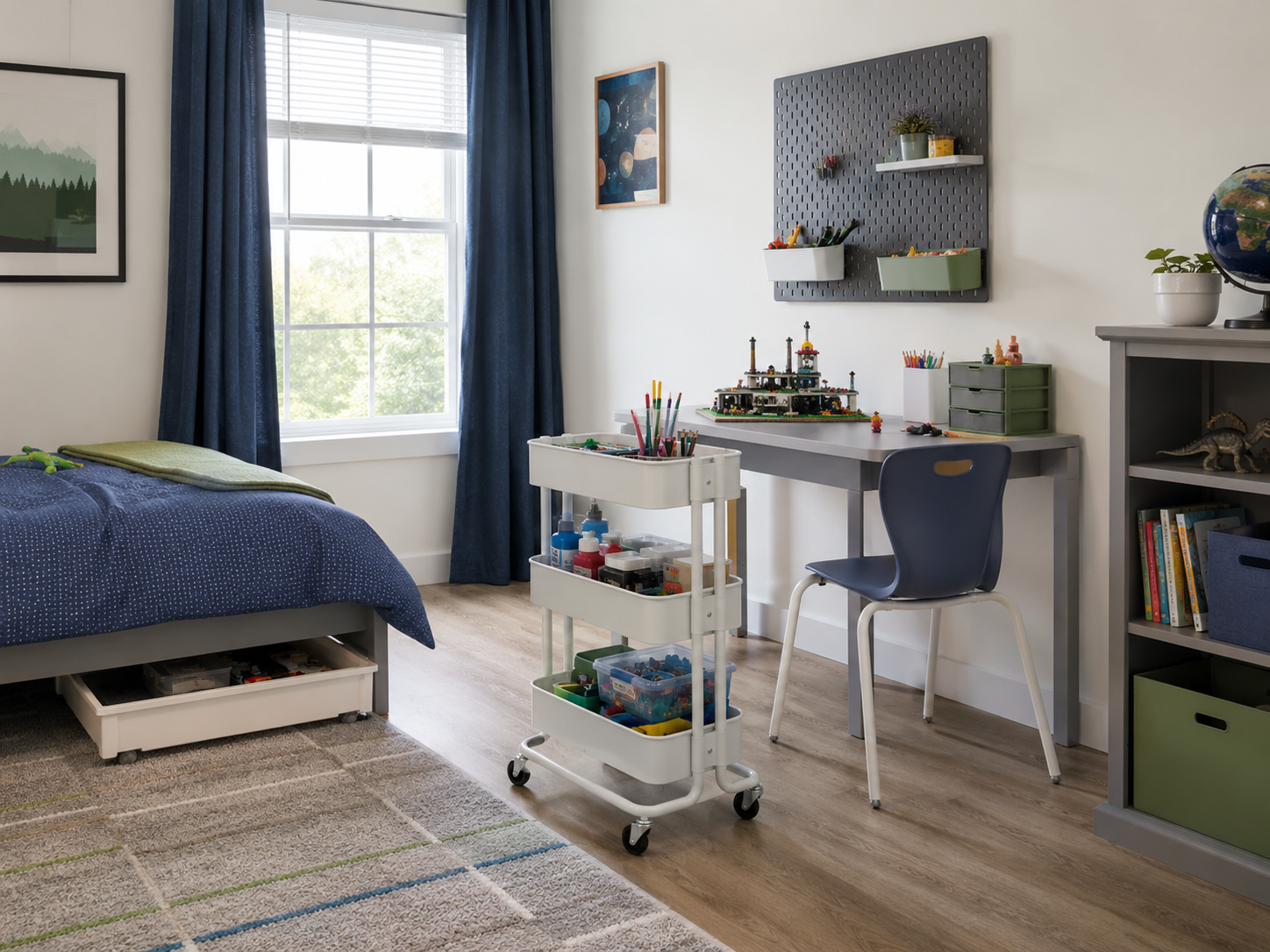
PROJECT PARKING
Activity appears only when needed.
Best for art, blocks and supplies that move between zones.
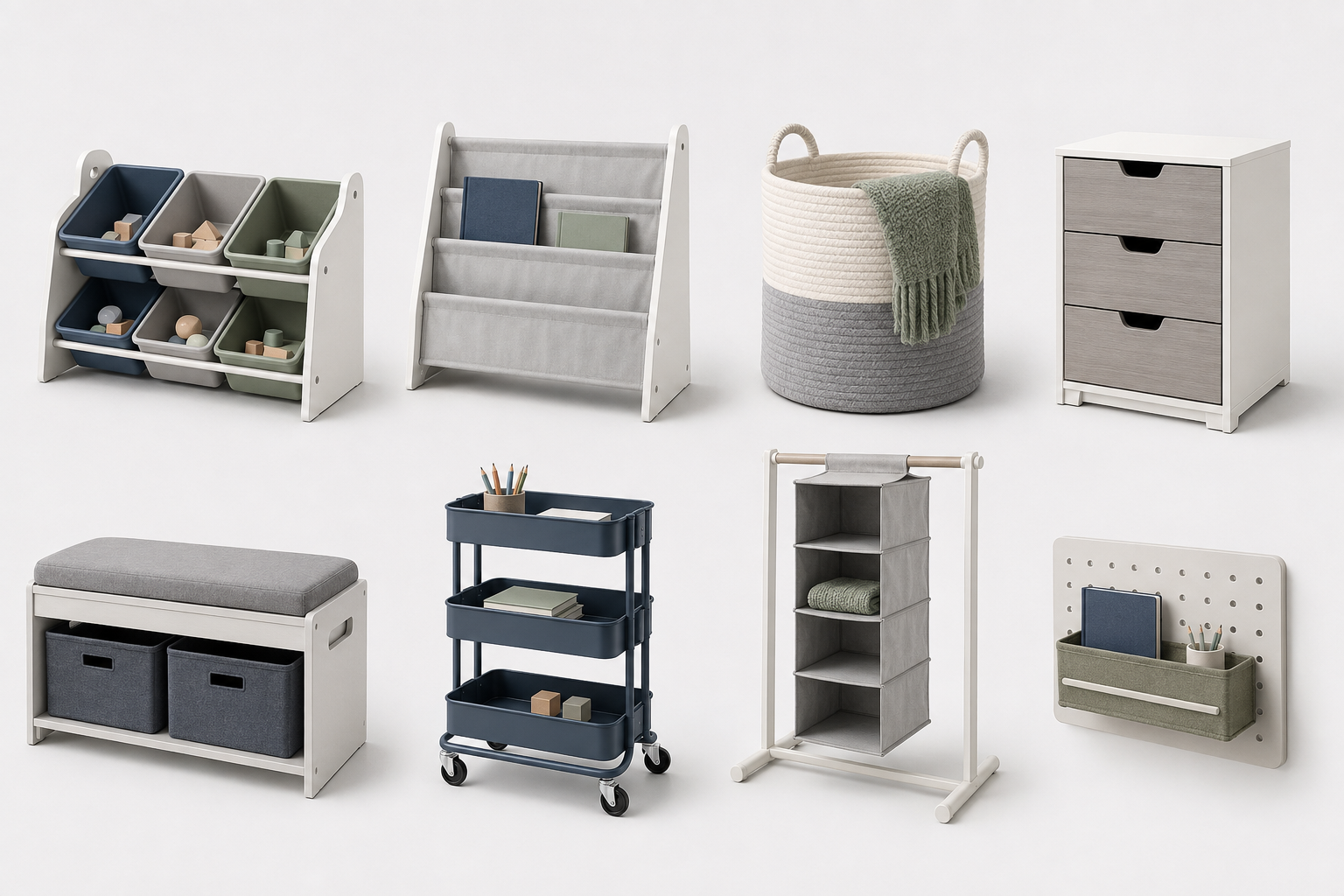
Eight Shapes · Four Jobs
Choose the storage shape first.
Tap the form that matches the room. We will open exactly that family in the full product library.
Mistake → Better Move
More storage is not always the fix.
01
DON'TPut every category on display.
Keep fast-return categories visible. Give mixed visual clutter a boundary.
02
DON'TAdd floor furniture before using height.
Inspect closet, wall and door space before giving up another piece of floor.
03
DON'TBuy mobile storage with nowhere to park.
Choose the cart and its return location at the same time.
The Ravnora Edit
Eight useful pieces for four storage moves.
Filter by the problem you are solving. Product type stays primary; brand stays secondary.
01REACH
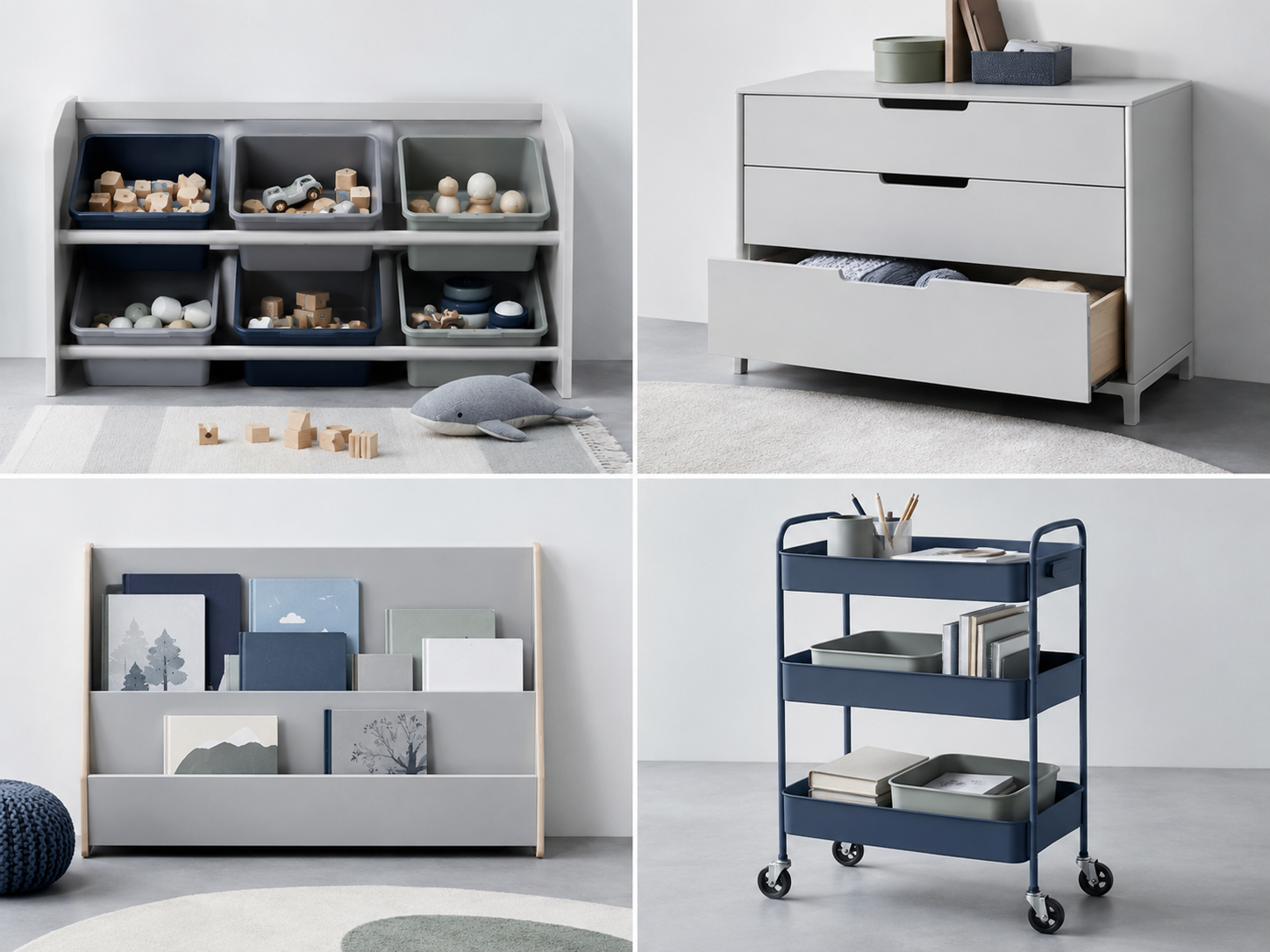
12-Bin Toy Organizer
Humble CrewBest forEveryday toys that need a fast, obvious return spot
CheckConfirm overall footprint and bin dimensions
View on Amazon ↗02DISPLAY
4-Tier Sling Kids Bookshelf
Best forFront-facing books that should stay visible and easy to browse
CheckCheck shelf height, depth and floor footprint
View on Amazon ↗03HIDE
Clear Stackable Lidded Storage Bins · 6 Pack
RolheitBest forProject pieces or small categories that benefit from contained visibility
CheckCheck bin size, stack height and lid clearance
View on Amazon ↗04HIDE
Wide 6-Drawer Fabric Dresser · Light Grey
WLIVEBest forA long wall where horizontal sorting is more useful than height
CheckCheck full width and preserve walking clearance
View on Amazon ↗05HIDE
Folding Storage Ottoman Bench · Natural Gray
DUMOSBest forClosed storage when visual calm matters more than instant visibility
CheckAllow enough space to open the lid comfortably
View on Amazon ↗06MOVE
3-Tier Rolling Project Cart · White
YASONICBest forArt and project supplies that move between storage and activity zones
CheckKeep a clear parking spot and travel path
View on Amazon ↗07HEIGHT
White Pegboard Combination Kit
KeepoBest forFlexible project storage that can change as supplies change
CheckConfirm wall compatibility and included mounting hardware
View on Amazon ↗08HEIGHT
6-Shelf Hanging Closet Organizer
GRANNY SAYSBest forTurning hanging-rail space into smaller vertical categories
CheckCheck rail height, organizer length and hanging clearance
View on Amazon ↗A good room does not look like it has more storage. It simply looks easier to live in.
Complete Product Library
Open only the storage family you need.
Thirty products, eight clear families. Open only the category that matches the storage problem you are solving.
Toy OrganizersBest when toys need the shortest possible return path.
5+
Book StorageBest when visibility helps books get chosen—and returned.
4+
Bins + BasketsBest for flexible containment when categories change often.
4+
DrawersBest when mixed visual clutter needs a clear boundary.
4+
BenchesBest when storage should share a footprint with another room function.
3+
Rolling StorageBest when supplies move during use but still need one parking place.
3+
Closet StorageBest when the room has vertical capacity before it has more floor.
3+
Wall StorageBest when floor space is tight and wall capacity can do more.
4+
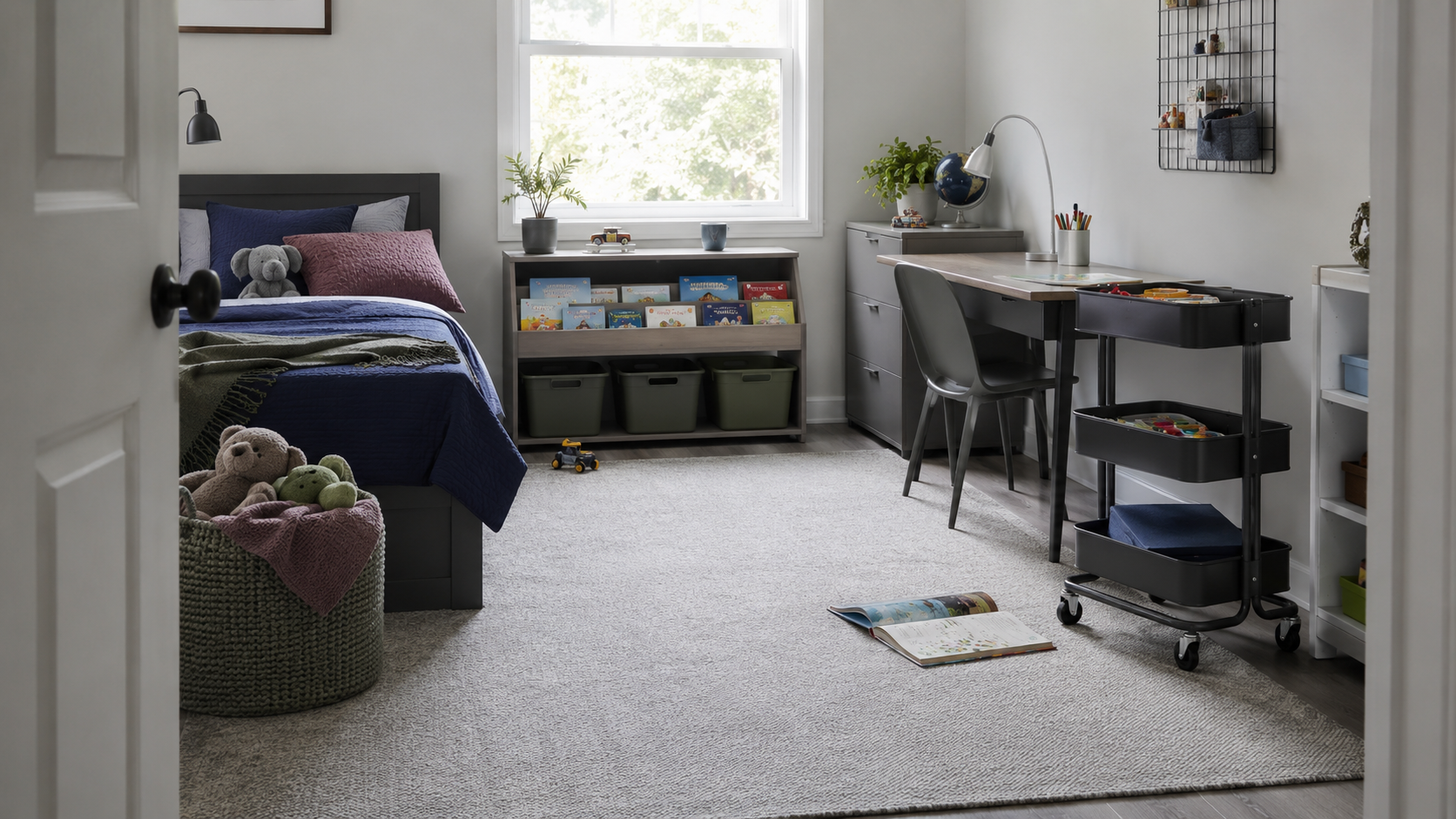
The Final Room Test
Could this room reset itself without instructions?
If the answer is nearly yes, the storage system is doing its job.
Does the piece fit without stealing the path around it?
Find the missing storage shape →